
Last updated November 16, 2026
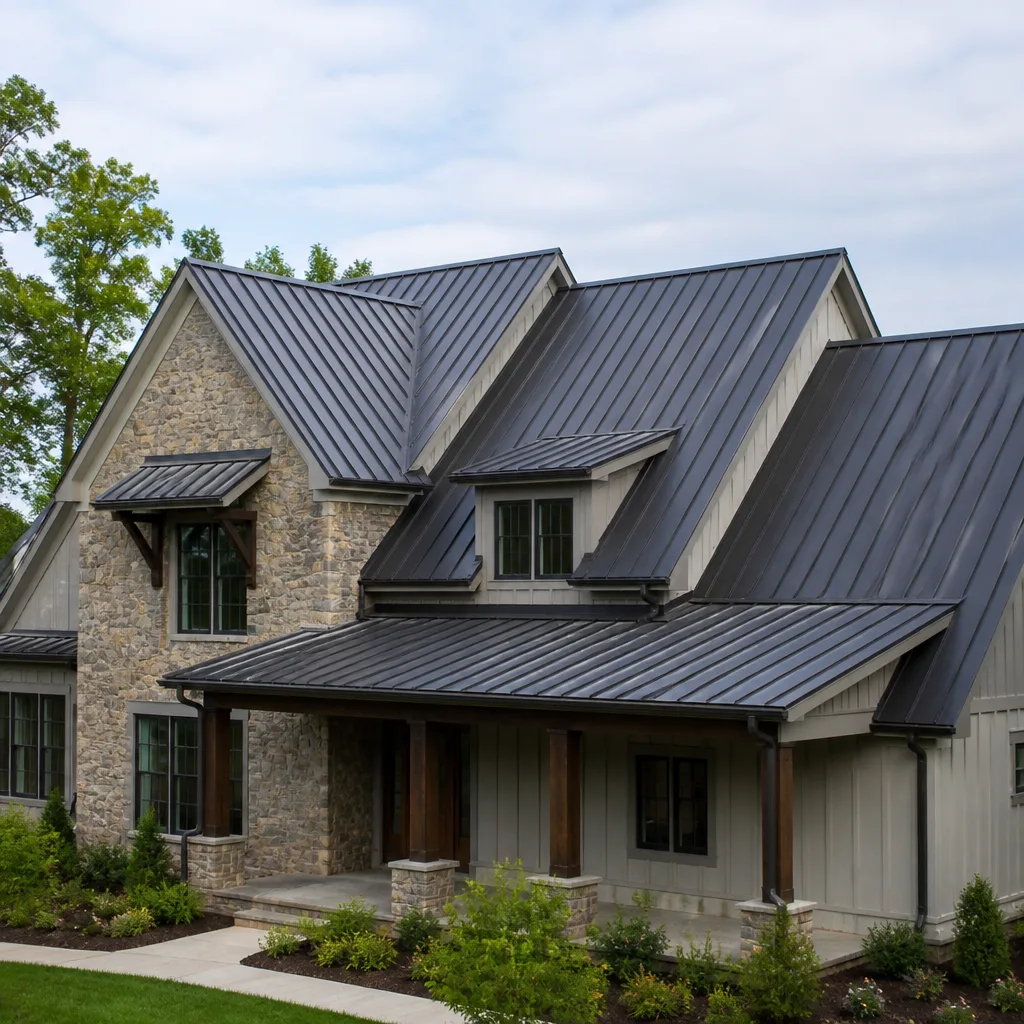 Metal roofing
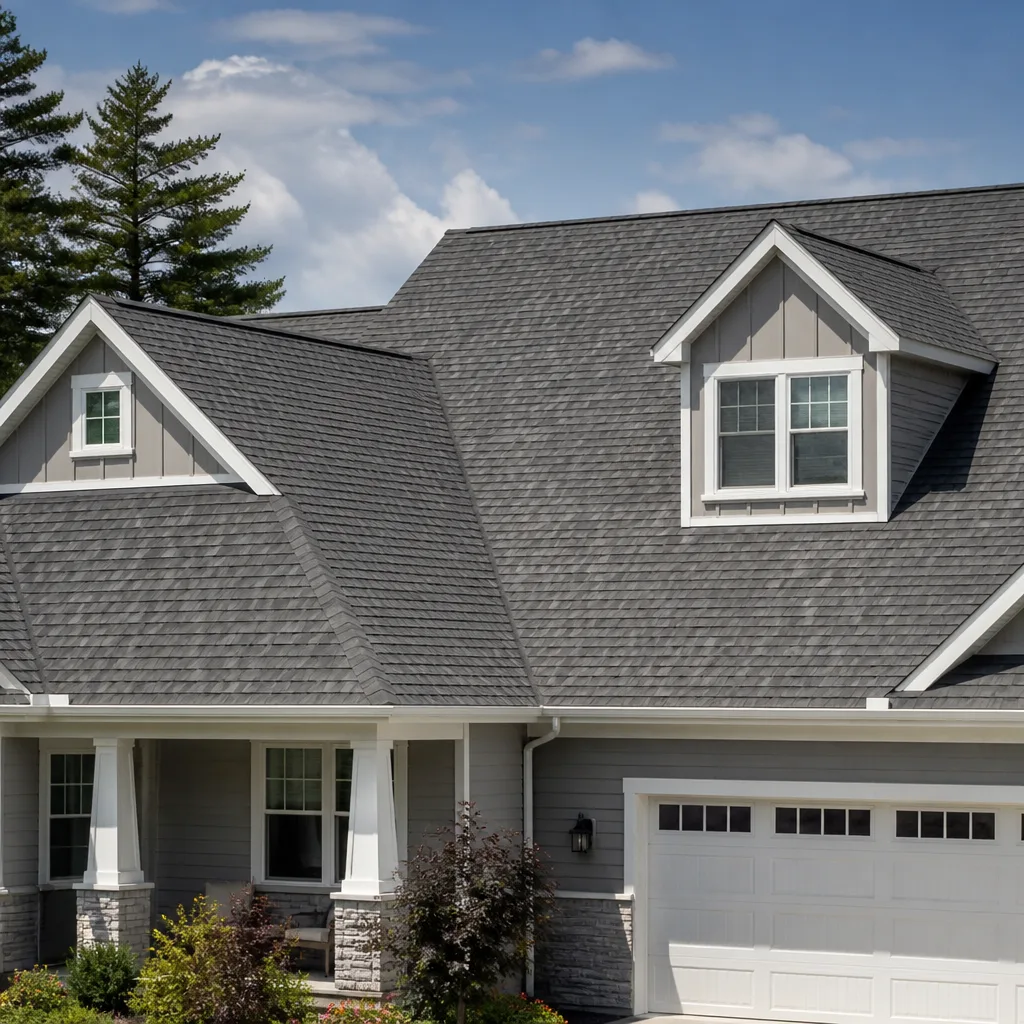 Architectural shingles
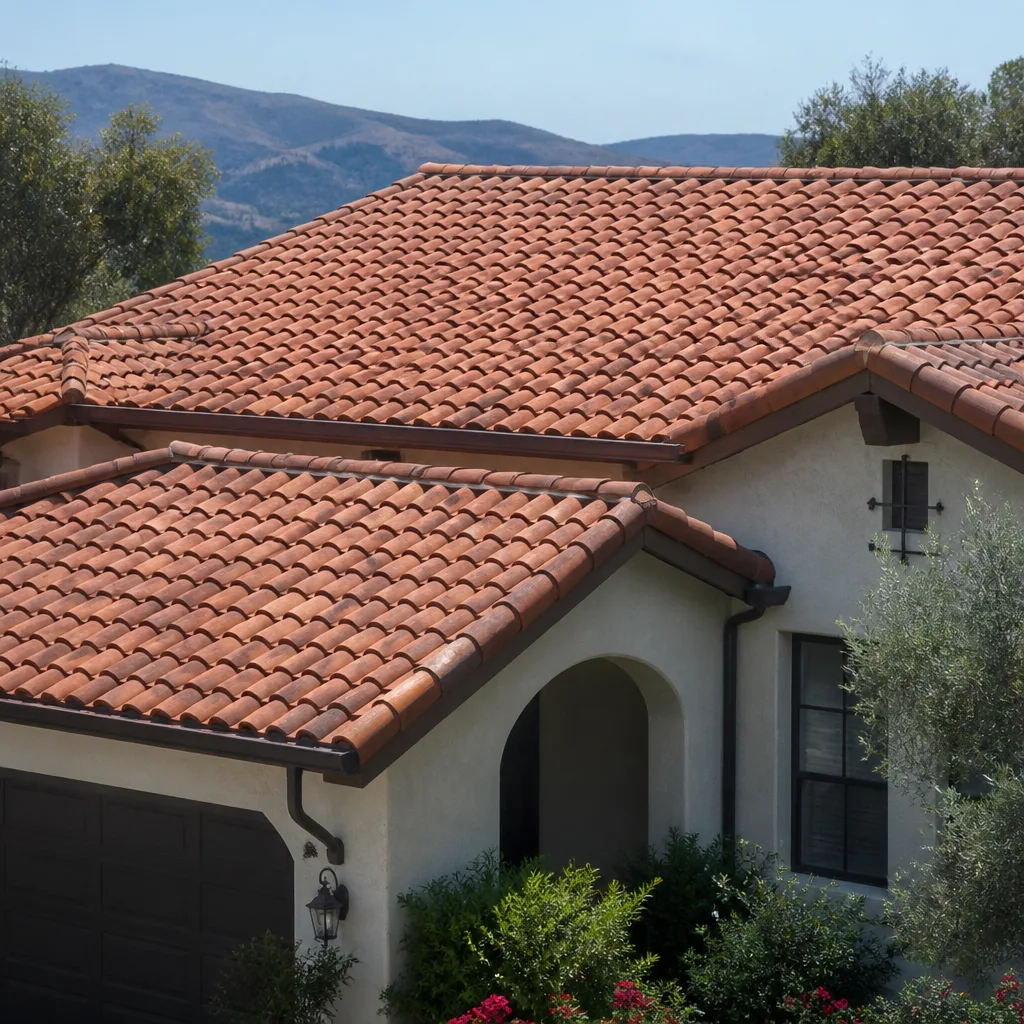 Tile roofing
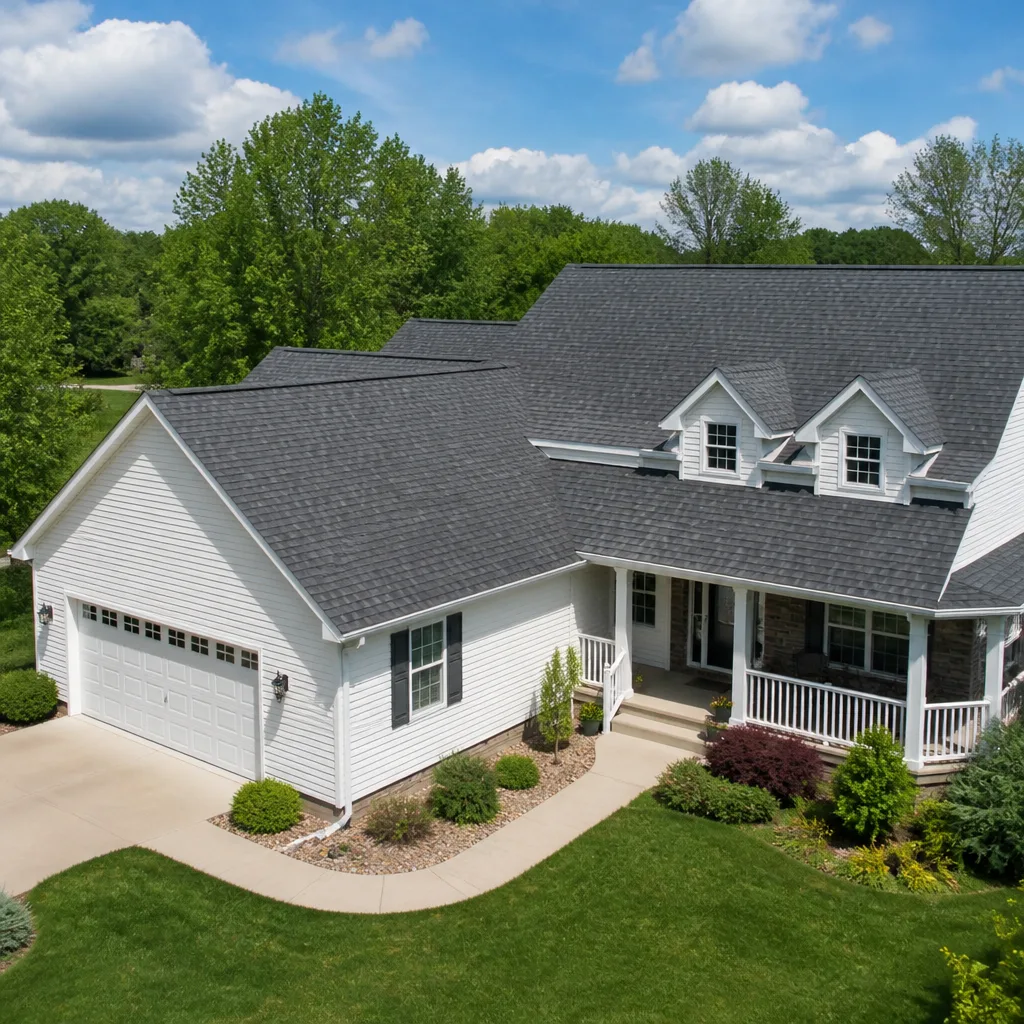 GAF
 Owens Corning
 Flat & low-slope
Free roof inspection with deck photos before we talk money - GAF and Owens Corning certified installation
Choosing the Right Roofing Brand: A Buyer’s Guide for Henderson
The shingle brand printed on your receipt matters less than three things most homeowners never see on a brochure: the wind rating, the UV resistance class, and the algae warranty language. And here’s the uncomfortable part – several of the most heavily marketed shingle lines sold in Nevada earn their warranties with conditions that Henderson’s desert climate routinely triggers. That doesn’t make them bad shingles. It means the fine print has to be read against the place where the roof actually lives. This guide walks through what to look for in a shingle brand in Henderson, which specifications actually matter here, how warranties really behave in the desert, and how to make a material decision before you’re sitting across from a contractor with a supplier deal.
Quick Answer
For a Henderson roof, the right shingle brand is the one whose specific product line carries a Class 4 impact rating, a wind rating of 130mph or higher, and an algae-resistant warranty that isn’t voided by UV exposure. Brand name is secondary to those specs, and the installation credential of the contractor matters as much as the shingle label. Match a product line you can actually source and repair locally, then get the specs in writing before you sign anything.
Styles & brands we work with
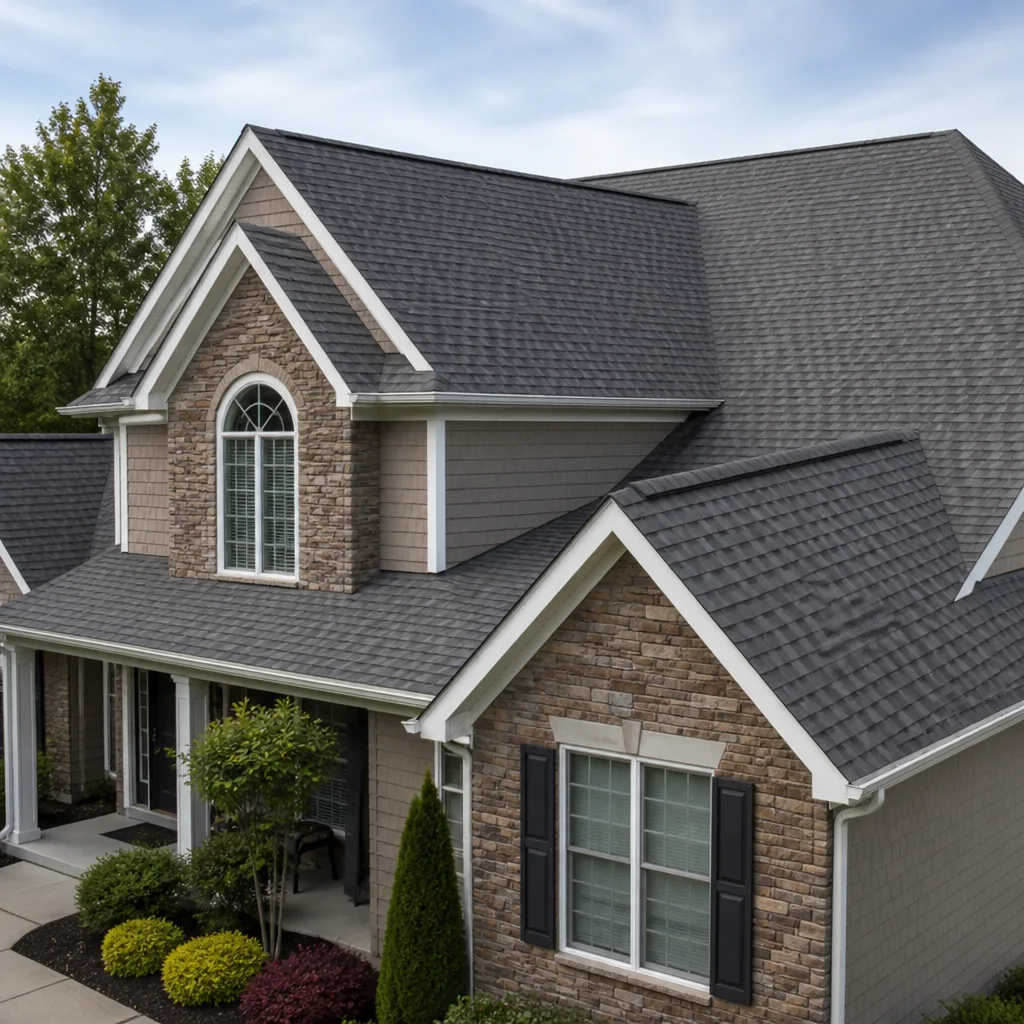
- Architectural shingles
- Metal roofing
- Tile roofing
- GAF
- Owens Corning
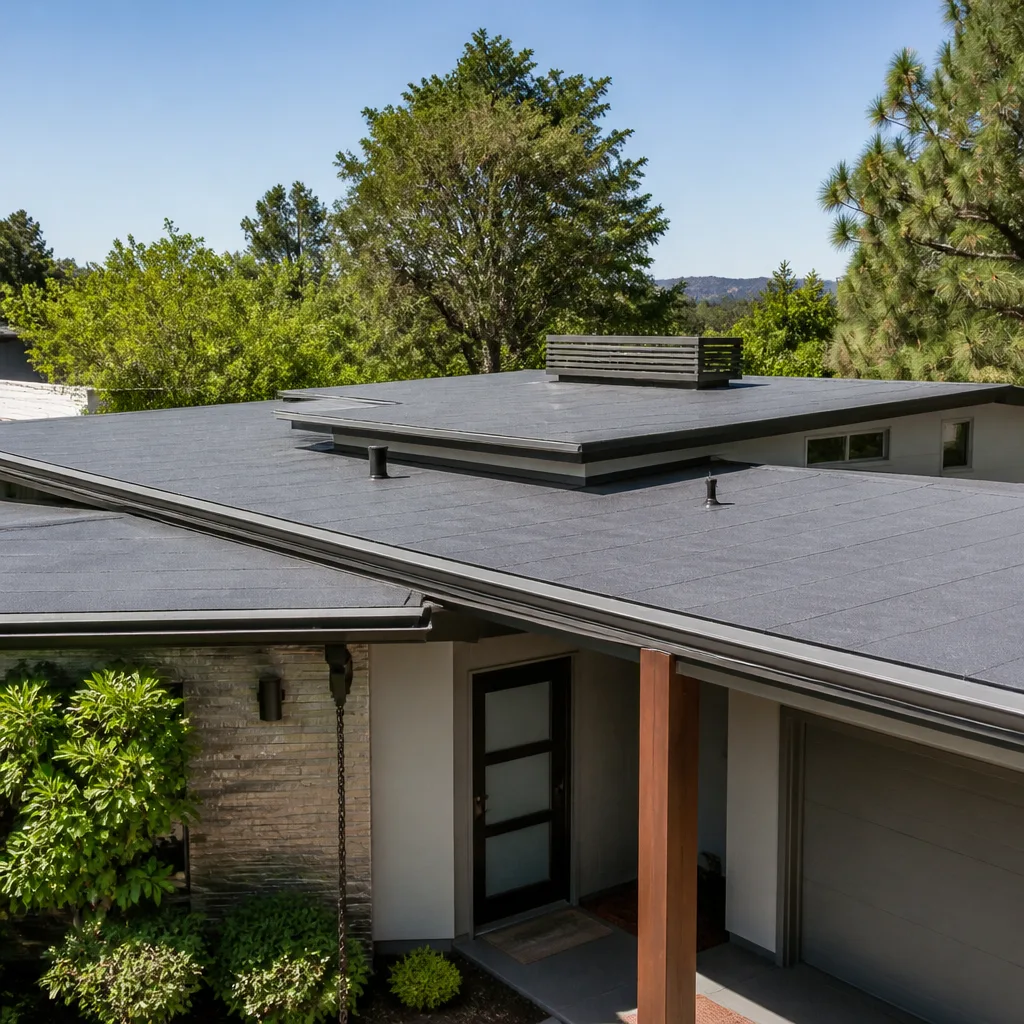
- Flat & low-slope
Table of Contents
- Which shingle specifications actually matter in Henderson?
- How do the major shingle brands perform in desert heat?
- What do roofing warranties really cover in a desert climate?
- Why the brand-contractor pairing changes your warranty
- Using Title 24 and Energy Star to narrow your choices
- Can a new shingle brand match an existing roof?
- Common mistakes to avoid
- When to call a professional
Which shingle specifications actually matter in Henderson?
Three specs do most of the work on a Henderson roof: impact resistance class, wind rating, and solar reflectance. Everything else – the color name, the shadow line, the architectural profile – is aesthetics, and that’s fine, but it shouldn’t be the deciding factor. When you’re comparing brand options, the product data sheet is the document that matters, not the display board at a supply house.
Class 4 impact resistance. The UL 2218 standard rates shingles from Class 1 to Class 4 for resistance to impact, with Class 4 being the toughest category tested. In a valley where monsoon storms can throw wind-driven debris, a Class 4 rated shingle line has a real advantage over a standard shingle. Not every line within a brand carries the Class 4 rating, so check the specific product, not just the manufacturer name.
Wind rating of 130mph or higher. Standard three-tab shingles are rated far lower than the architectural shingles most Henderson homes now carry. Wind ratings are usually published for both the shingle alone and for the shingle with the manufacturer’s approved installation method (the starter strip, the nailing pattern, the underlayment). A 130mph rating on the package often depends on the installer following that method exactly, which is one more reason installation credential matters.
Solar reflectance (SRI). The Solar Reflectance Index measures how well a surface sheds heat. Cool-roof shingles carry a published SRI value, and that number affects how hot the attic gets and, in some cases, which utility efficiency programs the roof qualifies for. Owens Corning and CertainTeed both publish SRI data on their cool-roof lines. If a shingle has no published SRI, ask why – and if the answer is “we don’t have that data,” that’s your answer about how the brand treats the desert market.
Beyond those three, the practical questions are: is the product line still in production (so it can be repaired later), does it come in a color that meets any HOA rules in your part of Henderson, and can your roofer source the material without a six-week wait. Those three unglamorous questions decide more real-world outcomes than the color of the wrapper.
How do the major shingle brands perform in desert heat?
Every major brand makes a product that can perform well on a Henderson roof, and every one of them also makes a budget line that probably shouldn’t be on a south-facing slope here. The brand is a starting filter, not the final answer. What differentiates them in this climate comes down to how their top lines handle ultraviolet exposure and thermal cycling.
Henderson roofs live with an unusually high UV load. The sun is strong most of the year, and roof surfaces can go from cool desert morning temperatures to very hot afternoon surface temperatures and back again every single day. That expansion and contraction, repeated thousands of times, is thermal cycling, and it’s what ages a shingle in the desert faster than in a mild climate. Shingles with a heavier asphalt coating and a higher-grade mat tend to hold up better through those cycles – and that’s true of the top lines from several brands, not one.
- Owens Corning publishes detailed product data across its architectural lines, including wind and impact ratings, which makes it one of the easier brands to evaluate on paper. Its top lines are commonly chosen for Henderson homes that need a certified Class 4 product.
- CertainTeed publishes solar reflectance data on its cool-roof lines and has a broad architectural shingle portfolio, giving more color and profile choices for a desert climate.
- Atlas markets its premium architectural lines specifically around impact and wind performance, so the specs are usually visible on the data sheet.
- IKO offers solid architectural lines with published wind ratings and tends to be available in more colors, which helps with matching an existing roof.
- GAF, Tamko, and Boral round out the mainstream market, each with strong lines in the same architectural segment.
We’ve seen strong roofs and failed roofs under several of these labels, because the label is only one input. The brand that “fails” in a Henderson neighborhood often turns out to be a lower-tier line installed on a badly prepped deck with no underlayment upgrade. The brand that lasts is usually a mid-to-premium line with the correct installation method behind it. That’s why we work with seven brands rather than one – the recommendation follows the roof, not the supplier deal. If you want to see how that plays out for a repair decision, our page on roof repair lays out the process.
What do roofing warranties really cover in a desert climate?
Most roofing warranties cover manufacturing defects and, on upgraded lines, wind and algae. What they typically exclude – or cover only under conditions – is damage the manufacturer attributes to normal aging or environmental exposure. In a desert, those exclusions matter more than anywhere, because UV degradation and thermal cracking are the two failure modes a Henderson roof is most likely to face.
Read the fine print for these terms before you buy:
- UV degradation and “normal weathering.” Many warranties exclude damage from UV or describe aging as “normal weathering,” which can eliminate coverage on a roof that has simply been baked for years.
- Thermal cracking. Cracks caused by daily expansion and contraction may be treated as normal aging rather than a defect. On a roof in a hot climate, that’s a substantial exclusion.
- Algae resistance. The algae warranty is usually tied to the shingle’s copper granules. Ask how long the algae coverage runs and whether it’s prorated or a full replacement term.
- Wind speed exclusions. A wind warranty covering up to a certain speed is worth having, but the actual rating depends on the installer following the manufacturer’s nailing and starter-strip method.
- Product line differences. The same brand may offer a limited warranty on its entry line and a stronger term on its premium line. The brand name alone doesn’t tell you which applies to the product on your roof.
- Credentialed installer language. Many upgraded manufacturer warranties require the installing contractor to hold a valid credential with that manufacturer. If the installer doesn’t, the top-tier warranty may be unavailable.
The practical takeaway: get the specific warranty document for the specific product you’re being quoted, read the exclusions section, and ask the contractor which manufacturer credentials they hold. A warranty is a contract with the manufacturer, not the contractor, so the language in that document is what actually protects you. Our guide to roof replacement covers how that fits into the replacement decision.
Why the brand-contractor pairing changes your warranty
The shingle and the installer are a single system. Most manufacturers tie their premium warranties to a credentialed installation – a term that usually means the contractor has completed the manufacturer’s training and remains in good standing. That credential isn’t universal among Henderson roofing contractors. When it’s absent, the top-tier warranty on a GAF, CertainTeed, or Owens Corning product may not be available, even if the same shingle is on the roof.
This is the part most homeowners miss. They compare shingle brand against shingle brand without realizing the warranty they’re likely to lean on years later depends on whose hands installed it. A premium CertainTeed or Owens Corning line with an unrestricted warranty is a different product, in practical terms, than the exact same shingle installed without the credential that triggers the extended coverage.
Three questions to ask any roofer before they touch your roof:
- Which manufacturer credentials do you hold, and can you provide the warranty documents that go with the product you’re quoting?
- Do you install to the manufacturer’s approved method for the wind rating the shingle claims?
- Which specific product line are you quoting – not just the brand, but the exact line?
There’s also the repair question. If your roof already has a CertainTeed or Owens Corning system on it and needs a repair rather than a full replacement, the best outcome is a roofer who can source a matching product from that manufacturer, preserving warranty continuity and an appealing look. Contractors who only work with one brand often can’t. We inspect before we recommend, and the inspection tells us whether a Delmar Roof Repair repair is the right step or whether the roof is telling you it’s time for a full replacement. That diagnosis, not a supplier relationship, should drive the answer. You can see how the diagnosis step works on our Henderson page.
Using Title 24 and Energy Star to narrow your choices
Nevada’s Title 24 energy code and the federal Energy Star program both push roofing products in the same direction – toward cool-roof performance. For a Henderson homeowner comparing brands, those standards are a shortcut: they eliminate product lines that don’t meet a baseline energy standard and point you toward the ones that do.
Title 24 doesn’t dictate a single brand, but it does set performance requirements that cool-roof shingles are designed to meet. Energy Star adds a national standard for solar reflectance and thermal emittance, and shingles that carry the certification are usually the ones whose data sheets show the numbers. When two shingle lines look similar on the display board, the one that meets the cool-roof standard is often the better investment on a Henderson roof.
Where this becomes practical is the utility rebate question. Some utility efficiency programs offer rebates on qualifying cool-roof upgrades, and that can offset a portion of the cost. The reliable way to know is to ask your utility for the current program terms and confirm the specific product line qualifies before you commit to it. Rebate programs change, and the product qualifies based on its certification, not on the contractor’s say-so. Owens Corning and CertainTeed both publish solar reflectance data on their cool-roof product lines, which makes it easier to check a candidate against the requirement before you buy.
The second reason Title 24 matters: if you’re replacing a roof as part of a larger permitted scope, the cool-roof requirement may be part of the permit. Most cities require a permit for a full replacement, so ask your city’s building department what applies at your address. A roofer who knows the requirement will pull it into the quote rather than discovering it later.
Can a new shingle brand match an existing roof?
Yes, in most cases, if your roofer is brand-flexible. The harder scenario is a roofer who only carries one manufacturer. Shingle colors and profile lines change over the years, so an exact match to a shingle installed a decade or two ago may not exist under any brand. What matters then is finding a product from a different manufacturer that’s close enough in color, thickness, and profile to look right from the street and at the roofline.
Here’s how a good repair-match process works:
- Identify the existing shingle. The inspection should name the product line and, where possible, the manufacturer, from the shingle itself rather than a guess.
- Check for the same line in current production. If the line is still sold, sourcing an exact match is straightforward and preserves the warranty continuity of the original roof.
- If the line is discontinued, source a cross-brand match. Product data sheets across brands let a roofer compare color charts, profile, and thickness to find the nearest fit.
- Consider a transition or a partial replacement. Some repairs look better with a shingle transition at a natural roofline break than with a visible mismatch.
- Ask about warranty effects. Matching within the existing brand is one way to keep the roof’s warranty intact; ask whether a cross-brand repair affects it.
This is where working across GAF, CertainTeed, Owens Corning, IKO, Atlas, Tamko, and Boral makes a real difference. A single-brand contractor can match a roof only if that roof happens to be their brand. A brand-flexible roofer can match almost any existing shingle system, which is why material breadth belongs on your list of questions when you’re interviewing contractors.
Common Mistakes to Avoid
- Buying the brand instead of the product line. Every major brand has both a strong architectural line and a budget line. The brand name alone tells you nothing about which one is being quoted. Ask for the exact product name and its spec sheet.
- Ignoring the warranty exclusions. UV degradation and thermal cracking are the two things that age a Henderson roof the fastest, and both are frequently excluded or covered only under conditions. Read the exclusions section before you commit.
- Assuming all contractors can install any brand. Some premium manufacturer warranties require a credentialed installer. If your roofer doesn’t hold that credential, the top-tier warranty may be off the table even if the shingle is on the roof.
- Skipping the inspection. A replacement quote given before anyone has been on the roof isn’t a diagnosis. A standalone inspection establishes what’s actually failing before a scope is set.
- Overlooking HOA and color rules. Some Henderson neighborhoods and HOAs restrict roof colors or profiles. Confirm the rule before you fall in love with a shingle color.
- Missing the cool-roof requirement. Title 24 and Energy Star standards may apply to your roof, and the qualifying line may not be the one you’d instinctively choose. Check before you buy.
- Letting a single-brand contractor control the choice. If your only options are whatever that contractor carries, the recommendation is driven by supply, not by your roof’s needs. Get at least one brand-flexible quote.
When to Call a Professional
Call a roofer when you see water staining on a ceiling or in the attic after a storm, when shingle granules are collecting in gutters at a noticeable rate, when you spot cracked or lifted shingles, or when your roof is old enough that you’re not sure whether a repair will hold. Also call when a contractor has quoted a full replacement without inspecting the roof first. Delmar Roof Repair offers free estimates in Henderson with a written line-item quote, and our technicians have up to 10 years of experience working with seven major shingle brands. We answer 24/7, with fast dispatch from 7am to 7pm, Sunday through Friday. Call (833) 519-6453 to schedule your free estimate.
See the difference
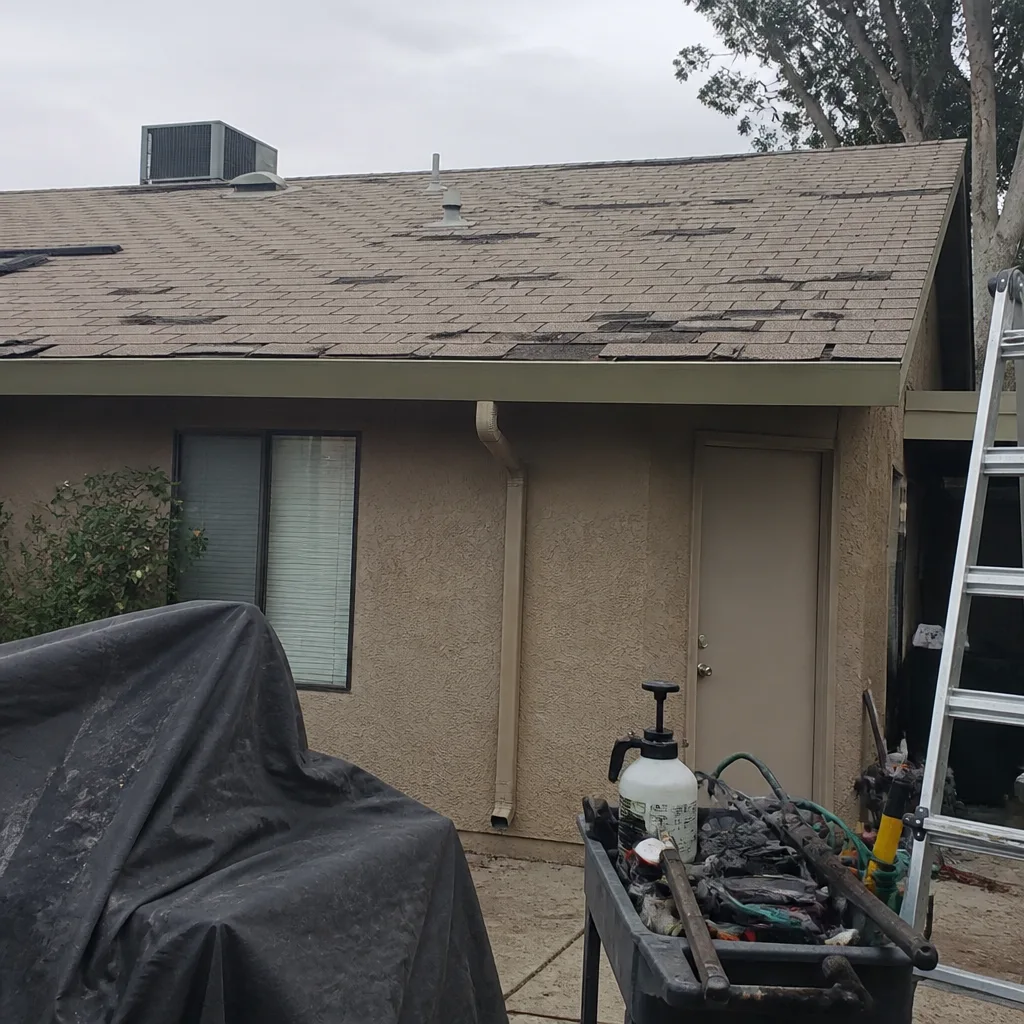 Before
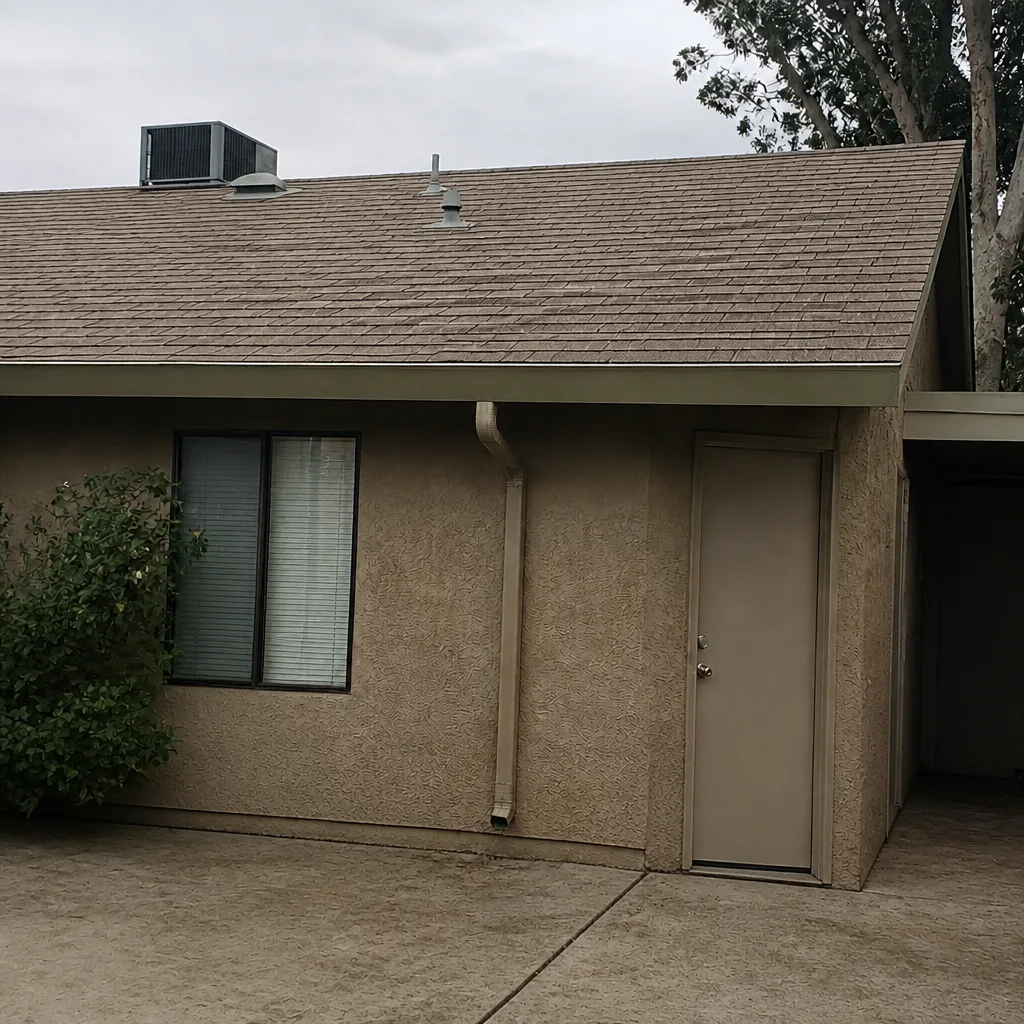 After
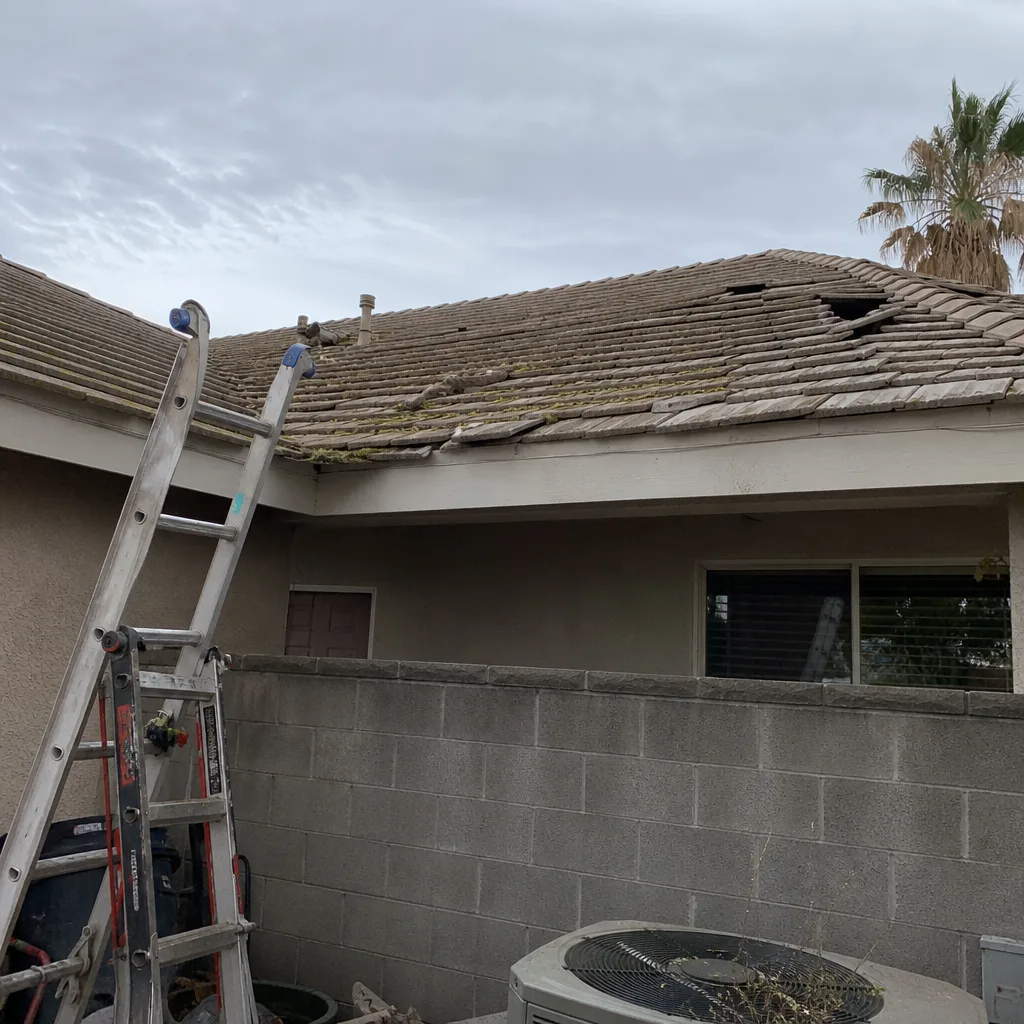 Before
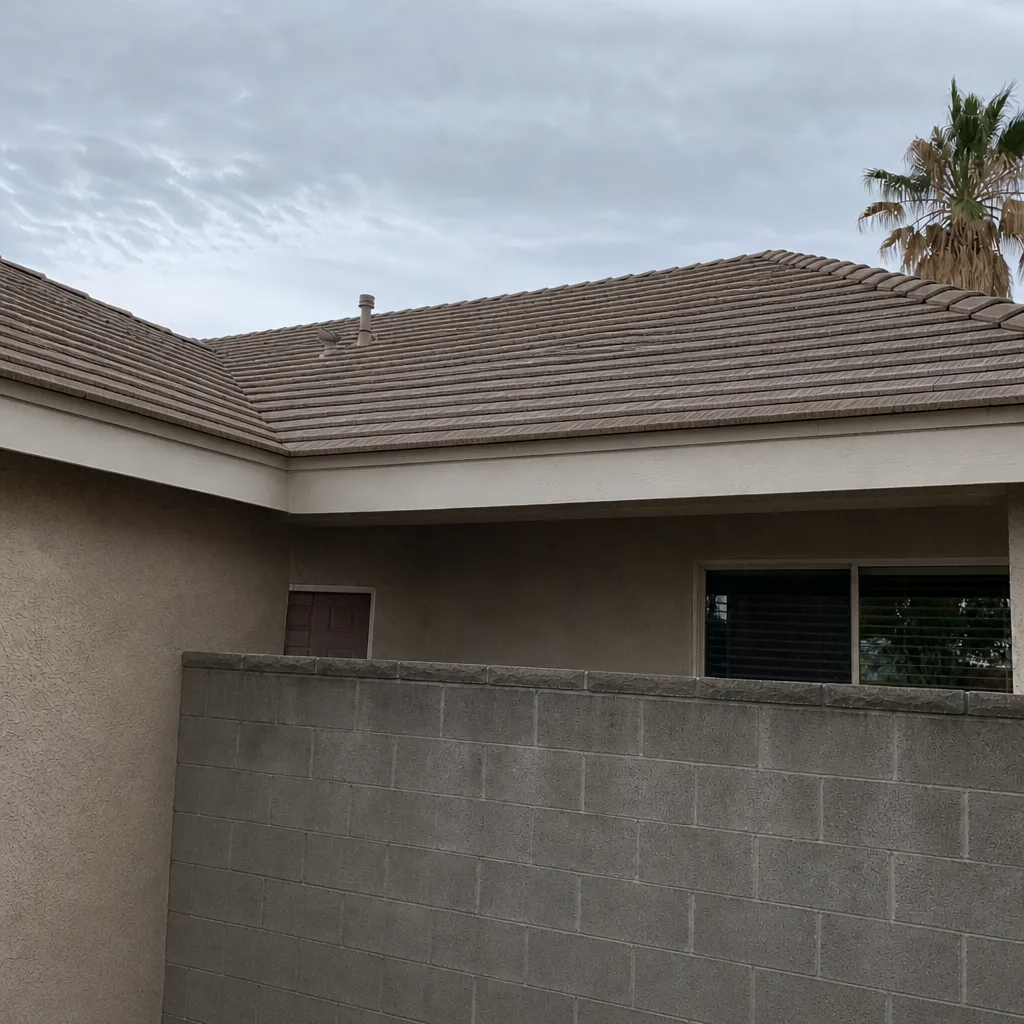 After
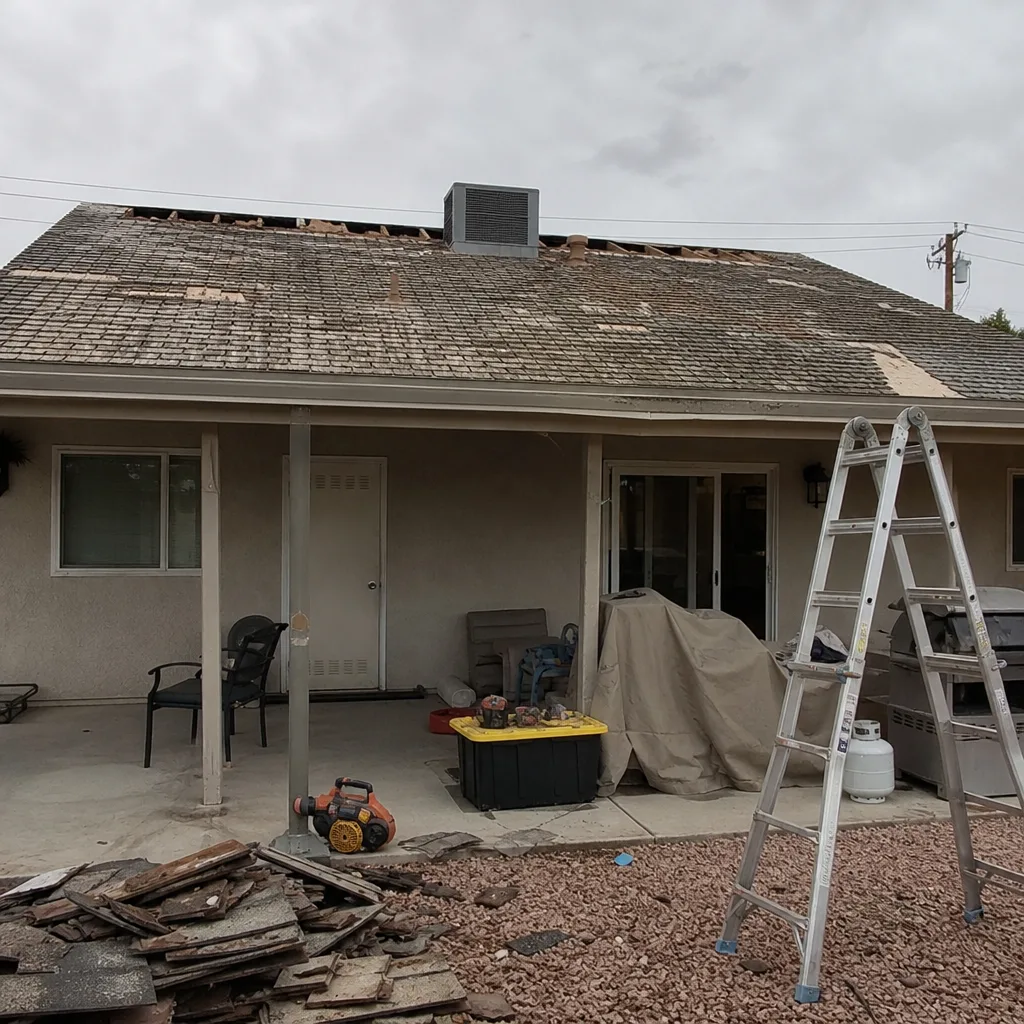 Before
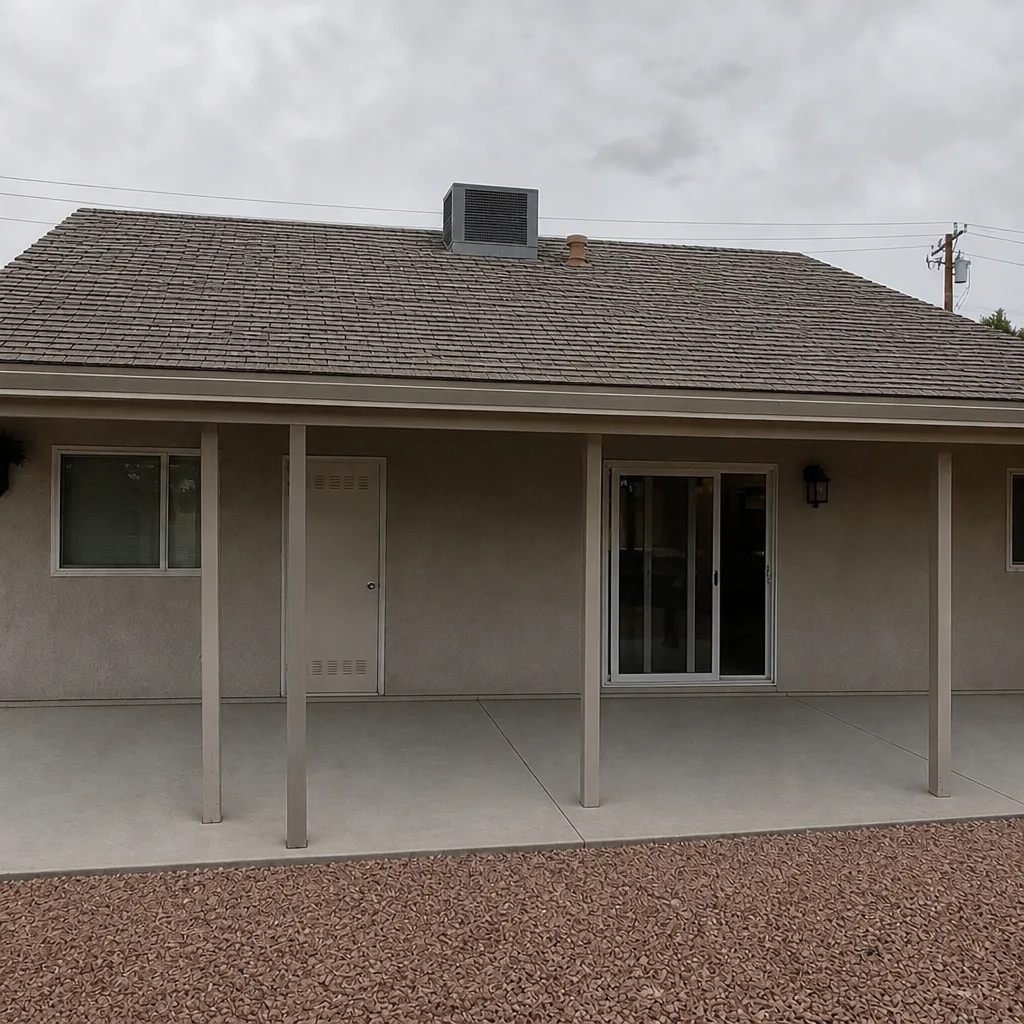 After
Frequently Asked Questions
No single brand is best for every Henderson roof. The better question is which product line carries a Class 4 impact rating, a 130mph or higher wind rating, and an algae warranty that isn’t undermined by UV exclusions. Owens Corning, CertainTeed, Atlas, IKO, GAF, Tamko, and Boral all make lines that can meet those standards. Match the line to your roof’s needs, not a brand to the contract. Call (833) 519-6453 for a free estimate that names the exact product line.
Usually not as a defect claim. Most warranties exclude UV degradation and thermal cracking, or cover them only under conditions, because manufacturers treat those as normal aging. The wind and algae portions of a warranty are more specific and more useful. Read the exclusions section of the actual warranty document for the product you’re quoted. Call (833) 519-6453 for a free estimate and we’ll pull the warranty documentation that goes with the product.
Both matter, and they’re linked. A premium line installed to the manufacturer’s approved method – including the nailing pattern and starter strip that back the wind rating – performs better and keeps the warranty intact. The installer’s manufacturer credential also affects which warranty tier you can get. Call (833) 519-6453 for a free estimate that covers the product and the installation method together.
Usually yes, and being able to match across brands is the main reason to work with a brand-flexible roofer rather than a single-brand contractor. Exact matches depend on whether your original line is still in production; when it isn’t, a close cross-brand match on color, profile, and thickness is usually the practical answer. Call (833) 519-6453 for a free estimate and we’ll identify what’s on your roof.
A cool-roof shingle is one with a published solar reflectance index (SRI) high enough to meet cool-roof standards such as Title 24 and Energy Star. In Henderson’s hot climate, that matters for attic heat and for utility efficiency programs. Owens Corning and CertainTeed publish SRI data on their qualifying lines. Call (833) 519-6453 for a free estimate and we’ll confirm which lines meet the standard at your address.
Start with an inspection, not a quote. If the damage is localized and the surrounding shingles are still sound, a repair is usually the right step. If the roof is aging across its full surface or has multiple failure points, replacement becomes the honest answer. A good roofer will tell you which, and why. Call (833) 519-6453 for a free estimate – we inspect before we recommend.
The Bottom Line
The right shingle brand for a Henderson roof is the product line that meets Class 4 impact, 130mph+ wind, and cool-roof solar reflectance standards, installed by a roofer credentialed with that manufacturer so the warranty holds. Brand alone doesn’t decide performance – the specific line, the installation method, and the warranty exclusions do. Work with a brand-flexible roofer across GAF, CertainTeed, Owens Corning, IKO, Atlas, Tamko, and Boral so the recommendation follows the roof, and inspect before you commit to any scope. That order protects your roof and your budget.
Call (833) 519-6453 for a free estimate. We answer 24/7, and fast dispatch runs from 7am to 7pm, Sunday through Friday.
Written by the team at Delmar Roof Repair.