
Last updated November 16, 2026
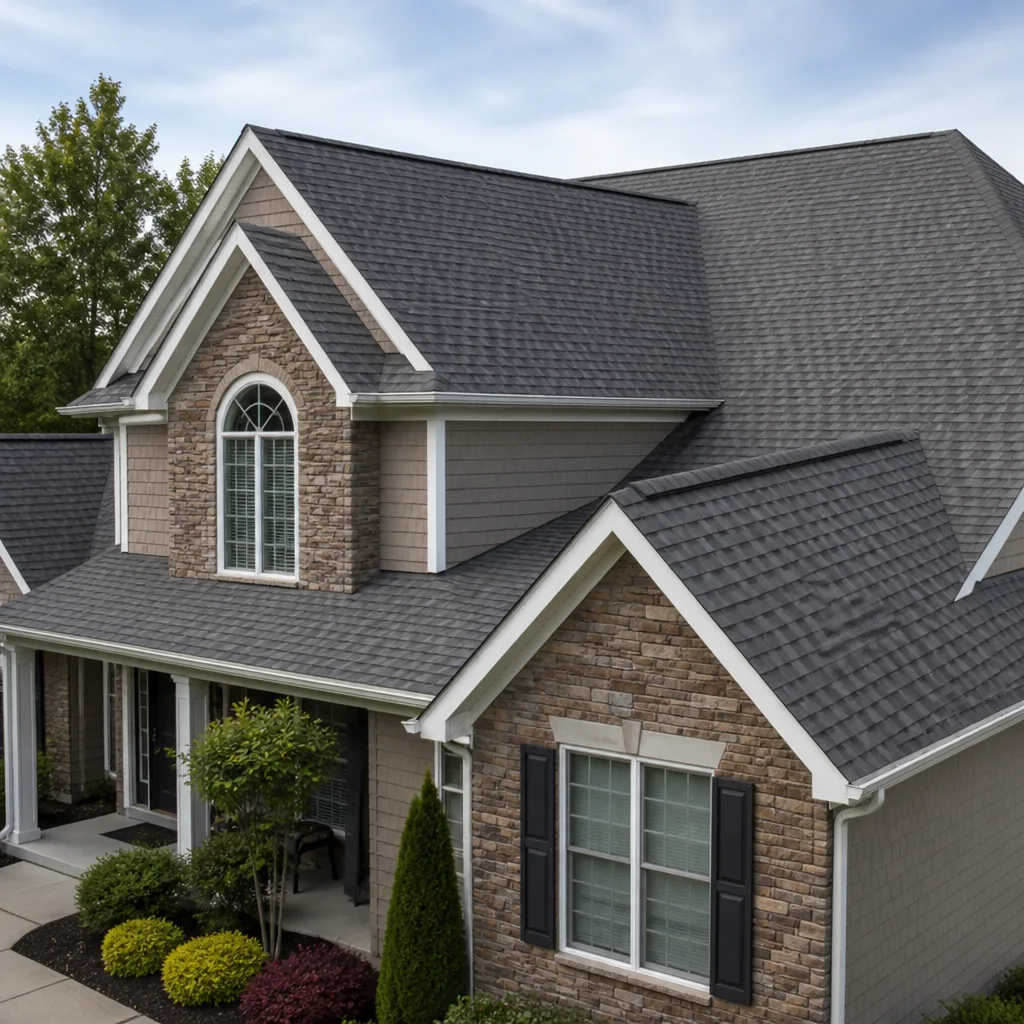
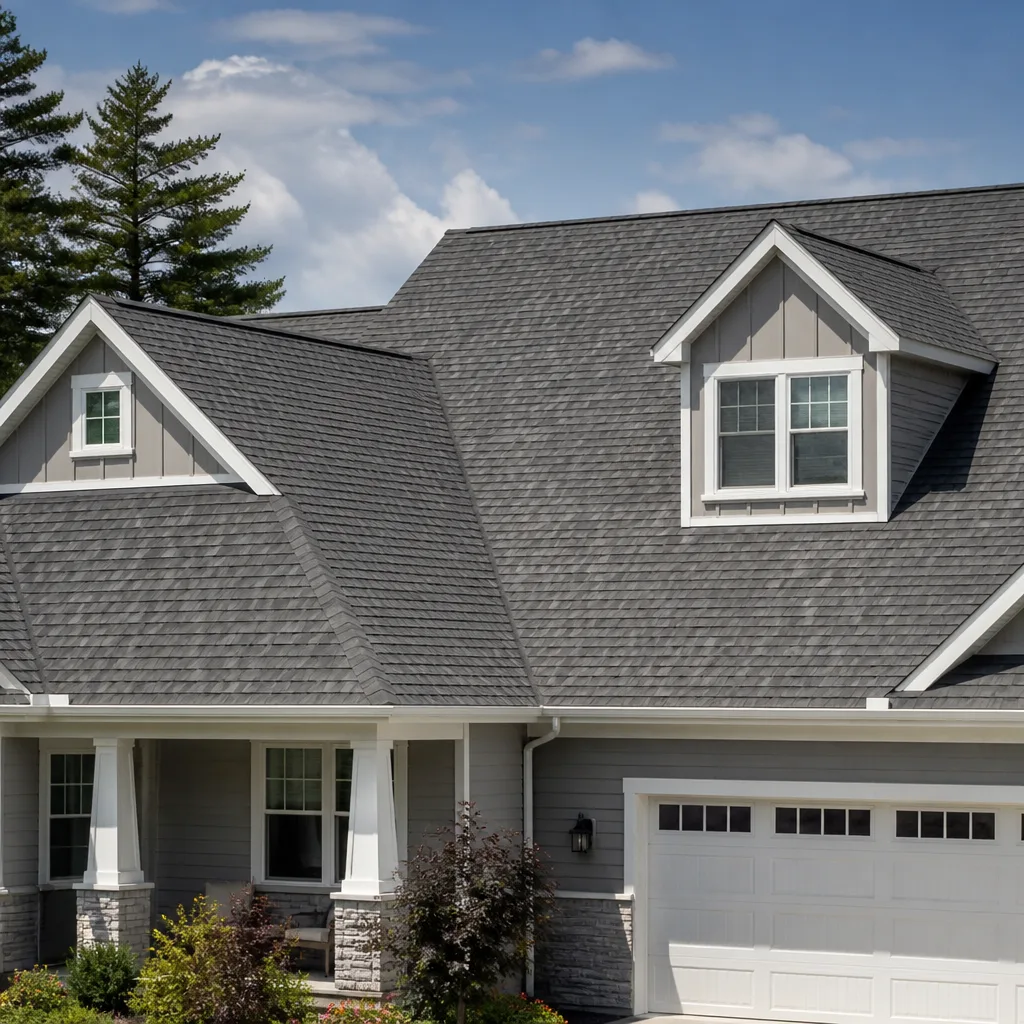 Architectural shingles
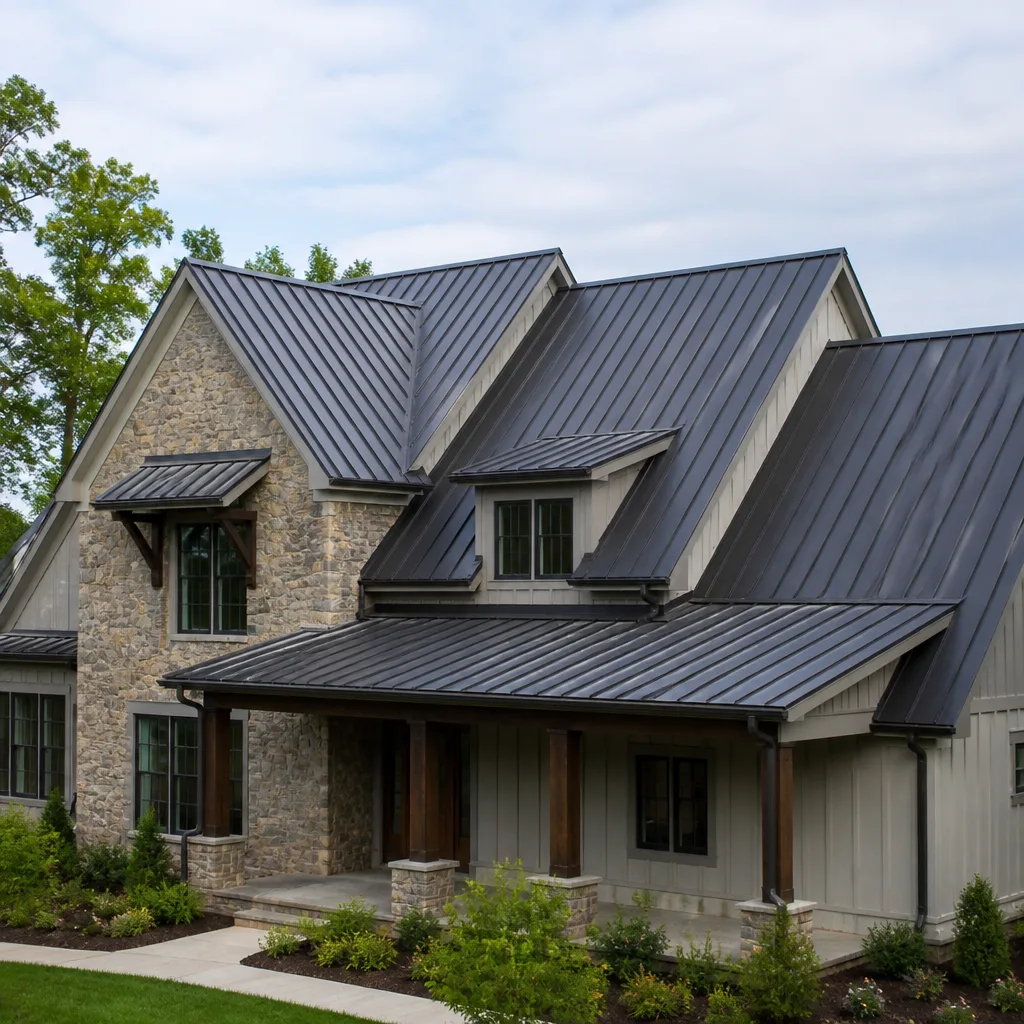 Metal roofing
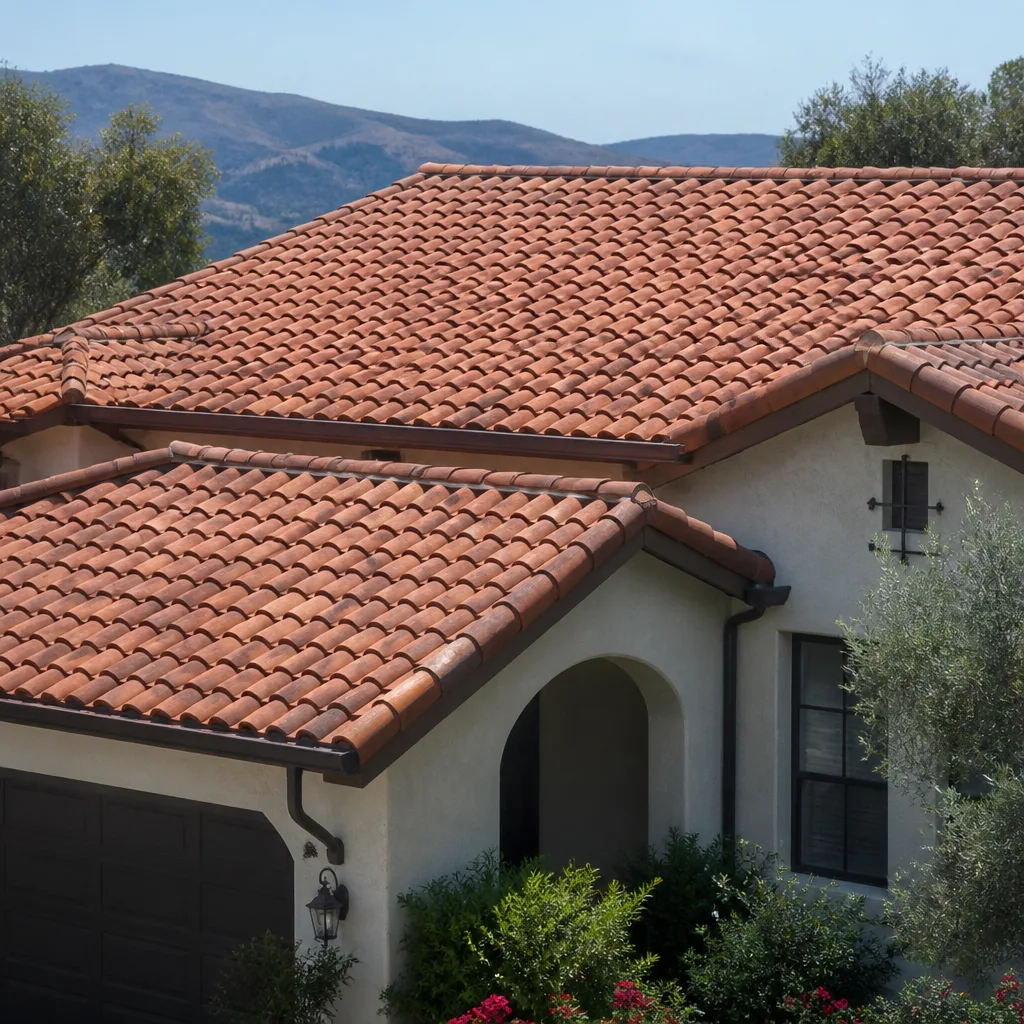 Tile roofing
 GAF
 Owens Corning
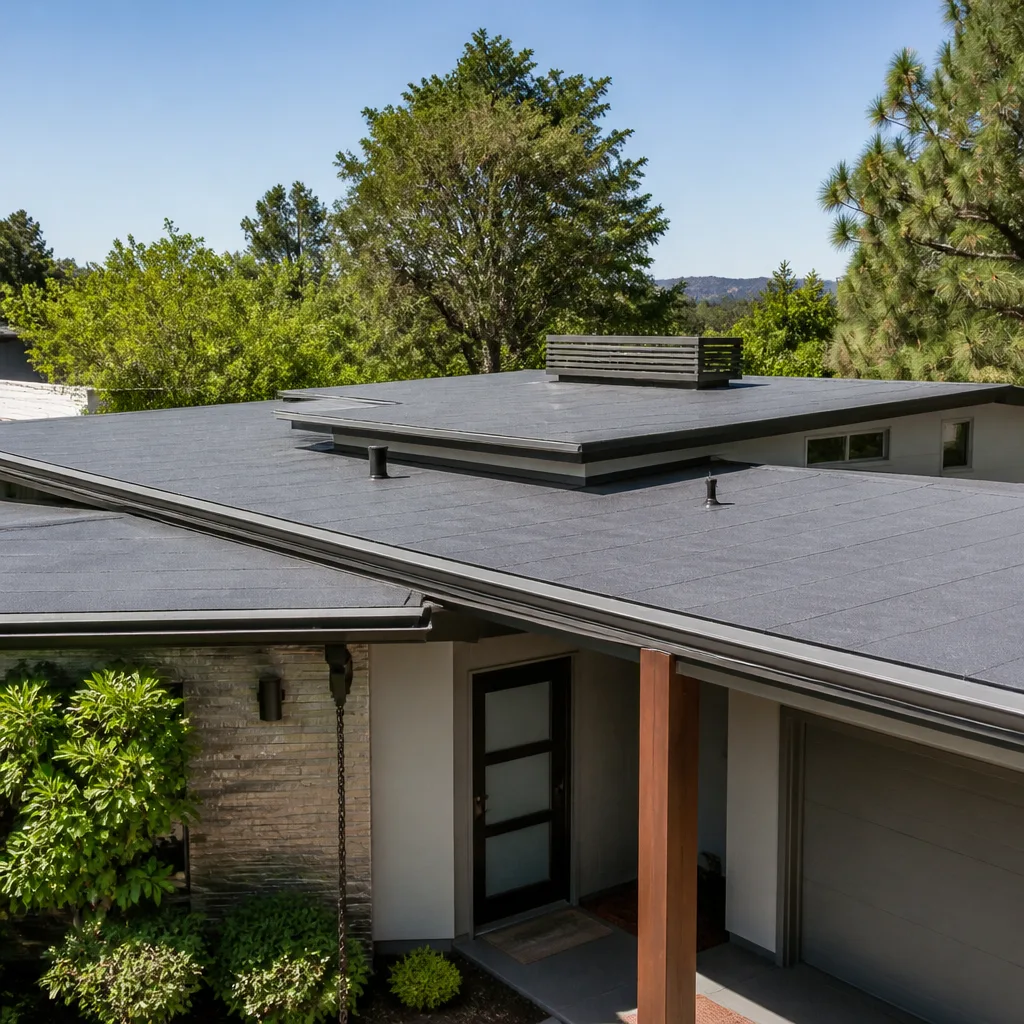 Flat & low-slope
Free roof inspection with deck photos before we talk money - GAF and Owens Corning certified installation
The Complete Roof Repair Guide for Henderson Homeowners
Henderson averages over 300 sunny days a year, which sounds like a roofer’s dream until you realize what that much UV radiation does to roofing adhesives. The sun breaks down the sealant strips and mat layers faster here than in almost any other climate, so a repair done without accounting for existing UV fatigue can fail within a single season. The national guides won’t tell you that, because they’re written for humid climates where the roof’s enemy is moisture sitting on decking. In Henderson, the roof’s enemy is the sun for nine months and violent monsoon rain for the other three. This guide explains how to diagnose a roof in that specific climate, how to read an estimate that reflects the real condition of the roof, and how to choose repairs that actually hold.
Quick Answer
A roof repair in Henderson has to account for two things most general guides skip: UV degradation that weakens shingles before they ever leak, and thermal shock from the swing between cool desert nights and 115°F afternoons. Pay for a diagnostic inspection first, repair the flashings, penetrations, and sealant joints before chasing shingle damage, and check whether the repair needs a Clark County permit. Repairs that ignore UV age or the thermal-cycling problem tend to fail in a season or two, costing more than the original fix.
Styles & brands we work with
- Architectural shingles
- Metal roofing
- Tile roofing
- GAF
- Owens Corning
- Flat & low-slope
Table of Contents
- Why Henderson’s Sun Does Damage Moisture Never Will
- Thermal Cycling: What 115°F Days Do to Your Shingle Seals
- The Monsoon Inspection Checklist
- Flat and Low-Slope Roofs in Henderson: A Separate Repair Logic
- How to Read a Repair Estimate Against Henderson Material Lifespans
- The Permit Question: What Clark County Requires
- Matching Your Existing Shingle Brand
- Repair vs. Replace: A Decision Framework
Why Henderson’s Sun Does Damage Moisture Never Will
The first thing we look for on a Henderson roof is often invisible from the ground: the condition of the sealant strip on each shingle. That strip is the tar line that bonds one course to the next, and UV radiation is what cures it, cracks it, and eventually pulverizes it. By the time a shingle tab lifts in the wind, the adhesive under it has usually been dead for a year or more.
This is why the leak you find on an interior ceiling is rarely where the water entered. A shingle that lost its seal years ago lets wind-driven rain back up under the course above it, and the water migrates along the underlayment before it finds a joint in the deck. The stain appears a few feet from the source. Homeowners often patch the spot above the stain and the leak returns the next storm.
Henderson’s UV index climbs past the threshold for accelerated asphalt oxidation most of the year. A shingle rated for 25 years of weather at the manufacturer’s benchmark may see half of that in a desert climate unless the manufacturer builds desert-ready ratings into the product line. That’s why we care which brand is on a roof. Atlas shingles, for instance, build their products with asphalt and mat specifications aimed at high-UV markets, and CertainTeed has desert-rated lines that hold up better than the standard grade. When we recommend a repair, we’re not just sealing a crack; we’re checking whether the surrounding shingles have enough service life left to be worth repairing.
- Cracking and granule loss on south-facing slopes happen first and worst. South-facing planes take the most direct sun and lose their protective granules first.
- Brittle shingles when walked on are a symptom of UV fatigue. A shingle that snaps instead of flexing has almost no life left.
- Curling at the edges usually starts on the slope with the longest unshaded exposure.
- Color fading is cosmetic until you realize faded areas are the ones broken down by UV. Heavy fading means granule loss on that plane.
If you’re not sure what you’re looking at, that’s a fair reason to call an inspector. We inspect before we recommend, and a roof repair recommendation built on a proper diagnostic is far cheaper than a patch that fails before monsoon season.
Thermal Cycling: What 115°F Days Do to Your Shingle Seals
Henderson roofs live through a temperature swing most national guides never account for. A summer day can push the shingle surface well past the ambient 115°F mark, and by 5 a.m. the deck underneath can be forty or fifty degrees cooler. Asphalt shingles expand and contract through that range thousands of times over their life. The sealant strip is the first fastener to give.
This matters for repair materials. Many shingle repair adhesives and lap sealants sold in national hardware catalogs are rated to about 120°F. That sounds fine until you realize a roof surface on a south-facing slope in July can exceed air temperature by a wide margin. A sealant not rated for the high end of the range will soften, run, and separate in a single summer. When we recommend a repair, we choose sealants rated for the desert cycle, not the standard grade.
You can see the wrong sealant choice from the ground. Old repairs that used a low-temperature product tend to show as run-down streaks on the slope below the repair, or as a sagging blob at a penetration. That’s the material telling you it wasn’t rated for what Henderson asks of it.
- Pick a sealant rated for the surface temperature of your roof, not the ambient. The desert needs high-temperature-rated polyurethane, not the standard grade.
- Replace the sealant strip, not just the shingle. If you’re replacing a shingle, the new one needs a proper thermal bond seam on the course below.
- Match the shingle to the neighbors. Different shingles expand at different rates. Mismatched material at a repair joint is a common failure point.
- Don’t skip the underlayment. The deck underneath takes the thermal stress too, and a repair that skips the underlayment is a repair on borrowed time.
- Re-inspect after the first summer. A repair done in spring hasn’t yet been tested by the worst heat.
The brands we work with most on thermal-cycle-sensitive repairs are CertainTeed, Owens Corning, and IKO. Each has products engineered for high-temperature exposure, and matching your existing shingle to one of them keeps both the appearance and the original warranty looking right. If your roof already has a GAF or Tamko system under it, we can source a compatible course from those manufacturers too. Seven brands, one honest assessment.
The Monsoon Inspection Checklist
Henderson gets most of its annual rain in a handful of violent afternoon storms between July and September. That’s a different threat than steady rain: high wind, intense short bursts, and a rapid rise in the water volume that hits the roof. Most leaks that show up in October were caused by a monsoon event and just took weeks to reach the ceiling.
Here’s the walk we do after a storm system passes through. This is what we mean by an inspection-first approach. A homeowner can spot the obvious things on this list from the ground with binoculars, but the meaningful checks require getting on a roof safely.
- Ground-level sighting first. Look for lifted shingle tabs, missing pieces, and anything that looks out of alignment on the slopes. Note which slopes face the direction the storm came from.
- Check the flashings around every penetration. Plumbing vents, skylight frames, and chimney flashings are the most common leak sources on any roof, and monsoon wind finds bad flashing sealant first.
- Inspect the valleys. Two slopes meet in a valley and concentrate water, and monsoon rain runs so hard that a valley with a partial blockage or a worn valley flashing will back up.
- Look at the drip edge. A drip edge that has pulled away from the fascia lets wind-driven water curl back under the first course of shingles.
- Check the ridge and hip caps. These get the most direct UV exposure and the most wind at the peak. Cracks in ridge caps are a monsoon leak waiting to be discovered.
- Look for granule accumulation in gutters or at the downspout bases. An unusual flow of granules after a storm signals that a plane lost protective material.
- Re-check from inside after the storm. Look at ceilings and attic rafters for stains, dark rings, or dampness. Water often migrates several feet from the entry point before it appears on the ceiling.
- Book a professional if you see any of the above. A repair caught in October is cheaper than the same repair found in January after the water has been sitting in the deck.
Two additional signs worth knowing: a faint sewer smell in an attic after a monsoon often points to a compromised plumbing vent flashing, and a sudden spike in cooling costs with no obvious cause is sometimes a sign that wet insulation under a leaking repair is taxing the AC. Neither of those appears on a national storm checklist, but they come up in our Henderson inspections.
Flat and Low-Slope Roofs in Henderson: A Separate Repair Logic
Many homes in Henderson, especially the mid-century and 1980s-era neighborhoods, have flat or low-slope sections mixed in with pitched shingle planes. The repair logic for a flat roof is entirely different from a pitched one. On a pitched shingle roof, water sheds fast and gravity is your friend. On a low-slope section, water sits. Even a well-installed flat roof in Henderson holds a thin film of water after a monsoon, and once the sun comes back out that ponded water turns into a hot steambath on the membrane.
That ponding-and-heating cycle is what drives the two basic flat-roof repair decisions: patch or recoat.
- Patch when the problem is a localized breach: a punctured membrane, a cracked seam, a failed penetration sealant, or an isolated bubble. A proper patch matches the membrane, primes both sides of the joint, and lays a covered seam rather than a glue-on cover. Wrong patches peel up at the first thermal cycle.
- Recoat when the membrane is intact but the protective topcoat has aged out. Recoating restores UV protection and adds life to the existing membrane. It’s the right call when the seam integrity is still good and the membrane has no widespread blistering.
- Replace when the membrane has lost adhesion over a large area, when water has intruded between membrane and deck, or when the membrane is at the end of its rated service life. Recoating a membrane that has already failed just hides the failure.
Reading a flat roof honestly is the part most homeowners can’t do from the ground. A dark patch can be an old repair or new ponding-related blister, and both want different treatment. A flat roof that looks fine is often holding water underneath. We’d rather see it once than guess at it three times.
The desert sun ages flat roof membranes fast. Elastomeric coatings fade on the same schedule UV shortens any coating, so recoat intervals in Henderson run tighter than in most lower-UV zones. That’s a fact of the climate, not a bid line.
How to Read a Repair Estimate Against Henderson Material Lifespans
A repair estimate is only meaningful if it’s read against the roof’s remaining life. A fifty-dollar patch on a roof with two years of service left is money that ends up in the replacement budget next year. A repair that costs more than a third of a replacement on a roof that’s already near the end of its useful life is the same problem, just more expensive. In Henderson’s climate, lifetimes shrink faster than the national number, because UV and thermal cycling age shingles quicker than the manufacturer’s literature assumes.
Here’s how we’d suggest reading any estimate you get:
- Written, line-item, no change orders. A repair estimate should say exactly what’s being repaired, with what material, and match your actual roof. If a contractor quotes from the driveway without getting on the roof, that’s not an estimate, it’s a guess.
- Scope broken out by area. A proper estimate separates the shingle work, the flashing work, the underlayment, and any deck repair. Bundled “we’ll fix it” line items are the ones that hide problems.
- Material named by brand. If the estimate details a CertainTeed or Owens Corning or IKO or Atlas shingle, you can compare it to what’s already on your roof and to the manufacturer’s published warranty on that product.
- Warranty on the labor too, not just the material. Manufacturer warranties usually cover material defects, not installation errors, and installation errors are the most common cause of a repair that fails. Verify the workmanship coverage in writing.
- Reasonable scope relative to roof age. If your existing shingles are UV-brittle and near end of life, an ambitious multi-area repair on that roof is questionable. Either do the smaller repair and plan replacement, or accept that the right move is replacement now.
- Deck repair called out as a contingency. When we find soft decking during a repair, the honest estimate says so up front. A quote that hides the possibility is a quote that changes once the shingles come off.
The estimate we hand over is designed to make that comparison easy, because the decision is yours to make. Every repair job is quoted per job by the written estimate, and the estimate itself doesn’t cost anything to get. Repairs that follow the right sequence stay fixed. Repairs done over UV-fatigued shingles around a new leak don’t.
The Permit Question: What Clark County Requires
Not every repair in Clark County requires a permit, but far more do than homeowners usually assume. The general rule in the national codes most jurisdictions follow is that ordinary maintenance like replacing a few shingles or resealing a flashing doesn’t need a permit, while a repair that involves replacing a substantial portion of the roof deck or re-roofing a full section does. The exact threshold belongs to the Clark County Building Department, not to us, and it’s the department that decides a specific job. Before any significant repair, we tell the homeowner to ask the building department directly what applies to their address, because pulling a permit on a job that doesn’t need one is wasted money, and skipping one that does is a real risk.
Why that risk matters: many homeowner insurance policies require the homeowner to maintain the roof to code, and a repair that wasn’t permitted when it should have been can be a coverage question at claim time. It’s not that every repair involving a couple of shingles needs a permit. It’s that a permit record is the paper trail that confirms the repair was done to standard, and a future buyer’s inspector will look for it. If a repair was significant, keeping the permit and inspection records in your home file is a small act with real long-term value.
We include permit guidance in every written estimate so you know whether a job is likely to require one before you commit. If you need help figuring out what scope requires a permit, call (833) 519-6453 and we’ll walk you through it. Estimates are free.
Matching Your Existing Shingle Brand
Most homeowners are surprised to learn that shingle brands stay visually consistent across decades. Matching an existing roof matters for appearance, for keeping the overall design intent, and in some cases for keeping the existing warranty in force. A mismatched shingle at a repair changes the slope’s appearance from the street and can create a weight-and-thermal mismatch at the repair joint. That’s why we care which brand a roof already has.
The brands we work most commonly with in Henderson include CertainTeed, Owens Corning, IKO, Atlas, GAF, Tamko, and Boral. Matching on a repair usually means finding the original color and profile from the same manufacturer, then cutting the new course to the same exposures and nailing pattern so the new shingle ages the way the rest of the roof does. When that product line is discontinued, we look for the closest compatible course, and we tell the homeowner in the estimate that it’s a near-match rather than an exact match.
If you don’t know what’s on your roof, the answer is usually on the underside of one of the shingles on the lowest course of the slope, or in the home’s original construction paperwork. We can usually identify it on inspection. The point is not to push a brand switch. It’s to source the material your roof already has or the closest match to it.
Repair vs. Replace: A Decision Framework
The most expensive roofing decision isn’t repair or replace. It’s choosing wrong between them. Repair when possible, replace when necessary is the rule we work by, and it’s simpler to apply than homeowners expect.
- Age of the existing shingles. In Henderson’s climate, a shingle that’s past its desert-adjusted service life is a candidate for replacement rather than repair.
- Number and location of leaks. One isolated leak from a mechanical cause (wind, flashing failure, impact) is a repair. Multiple leaks on separate slopes suggest the roof has reached end of life.
- Condition of the shingles between the leaks. Cracked, curling, or granule-depleted shingles between leak points tell you the whole field is failing.
- Deck condition. Soft decking found during repair, especially after a monsoon leak, can change the math from a repair to a partial reroof.
- Remaining service life expectation. If a repair buys your roof two more years, price the repair against what those two years are worth. If a repair buys ten years, the repair is the right call.
- Your plan for the house. Selling within the next few years, or already planning a full exterior update, changes the calculus. A repair that survives the sale is money well spent; a repair that becomes a point of negotiation doesn’t.
Our inspection is the diagnostic that makes that call possible. A full roof replacement is a real decision, and it should be made on the evidence of what’s actually up there, not on a guess from the driveway. When we do recommend replacement, we source from the same seven manufacturers we source repairs from, so the roof can match what’s already on the neighboring homes and the material choice stays yours.
Common Mistakes to Avoid
- Chasing the water stain instead of the leak. In Henderson, water migrates along underlayment before it finds a ceiling joint, so the entry point is usually several feet from the stain. Patching the shingle above the stain is a common first mistake.
- Using a low-temperature sealant. Hardware-store lap sealants rated to about 120°F soften and run on a Henderson summer roof. The correct product is rated for the surface temperature the desert throws at it.
- Repairing an obviously heat-aged shingle field. A new three-tab patched alongside UV-brittle shingles looks fine for a season, then fails at the joint because the expansion rate between new and old shingles doesn’t line up.
- Recoating a flat roof that’s already lost adhesion. Coating over a failed membrane hides the failure instead of fixing it. Recoating is only the right call when the seam integrity is intact and the membrane is intact.
- Skipping the post-monsoon inspection because nothing looks wrong yet. Monsoon leaks often take weeks to show at the ceiling, and the earlier the source is found, the cheaper the repair.
- Choosing a repair without checking the remaining service life of the shingles around it. A repair on a roof with two years left is the most common way Henderson homeowners end up paying for the same roof twice.
- Ignoring the permit question. On a significant repair, skipping the Clark County permit shows up later in an insurance question or a buyer’s inspection. Getting the answer first is free.
See the difference
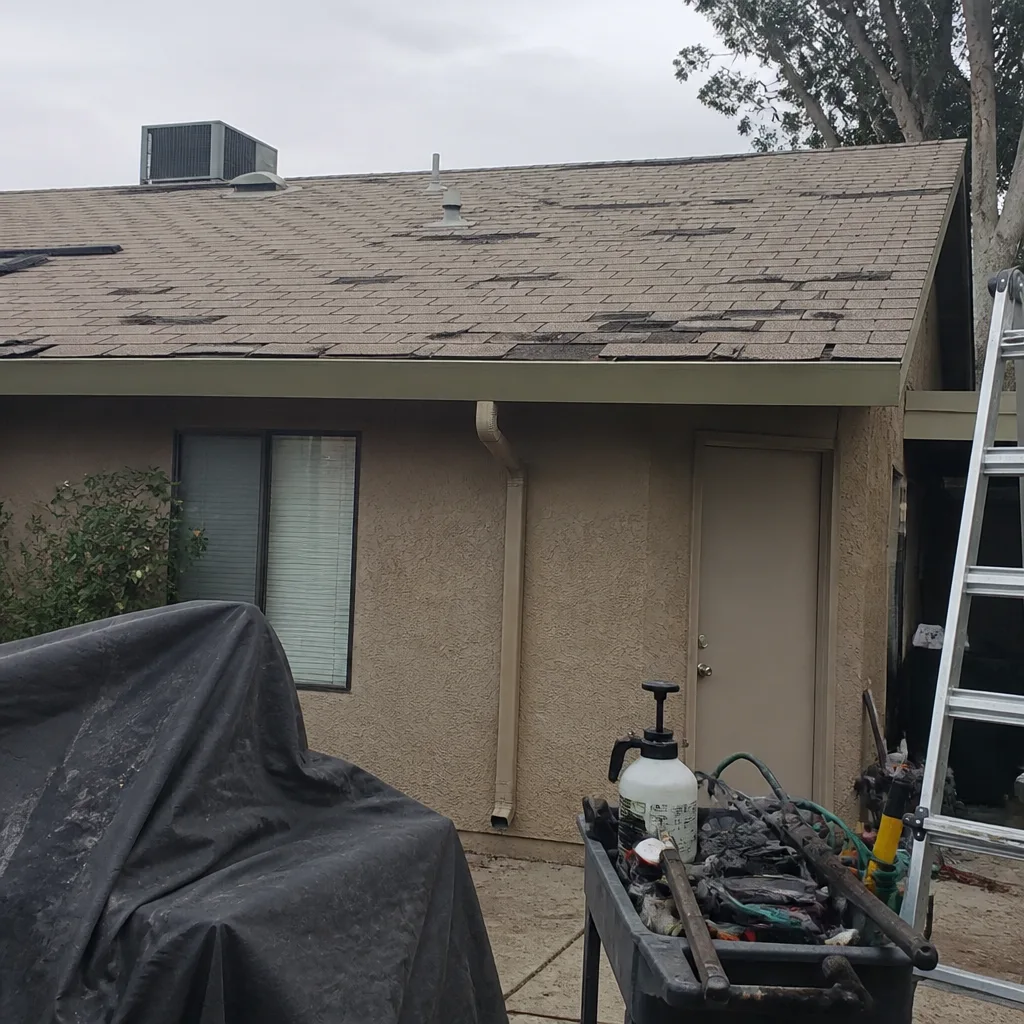 Before
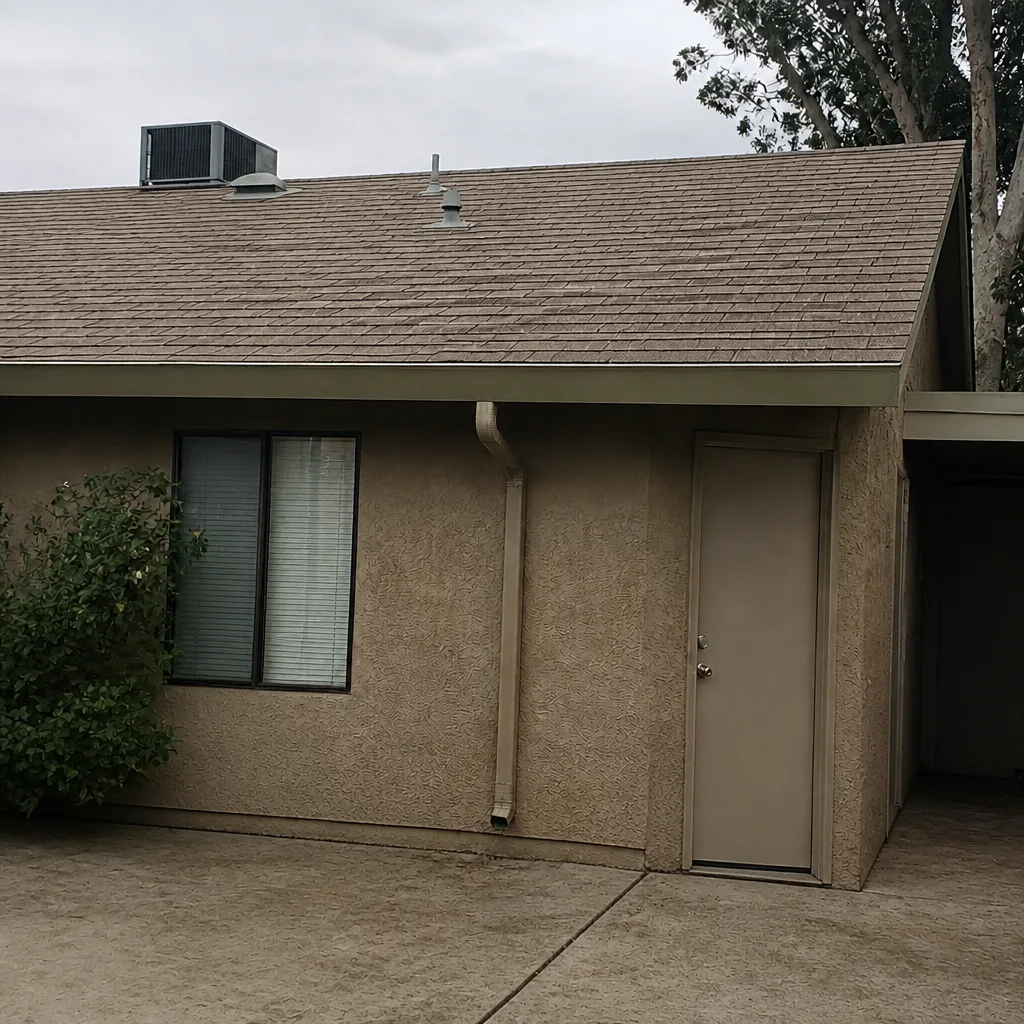 After
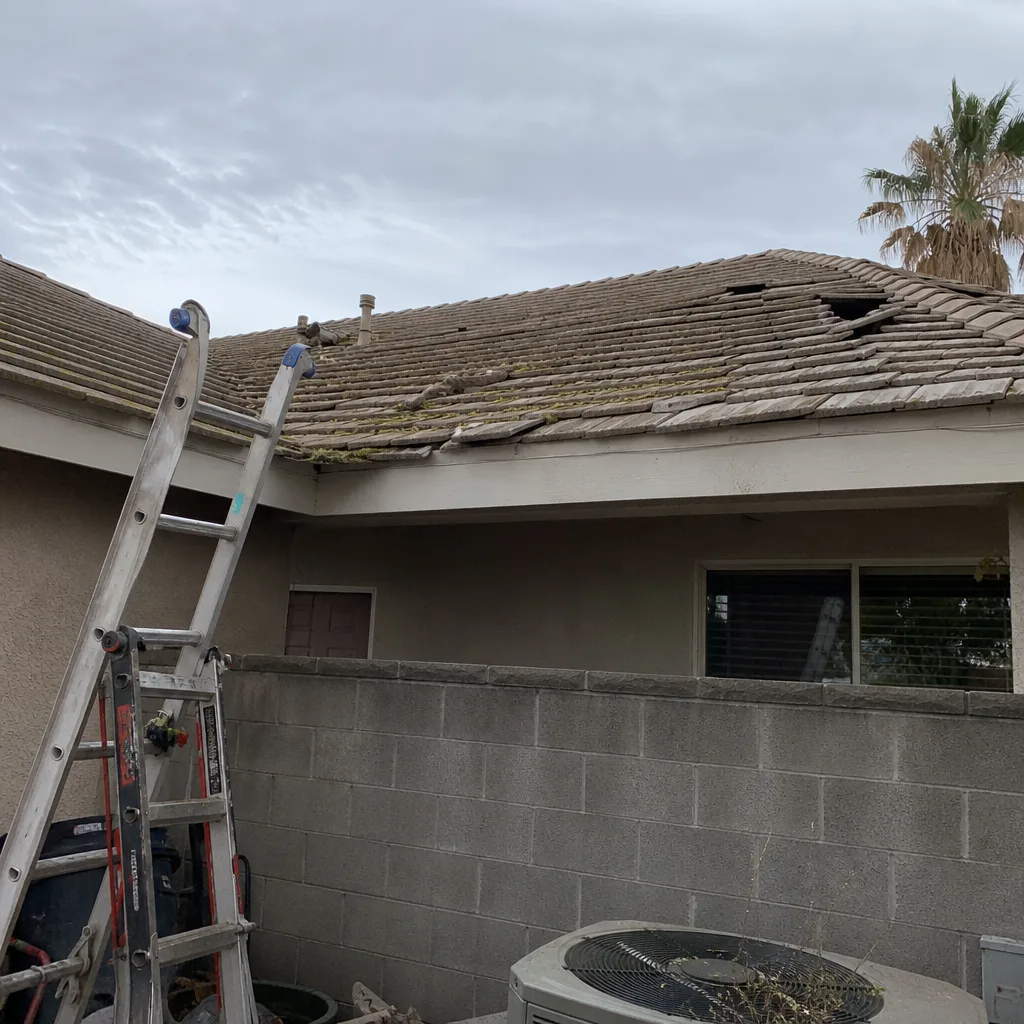 Before
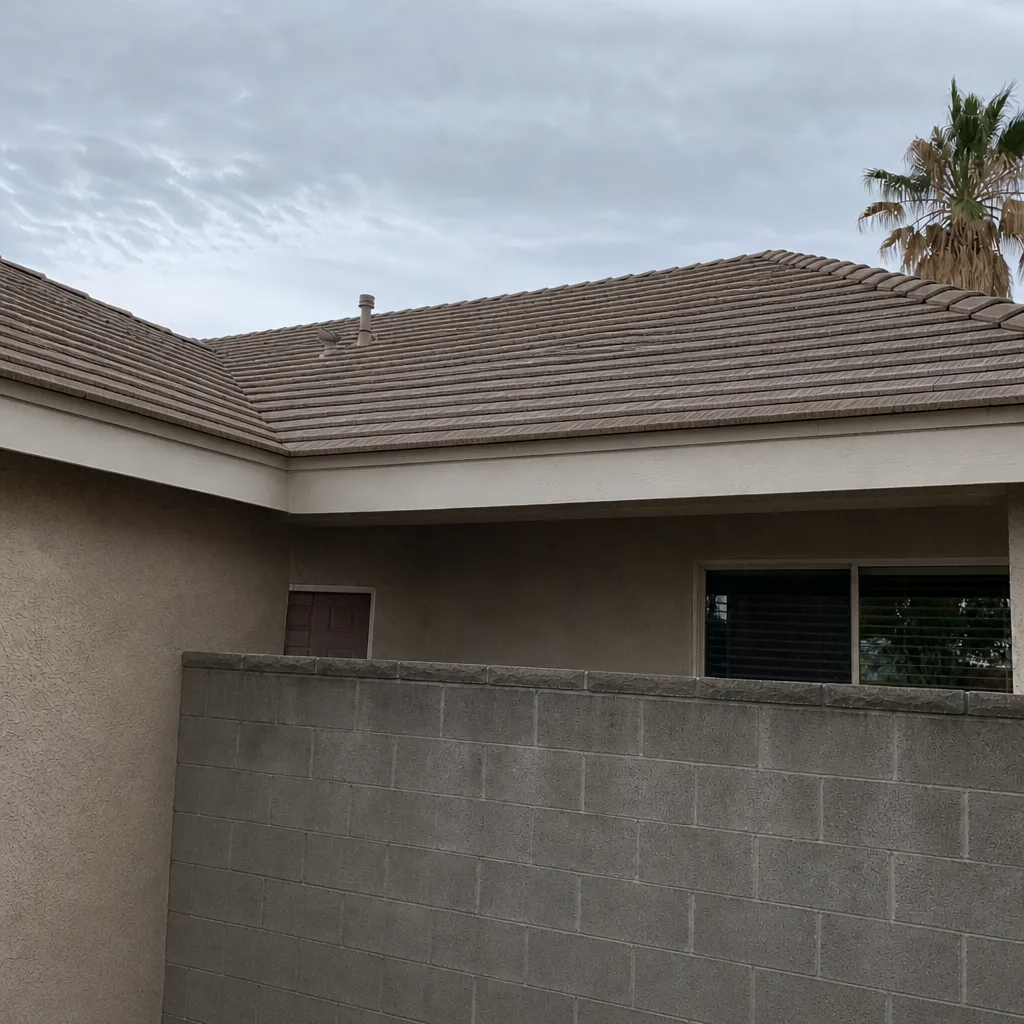 After
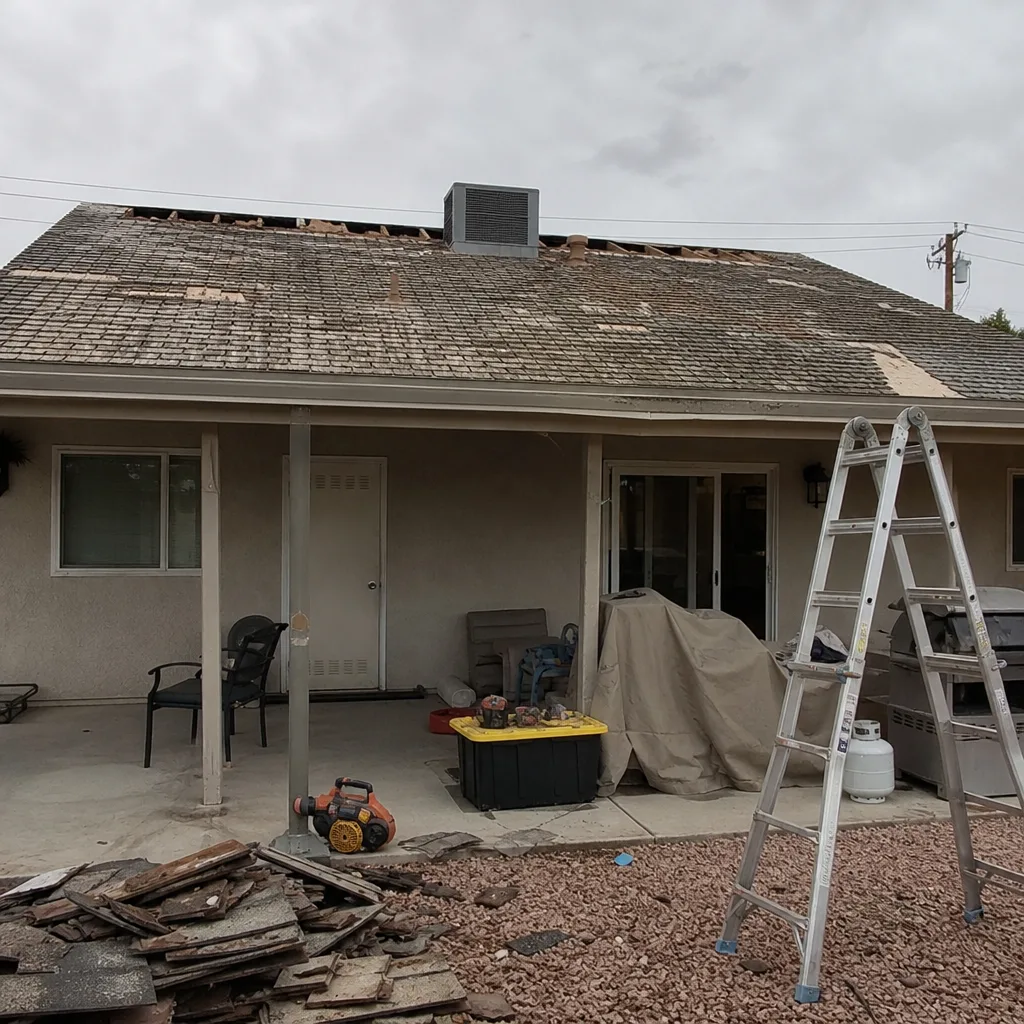 Before
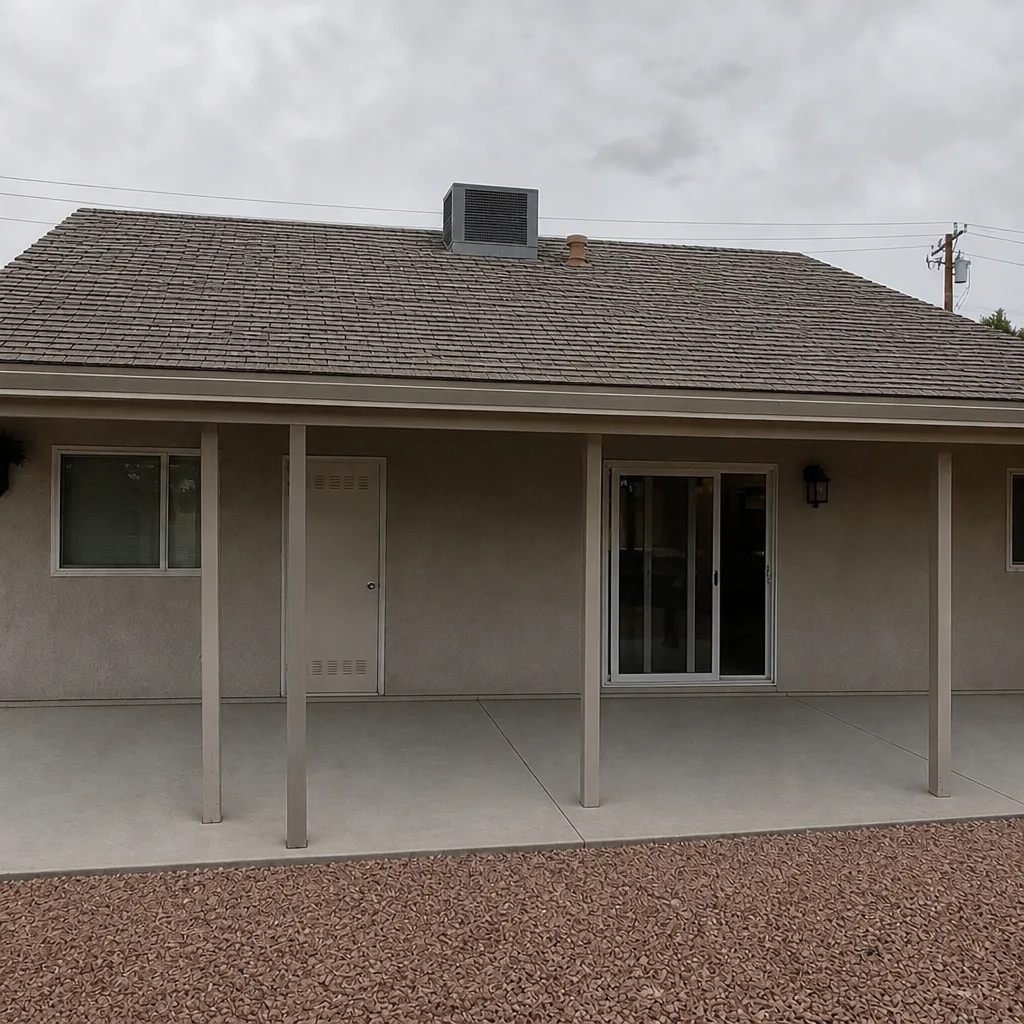 After
When to Call a Professional
Some repairs are within reach of a careful homeowner with binoculars and a ladder to a single-story flat section: spotting lifted tabs, checking for wind-borne debris, watching for new ceiling stains. But any repair that requires getting on a pitched roof in Henderson’s heat is the wrong place to test your balance. And a few situations really do need a professional: a leak you can’t trace, water showing on a ceiling after a monsoon, missing or lifted shingles across more than a small area, anything involving a plumbing vent or skylight flashing, a flat-roof section holding water, or any roof where the shingles are visibly curling or brittle. In those cases, the honest diagnostic costs less than a wrong repair.
Delmar Roof Repair offers free estimates in Henderson – call (833) 519-6453. We answer 24/7. Fast dispatch from 7am to 7pm, Sunday through Friday. Every repair is quoted per job by a written estimate, and there’s no charge to get one.
Frequently Asked Questions
Most single-area roof repairs in Henderson land in a wide range that depends on scope: shingle patching, flashing repair, underlayment, and any deck work all price separately. A small repair on a shingle slope is generally the least expensive, and a flat-roof recoat or a repair that uncovers soft decking costs more because it involves more labor and more material. The honest answer is that no reliable price exists until someone has seen the roof. Call (833) 519-6453 for an exact quote. Estimates are free.
Sun damage doesn’t create an active leak on its own, but it sets up the leak: UV breaks down seals, shingles brittle, and once sealant strips fail, wind-driven monsoon rain gets under the courses. A roof with heavy UV damage is a roof that will leak the next time a storm hits. A proper inspection is how you find out whether the sealant strips are already gone. Call (833) 519-6453 to schedule a diagnostic.
Less than the manufacturer’s national figure, because UV exposure and the 115°F-to-cool-night thermal swing both accelerate aging. Desert-rated shingle lines from manufacturers like CertainTeed and Owens Corning hold up better than standard grades, but any asphalt shingle ages faster here than it would in a mild climate. The useful question isn’t the national rating. It’s how much service life your specific shingles have left, which an inspection answers. Call (833) 519-6453 for a free estimate.
It depends on the scope. Small maintenance repairs usually don’t need a Clark County permit, while a repair that replaces a significant portion of the deck or re-roofs a full section usually does. The Clark County Building Department makes that call for your address, and the paperwork from a permitted repair can matter for homeowner’s insurance at claim time. If you’re not sure what your repair needs, call (833) 519-6453 and we’ll walk you through it. Estimates are free.
A patch is for a localized breach like a puncture, cracked seam, or failed penetration. A recoat is for a membrane whose topcoat has aged out but whose seams and adhesion are still intact. Recoating a flat roof that has already lost adhesion is a waste of money, and patching a widespread failure just moves the leak. The right call depends on membrane condition, which is why we inspect first. Call (833) 519-6453 to schedule a free estimate.
Lifted shingle tabs, missing pieces, pulled drip edge, cracked ridge caps, creased valley flashing, and unusual granule accumulation at the downspout bases. Check from the ground first with binoculars, then look at ceilings and attic rafters for new stains. Water usually migrates a few feet from the actual entry point, so the ceiling stain is rarely directly below the leak. If anything looks off, book a professional inspection. Call (833) 519-6453 for a free estimate.
The Bottom Line
Roof repair in Henderson isn’t the same job it is in national roofing guides, because the climate is different. UV radiation ages adhesives faster than moisture ever could, the daily temperature swing stresses sealant strips day after day, and the monsoon season delivers a concentrated wet test that most roofs pass or fail in a single afternoon. The right repair sequence is diagnostic-first: an honest inspection, then a scope that matches the actual condition of the shingles and the actual remaining life of the roof. If the problem is fixable, fix it. If it isn’t, replace it. Those are the two paths, and there’s no useful third one.
Our team works across seven major shingle brands so the recommendation follows the roof, not a preferred supplier. Our technicians have up to 10 years of experience matching repairs to the systems Henderson roofs actually have. If you want a real diagnosis before any decision, Delmar Roof Repair is a call away at (833) 519-6453. We answer 24/7. Fast dispatch from 7am to 7pm, Sunday through Friday. Estimates are free, and every repair is quoted per job by the written estimate.
Written by the team at Delmar Roof Repair.