
Last updated November 16, 2026
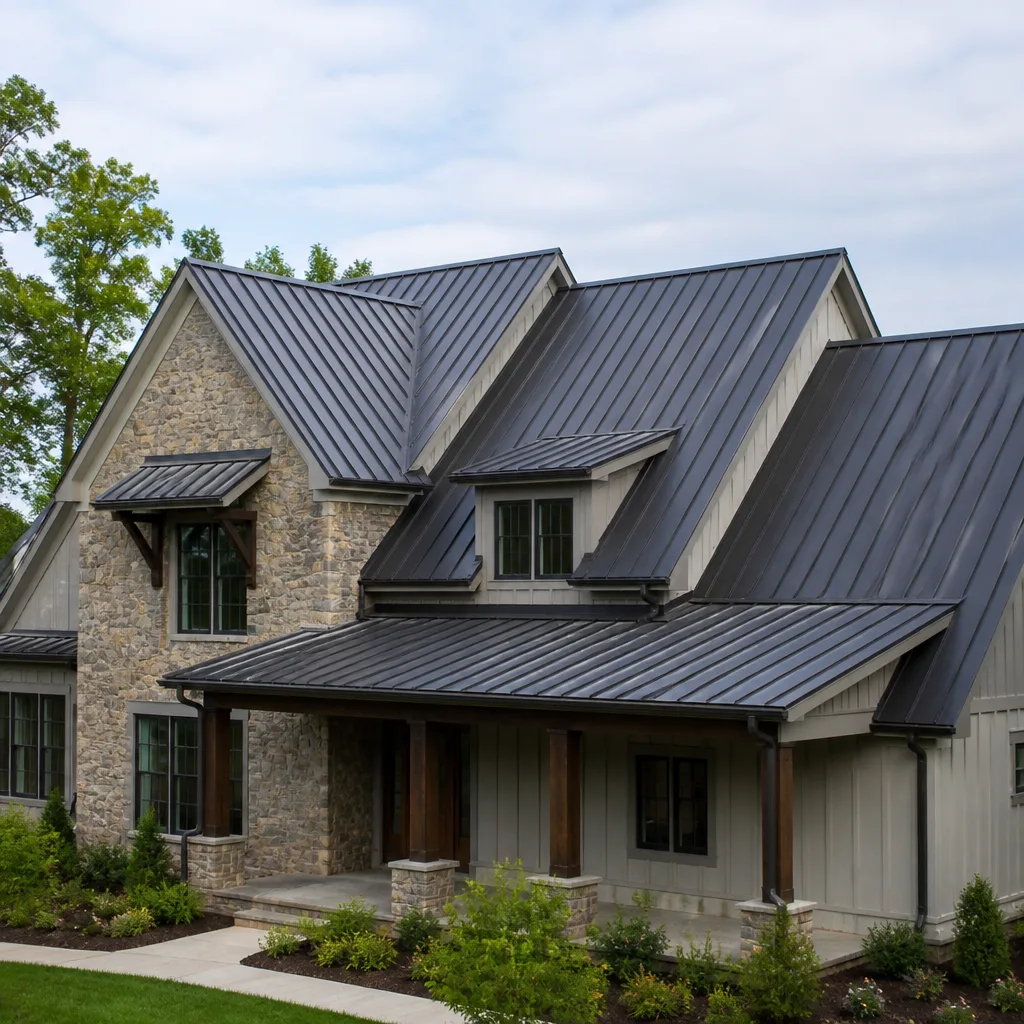 Metal roofing
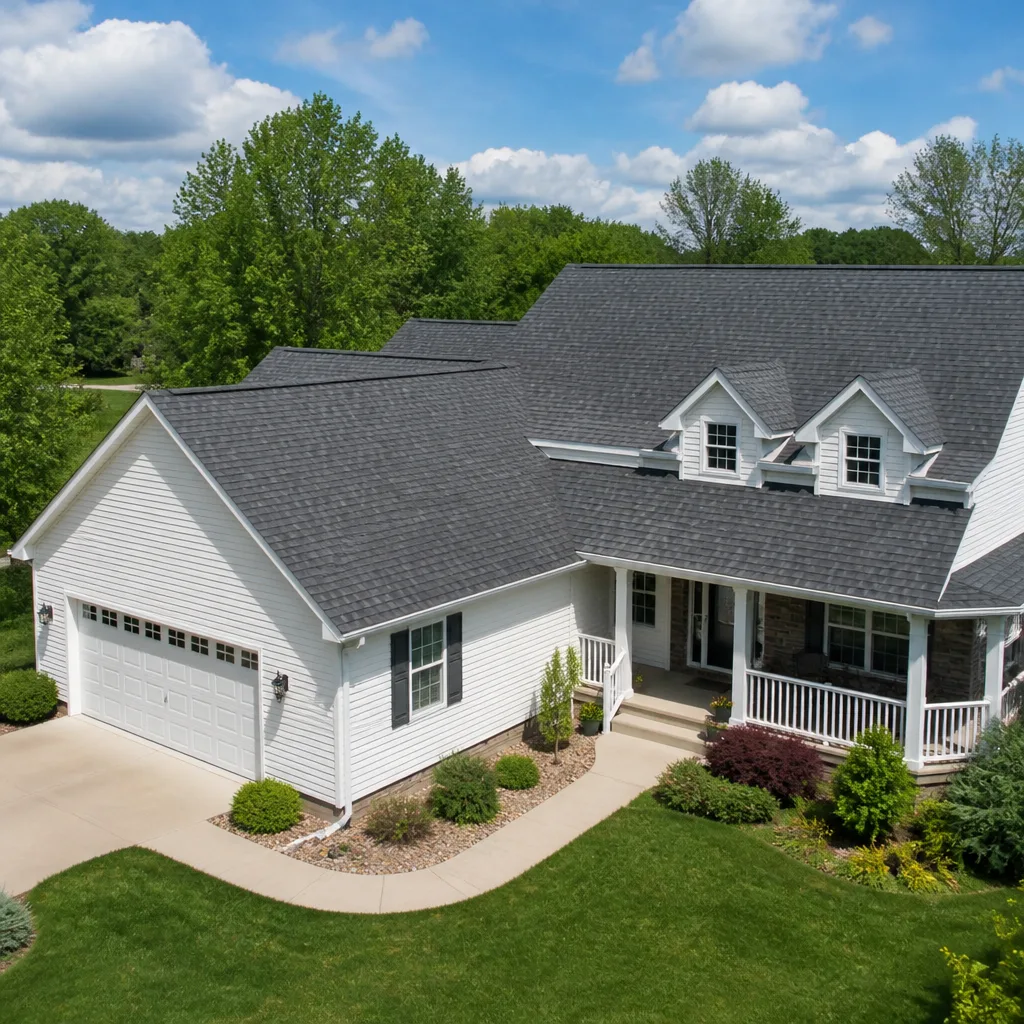
 Architectural shingles
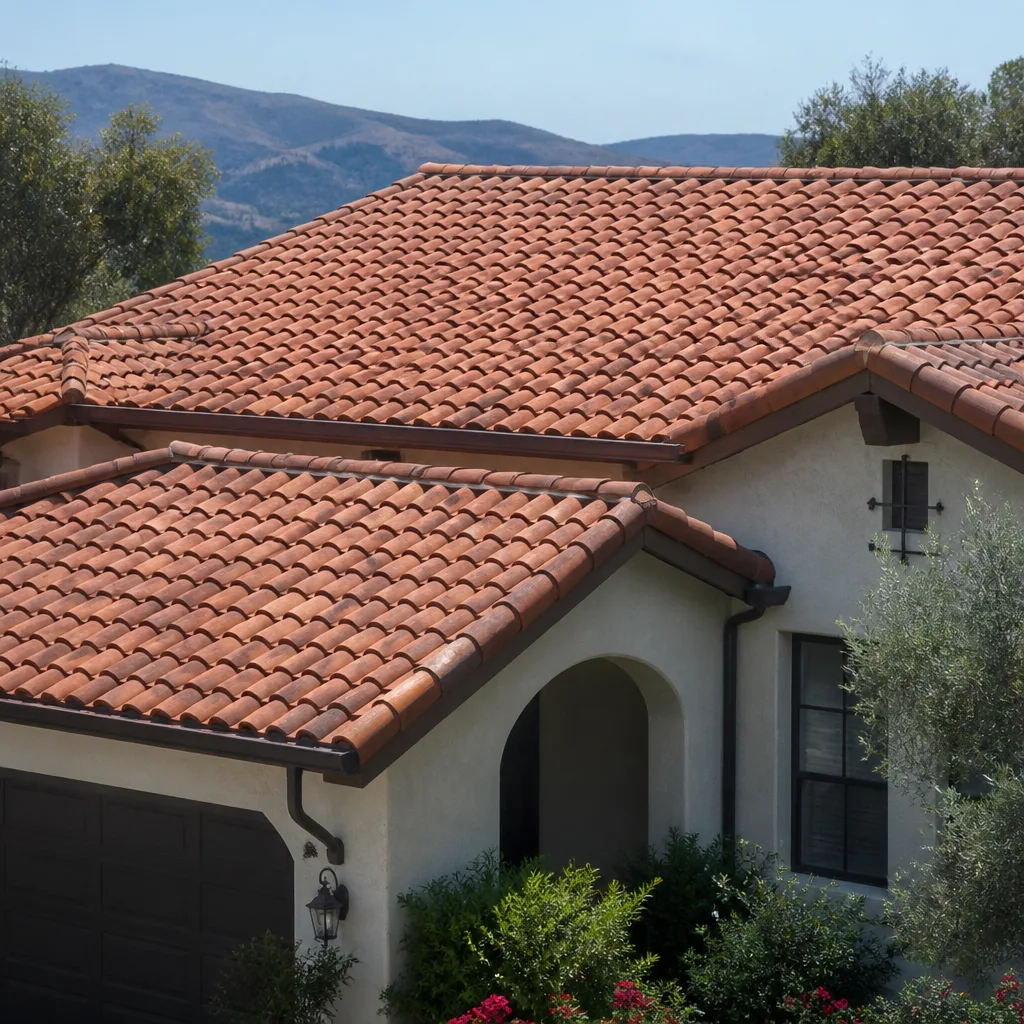 Tile roofing
 GAF
 Owens Corning
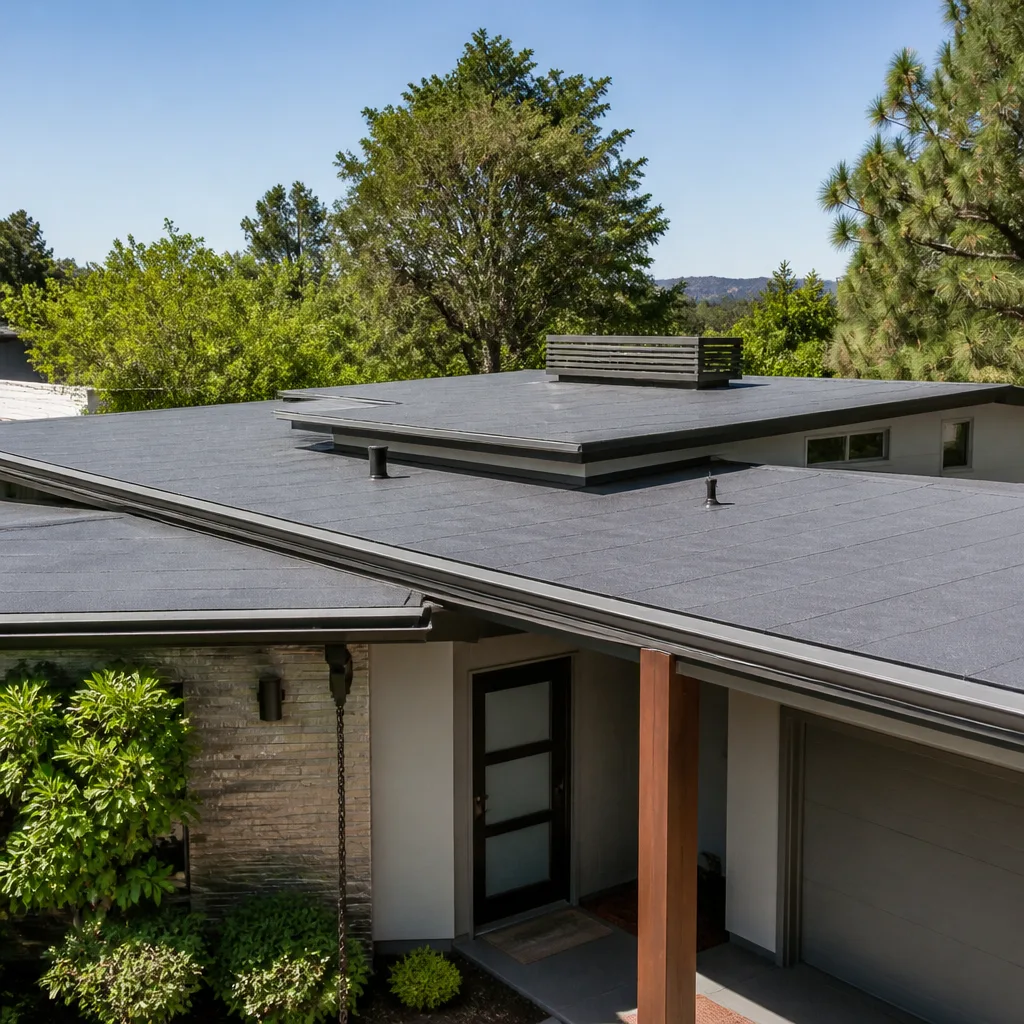 Flat & low-slope
Free roof inspection with deck photos before we talk money - GAF and Owens Corning certified installation
Seasonal Roofing Care for Henderson: Year-Round Homeowner’s Guide
Most roofing calendars run spring, summer, fall, winter. Henderson doesn’t work that way. Our year has two acute stress windows, when the sun and the monsoon do their damage, and two maintenance windows, when smart homeowners get ahead of it. Follow the standard four-season model and you’ll inspect your roof at the worst possible times and book repairs when every other homeowner is calling too. This guide reframes the year around how a roof in Henderson actually ages, from the May run-up to the heat peak through the December planning window, and it’s the same sequence we walk through on inspections. Read it once, put the dates in your phone, and you’ll stop reacting to roof problems and start preventing them.
Styles & brands we work with
- Architectural shingles
- Metal roofing
- Tile roofing
- GAF
- Owens Corning
- Flat & low-slope
Quick Answer
Seasonal roof care in Henderson runs on four windows, not four seasons: May through June for pre-heat preparation (ventilation, sealant, flat-section assessment), July through September for active monsoon monitoring, October through November for a full post-storm inspection and repair scheduling, and December through February for planning and non-emergency work. The single most useful move is booking a professional inspection in the cool winter months, when heat damage and cracked components are easiest to identify before summer makes them worse.
Table of Contents
- Why Henderson Roofs Don’t Follow a Four-Season Calendar
- December Through February: The Planning Window and Your Best Inspection Month
- The Hard Freeze Factor: Henderson’s Overlooked Secondary Stressor
- May Through June: Pre-Stress Prep Before the Heat Peak
- July Through September: Monsoon Vigilance
- October Through November: The Post-Storm Audit
- What You Can Check Yourself and What Needs a Pro
- Common Mistakes to Avoid
- When to Call a Professional
- Frequently Asked Questions
- The Bottom Line
Why Henderson Roofs Don’t Follow a Four-Season Calendar
A roof in a mild four-season climate faces one long, slow wear cycle. A roof in Henderson faces something more stop-start: months of relentless UV exposure, then sudden violent rain, then a cool stretch that quietly creates its own problems. The damage doesn’t arrive evenly. It accumulates in bursts, and the calendar most homeowners follow doesn’t match those bursts at all.
Think about what actually happens to an asphalt shingle here. Summer heat cooks the volatiles out of the mat and makes the surface brittle. The granule coating that shields the asphalt from UV wears thin fastest on south- and west-facing slopes, which in Henderson means the planes taking the afternoon sun. Then a monsoon cell drops a month of rain in an hour, and water finds every hairline crack the heat opened. In winter, the material contracts. Cracks that were cosmetic in August become entry points by January.
That’s why we organize roof care around stress windows rather than seasons:
- Pre-stress window (May through June): get the roof into shape before the heat peak arrives.
- Active stress window (July through September): watch, document, and respond to monsoon events.
- Post-storm audit window (October through November): comprehensive inspection while the evidence is fresh and contractor calendars are still open.
- Planning window (December through February): the mild months, best used for inspections, bids, ventilation work, and scheduled non-emergency repairs.
Henderson’s housing stock makes this matter more. Neighborhoods like Green Valley and Anthem have large expanses of roof plane under full sun, and older pockets of downtown Henderson carry roofs that have been through a lot of thermal cycling. The same care schedule applies, but the margin for skipping a window is thinner. Our technicians have up to 10 years of experience reading exactly this kind of wear, and the pattern is consistent: roofs that get inspected in the cool months need fewer repairs the following summer.
December Through February: The Planning Window and Your Best Inspection Month
Winter is the best time of year to inspect a roof in Henderson, and it’s the window most homeowners waste. Cool temperatures are easier on both the roof and the person on it, and they make certain defects far easier to see. Heat damage that will be hidden by glare and softened sealant in July shows up clearly in January.
Here’s what the cool months reveal that summer conceals:
- Heat-damaged shingles: brittleness and granule loss read more clearly when the material isn’t soft from heat.
- Cracked ridge caps: the contraction cycle opens them, and a winter inspection catches them before rain gets in.
- Ventilation problems: cool mornings make attic condensation and staining patterns obvious, which points straight to inadequate venting.
- Flashing and sealant condition: dried, pulled-back sealant is visible without the sun baking it into a deceptive glossy finish.
This is also the window for the practical side of roof ownership. Contractor demand peaks after storm season, so bids requested in December or January are easier to schedule and easier to compare without pressure. Non-emergency work, ventilation upgrades, and repairs that aren’t tied to an active leak can all be planned for a date that suits you rather than squeezed into a post-storm backlog. If your roof is older and you’re weighing a roof replacement against another round of repairs, this is the calmest month of the year to get that question answered with a proper inspection.
A simple winter checklist
- Book a standalone inspection in December or January, before the spring rush.
- Note any attic condensation, staining, or musty smell and mention it during the inspection.
- Ask specifically about attic ventilation intake and exhaust balance.
- Get any recommended repairs quoted in writing, with the scope spelled out line by line.
- Schedule non-emergency work for a date that doesn’t collide with storm season.
The Hard Freeze Factor: Henderson’s Overlooked Secondary Stressor
Henderson rarely freezes hard, which is exactly why a hard freeze catches roofs off guard. The occasional overnight freeze doesn’t create the damage a northern winter does, but it stresses existing weak points differently than summer heat does, and that difference matters.
Summer heat expands and softens. A freeze contracts and stiffens. Sealant that has been slowly drying out through the summer becomes rigid in a cold snap and can pull away from flashing or penetrations. A hairline crack in a shingle or a ridge cap that was holding fine in the heat can widen when the material shrinks. Water that gets into a small opening and then freezes expands, and expansion is how a small opening becomes a real one.
We treat the freeze risk as a reason to fix small defects before winter rather than after. If your roof has visible cracked sealant, lifted flashing, or shingles that feel brittle at the edges, those are the exact points a cold snap will test. The October and November audit window exists partly for this: repairs made in fall are in place before the coldest nights arrive, not after. And if a freeze does pass through, use the following mild stretch to look for new staining on ceilings or in the attic rather than waiting for the next rain to confirm it.
May Through June: Pre-Stress Prep Before the Heat Peak
The weeks before the heat peak are the most valuable maintenance window of the Henderson year. Once July arrives, the roof is under continuous thermal load and any weakness gets amplified daily. What you fix in May is a problem you don’t chase in August.
Pre-stress prep comes down to three things:
1. Confirm attic ventilation
Ventilation is the quiet workhorse of roof longevity. An attic that can’t move air out runs hotter, and a hotter deck ages shingles from underneath while they’re being cooked from above. During a pre-summer check, we look at intake and exhaust balance, blocked soffit vents, and whether ridge or static venting is actually doing its job. In the large single-family homes common around Henderson, an attic that was adequately vented when built can fall out of balance after insulation work or a vent gets covered.
2. Check sealant and flashing
Sealant around penetrations, pipe boots, and flashing edges takes the brunt of UV exposure. A pre-summer pass catches sealant that has dried and pulled back, so it can be renewed before the heat finishes it off. The same visit should include a look at valley flashing and any roof-to-wall junctions.
3. Assess flat and low-slope sections
If your home has flat or low-slope sections, usually over a patio cover, addition, or garage, those areas behave differently from pitched shingle planes. Coating condition matters more than shingle age there, and a coating that’s worn thin by spring will be gone by September. We assess the surface condition and whether recoating makes sense before the heat peak rather than after. Material choice matters here too: whether your roof carries Owens Corning, IKO, or Atlas shingles, or a Tamko system on an older section, the prep steps are the same. We work across all of those brands, so the recommendation follows the roof’s needs rather than a supplier preference.
July Through September: Monsoon Vigilance
Monsoon season is when a Henderson roof earns its keep, and it’s when homeowners should shift from maintenance to active monitoring. The goal isn’t to climb up during a storm. It’s to know what to watch, catch problems early, and have a plan before the first big cell arrives.
What to monitor during storm season:
- Drainage performance: watch how water leaves the roof. Pooling on flat sections, water backing up at valleys, or overflow at scuppers signals a drainage problem that will worsen with each storm.
- Ceiling and wall stains: any new discoloration after rain is a leak signature. Photograph it and note the date.
- Granule accumulation: grit washing out of downspouts in volume points to shingle wear.
- Loose or lifted material: from the ground, look for shingles that have lifted at edges or ridge caps that look out of line after wind.
- Attic moisture: a quick attic check after a storm catches damp decking before it becomes rot.
If a storm opens the roof and water is coming in, temporary protection is the priority. A proper tarp protocol means securing the covering so wind can’t take it, protecting the edges, and documenting the damage before anything is moved. Don’t nail through a damaged area or walk a wet roof. Call (833) 519-6453. We answer 24/7. Fast dispatch from 7am to 7pm, Sunday through Friday, can get protection in place and stop the water from spreading. We’re closed on Saturday, so a Saturday call gets booked into the next opening.
October Through November: The Post-Storm Audit
Once monsoon season winds down, the smartest roofing move of the year is a full inspection, and the reason is timing as much as damage. October and November give you a clear read on what the summer did, and they get you into the schedule before post-storm demand spikes and every roofer in the valley is booked out.
This is the window where we recommend a standalone inspection regardless of whether you suspect a problem. An inspection-first approach means we look before we recommend: the whole roof, the flashing, the attic side, the drainage, and the ventilation, with a written summary of what we found. If repairs are needed, we can scope them line by line so you know what you’re paying for. If the roof is sound, you get that in writing too, and you can skip the next cycle of worry.
The post-storm audit is also the right time to make a repair-versus-replace decision. A roof that took repeated monsoon hits may have several small issues that each look minor but add up. Others are genuinely fixable, and a repair-first approach will tell you which one you have. We repair when possible and replace when necessary, and the inspection is what separates the two. If you’ve been putting off a decision because you weren’t sure whether a full roof repair would do the job, this is the month to find out.
What a post-storm audit covers
- Ground-level review of the roofline, ridge, and visible flashing.
- On-roof inspection of shingle condition, granule loss, and sealed edges.
- Valley, penetration, and flashing check for water intrusion points.
- Attic inspection for staining, moisture, and ventilation performance.
- Drainage review, including flat sections and any low-slope roofing.
- A written summary with photographs and a clear recommendation.
What You Can Check Yourself and What Needs a Pro
Homeowners can do useful observation from the ground and from the attic. They should not walk a roof to do it, and they should never attempt repairs on a steep or wet surface. The line is simple: look from safe ground, and hand anything that requires going up to a trained professional.
Safe for homeowners
- Binocular check of the roofline after a storm, looking for lifted or missing shingles.
- Ceiling and wall inspection for new stains after rain.
- Attic checks for damp decking, staining, or condensation.
- Watching drainage during rain from the ground.
- Noting granule accumulation at downspout outlets.
Leave to a professional
- Any walk on the roof, especially steep slopes.
- Flashing, sealant, and penetration repairs.
- Ventilation assessment and changes.
- Anything involving the structural deck.
- Damage assessment for insurance or documentation purposes.
There’s a safety side to this that we won’t soften. Roofs are dangerous, and a fall from height is a serious injury. Wet shingles after a storm are slick, and heat makes a roof surface genuinely hazardous to stand on. If something looks wrong, get it documented from the ground and let someone trained make the climb.
Common Mistakes to Avoid
- Inspecting only in summer. Heat hides the very defects that a cool-month inspection reveals most clearly. Save your inspection for December or January and you’ll see more.
- Waiting for a leak before booking anything. By the time water is on the ceiling, the opening has usually been there a while. A fall audit catches it in the dry.
- Skipping ventilation because the shingles look fine. A hot attic ages shingles from underneath while the top still looks acceptable. Ventilation is part of roof care, not an upgrade.
- Climbing up after a monsoon cell. Wet shingles are the worst surface to be on. Document from the ground and call.
- Accepting a replacement quote without an inspection. In Henderson’s heat, plenty of roofs with fixable damage get quoted for full replacement. Ask for a written inspection first.
- Ignoring the small freeze damage. A pulled sealant or a hairline crack after a cold snap is cheap to fix and expensive to ignore.
- Letting flat sections go unassessed. Low-slope roofing fails from coating wear, not shingle age, and it needs its own look each spring.
When to Call a Professional
Call when you see new ceiling or wall staining after rain, when shingles are visibly lifted, missing, or shedding granules in volume, or when a storm has opened the roof and water is getting in. Call after a hard freeze if you notice pulled sealant or new cracking. Call before summer if your attic runs hot or your flat sections haven’t been assessed. And call in the fall even if nothing looks wrong, because that’s when an inspection gives you the clearest picture and the easiest scheduling. Delmar Roof Repair offers free estimates in Henderson. Call (833) 519-6453. We answer 24/7. Fast dispatch from 7am to 7pm, Sunday through Friday, and we’re closed Saturday. Inspect before you recommend, repair when possible, replace when necessary: that’s the whole approach.
Frequently Asked Questions
December through February is the best window. Cool temperatures make heat damage, cracked ridge caps, and ventilation problems easier to see, and the mild season is easier on anyone working on the roof. October and November are the second-best window, right after monsoon season, when you get a clear read on summer damage before contractor demand spikes. Call (833) 519-6453 for a free estimate and we’ll get an inspection on the calendar.
Once a year at minimum, and ideally twice: a full inspection in the cool months and a post-monsoon audit in the fall. Roofs over 15 years old, roofs with flat sections, and roofs that took a direct storm hit benefit from a closer look. An annual inspection is how you catch small defects before they become leaks. Call (833) 519-6453 to book yours.
Yes. Sustained UV exposure breaks down the asphalt in shingles and wears the granule coating that shields it, and south- and west-facing slopes take the worst of it. Heat also drives attic temperatures up, which ages the roof from underneath. Ventilation and timely repairs are how you slow that process. Call (833) 519-6453 for an assessment of where your roof stands.
We don’t recommend it. Getting on a wet roof after a monsoon cell is genuinely dangerous, and a poorly secured tarp can do more harm than good. Temporary protection is best handled by someone trained to do it safely. Call (833) 519-6453. We answer 24/7, with fast dispatch from 7am to 7pm, Sunday through Friday, and we’re closed Saturday.
It can stress existing weak points. Henderson rarely freezes hard, but when it does, dried sealant pulls away, hairline cracks widen as material contracts, and trapped water expands as it freezes. The fix is to repair small defects in the fall before the coldest nights arrive. Call (833) 519-6453 if a cold snap leaves you with new staining or visible cracking.
In most cases, yes. We work with shingles from GAF, CertainTeed, Owens Corning, IKO, Atlas, Tamko, and Boral, so we can usually source a match or a close complement for your existing system without forcing a brand switch. Matching well protects both the look of the roof and your warranty continuity. Call (833) 519-6453 for a free estimate and we’ll walk you through the options.
The Bottom Line
Henderson doesn’t ask you to think in four seasons. It asks you to prepare in May and June, watch closely through the monsoon months, audit the damage in October and November, and use the mild winter for inspections, bids, and non-emergency work. Get those four windows right and you spend less time reacting to leaks. The single highest-value habit is a cool-month inspection from a company that looks before it recommends. Our technicians have up to 10 years of experience, we work across the mainstream shingle brands, and we treat repair as the first question, not the last resort. Call (833) 519-6453 to schedule a free estimate and start the year’s roof care with a clear picture of what you’re working with.
Written by the team at Delmar Roof Repair.
See the difference
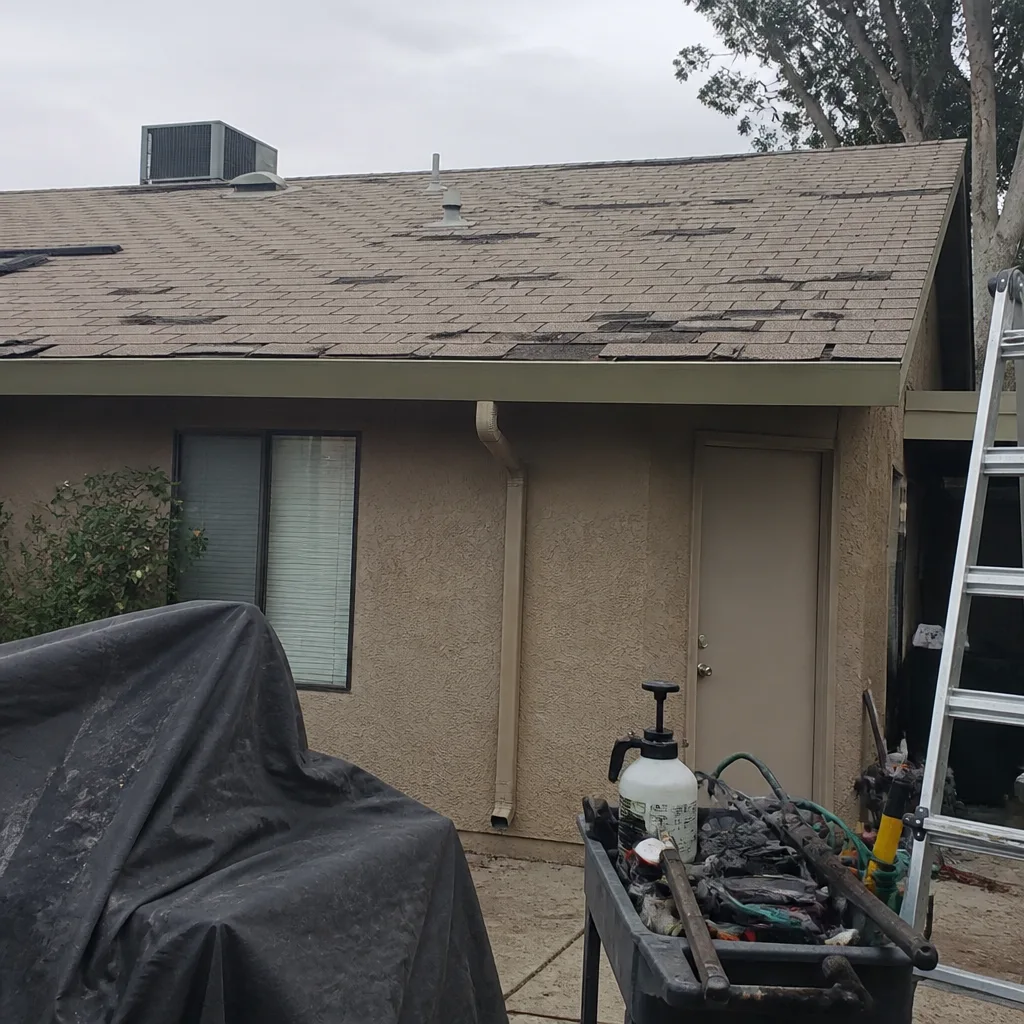 Before
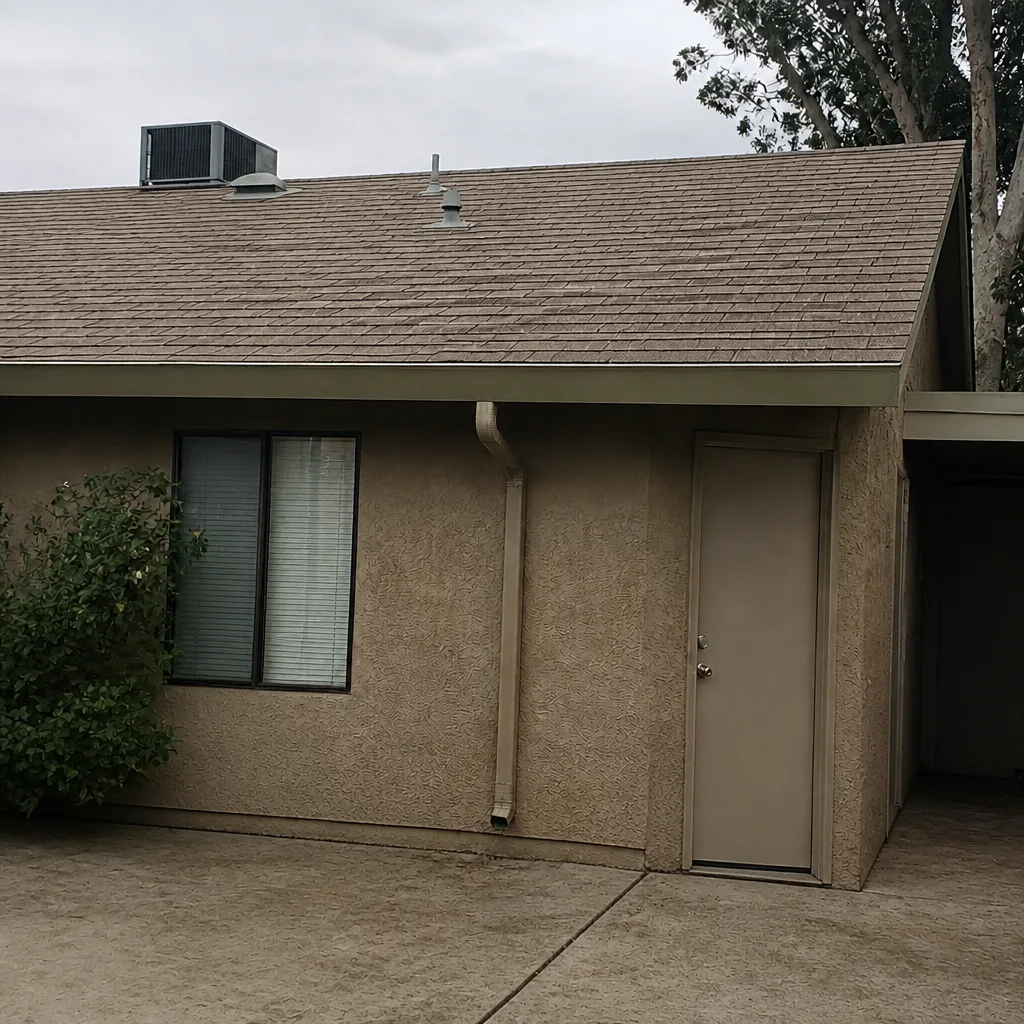 After
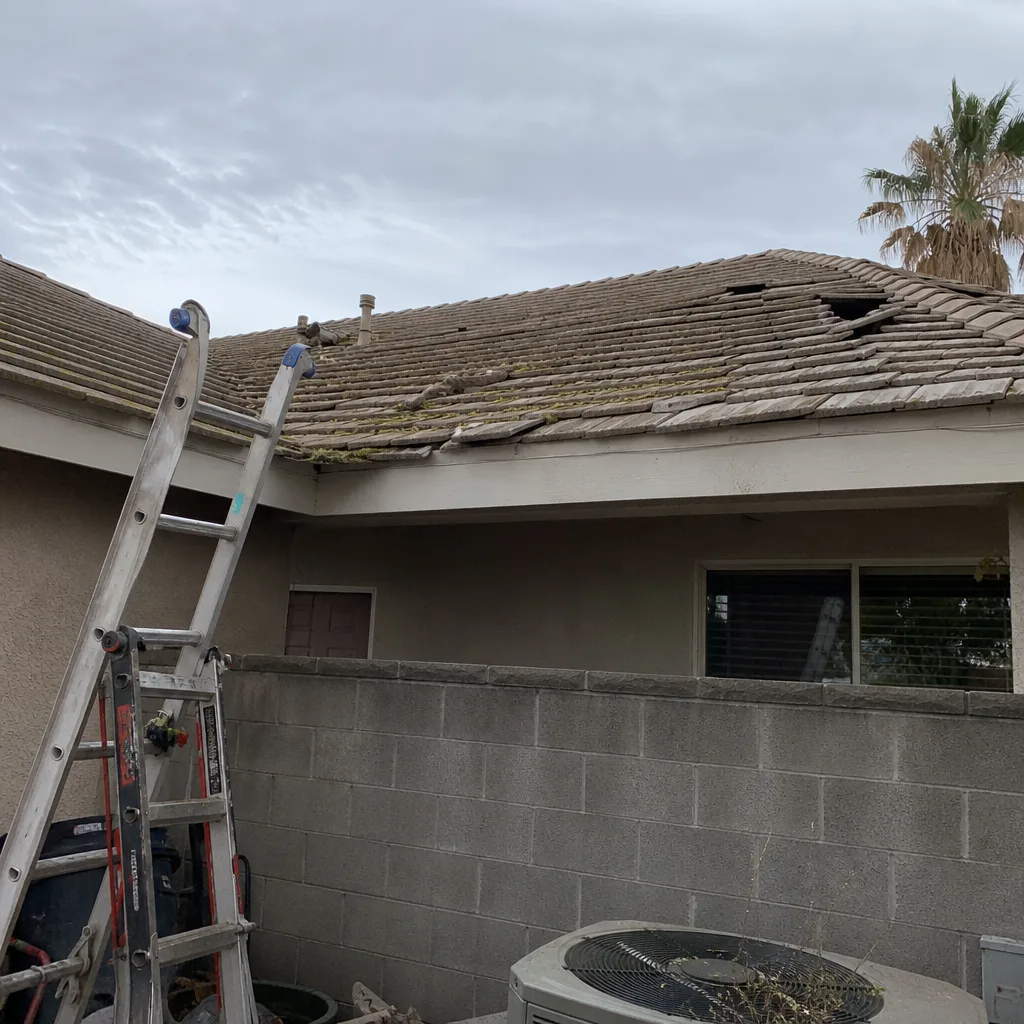 Before
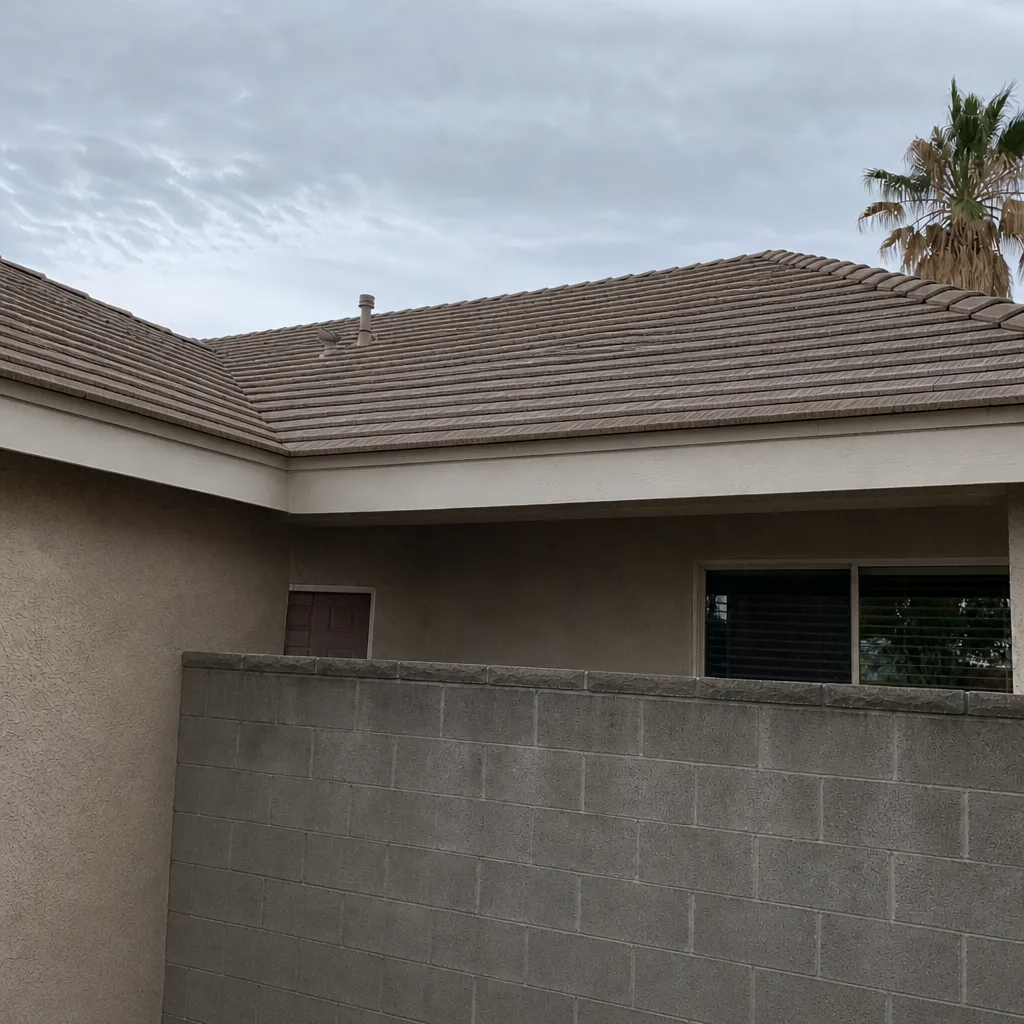 After
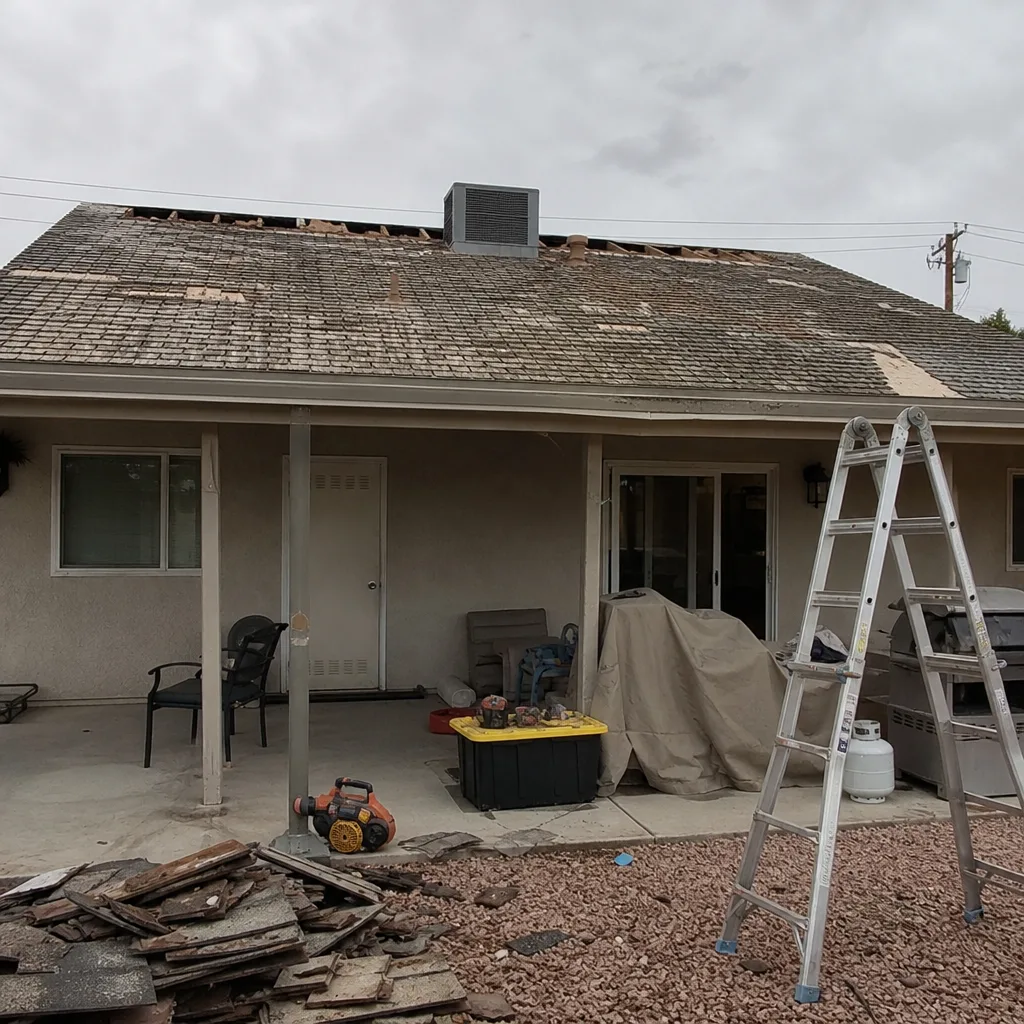 Before
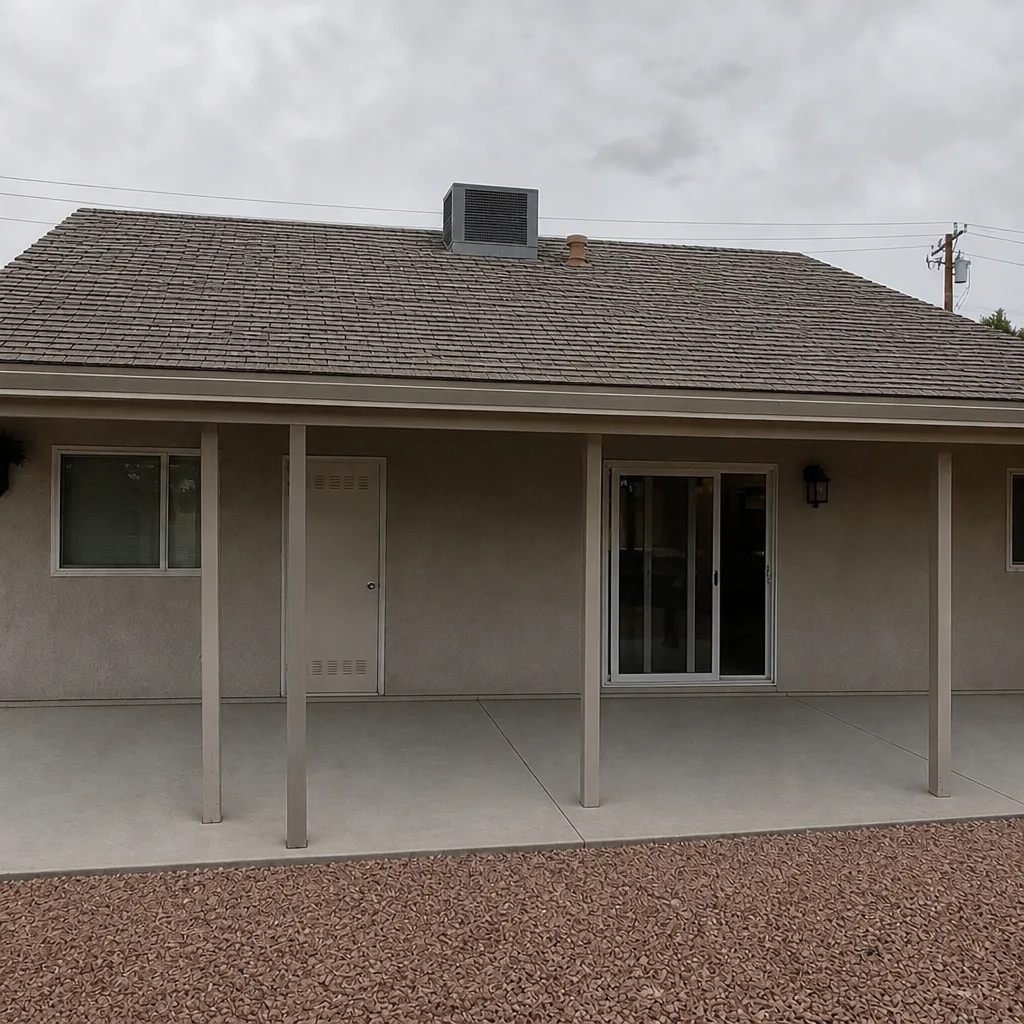 After