
Last updated November 16, 2026
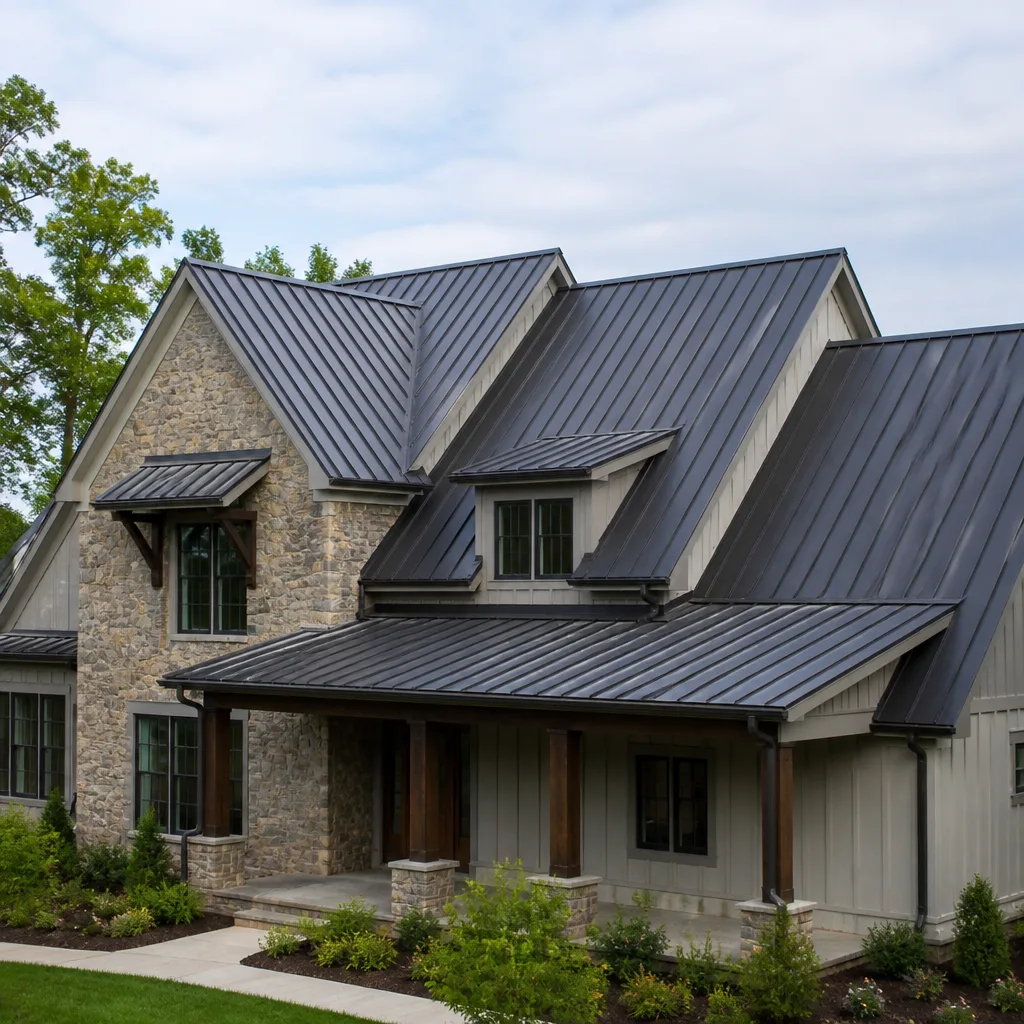 Metal roofing
 Architectural shingles
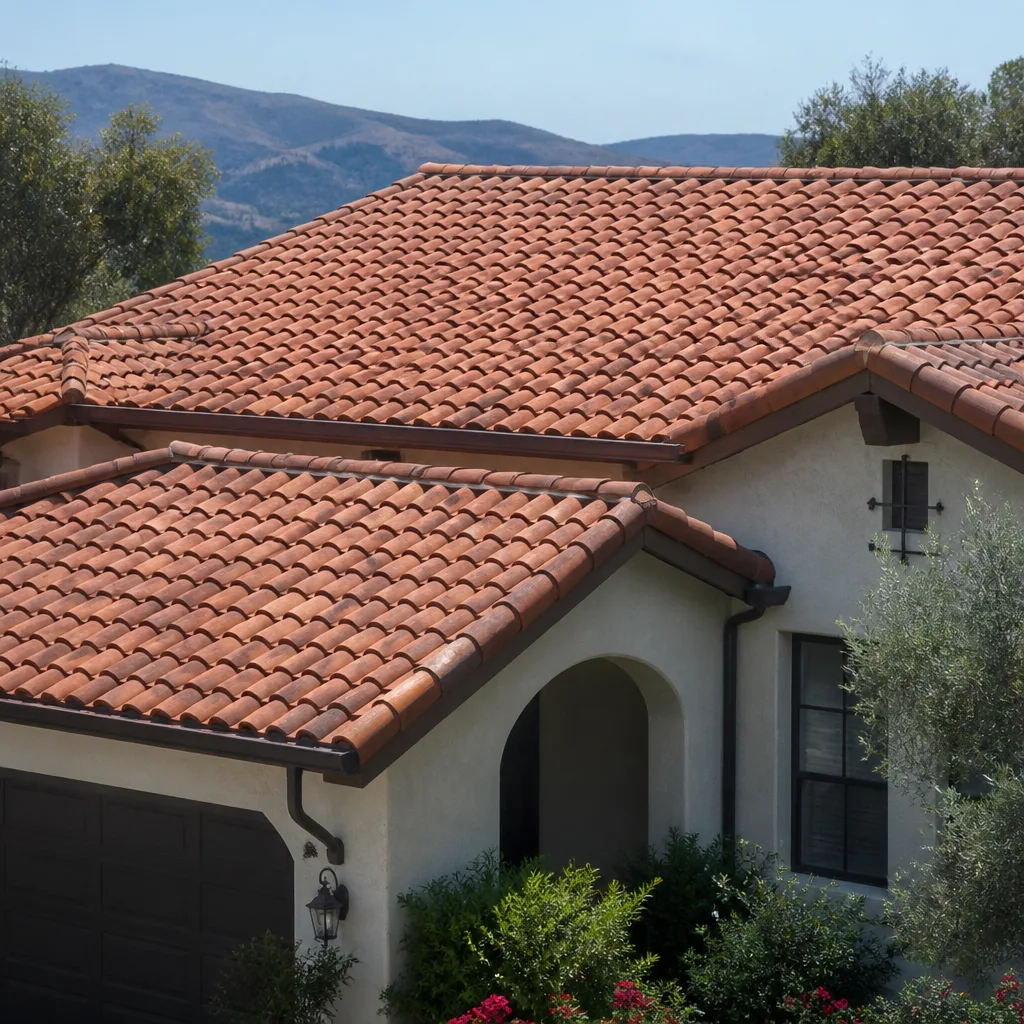 Tile roofing
 GAF
 Owens Corning
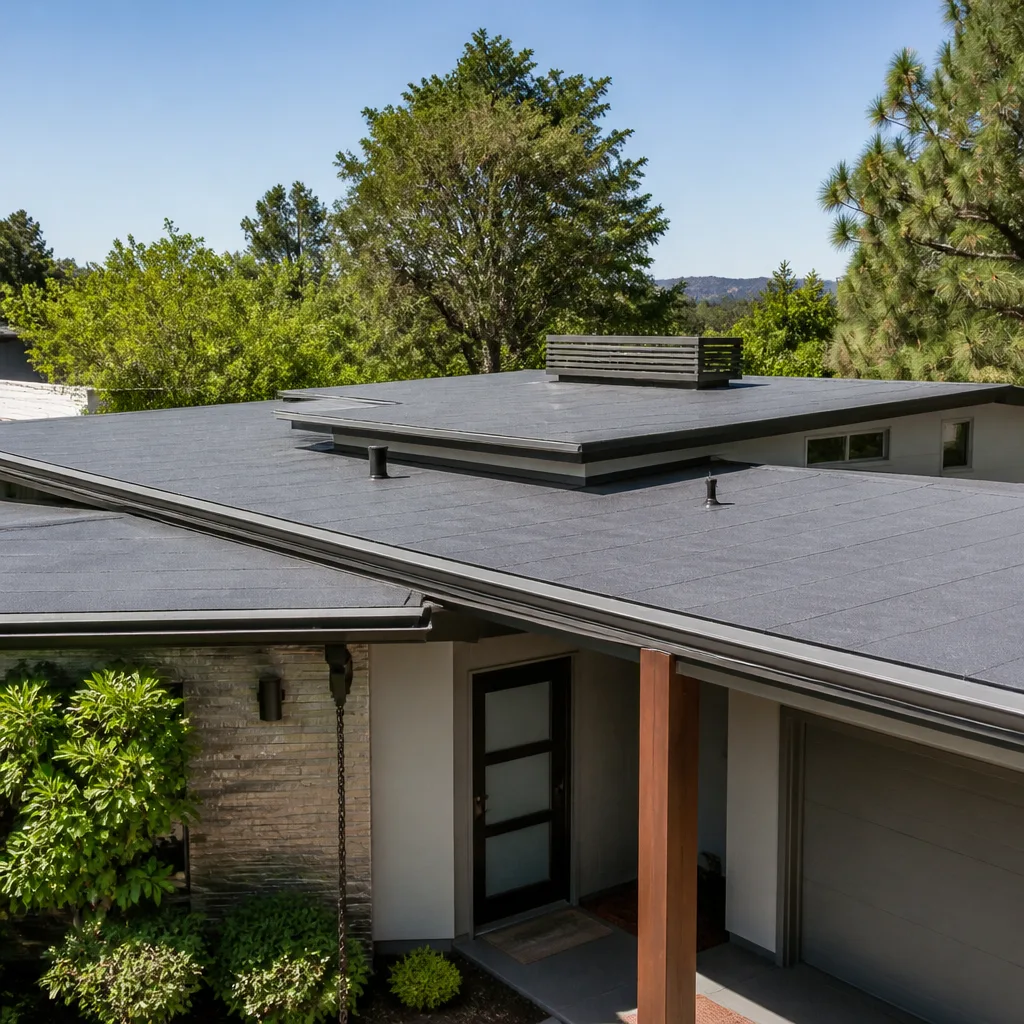 Flat & low-slope
Free roof inspection with deck photos before we talk money - GAF and Owens Corning certified installation
Roofing Emergency Preparedness Guide for Henderson Homes
A Henderson microburst can lift and peel back sections of a roof in under a minute, and the first hour after the storm is often the difference between a claim that gets approved and one that gets denied. Most roofing emergency advice online is written for hurricane coasts and snow-belt winters, which means it misses the monsoon wind, flash-flood ponding, and rare freeze events that actually stress homes here. This guide walks through the emergencies Henderson roofs really face, how to document damage before anyone touches it, and how to vet a contractor when you’re under pressure. You’ll finish knowing what to have ready before the storm, what to do in the first 30 minutes, and what to avoid after.
Quick Answer
Roofing emergencies in Henderson usually come from monsoon wind uplift, flash-flood ponding on flat sections, windblown debris, and rare freeze damage, not from blizzards or coastal storms. The best protection is preparation: keep a tarp and weighted bags ready, document damage with timestamped photos before you disturb anything, and call a roofer who will inspect before recommending replacement. A proper emergency response limits damage and protects your insurance claim.
Styles & brands we work with
- Architectural shingles
- Metal roofing
- Tile roofing
- GAF
- Owens Corning
- Flat & low-slope
Table of Contents
- The Roof Emergencies Henderson Homes Actually Face
- What to Document in the First 30 Minutes After Storm Damage
- How to Tarp a Roof Without Voiding Your Insurance Claim
- Pre-Emergency Preparedness Checklist for Henderson Homeowners
- Telling a Legitimate Emergency Call From a Storm-Chaser
- Monsoon Season Roof Care: Getting Ahead of the Storm
- How Henderson’s Climate Ages a Roof
- When to Call a Professional
The Roof Emergencies Henderson Homes Actually Face
Henderson sits in the Mojave Desert, so much of the year is dry and forgiving to roofs. The trouble arrives in concentrated bursts. Understanding the four scenarios below lets you prepare for what your roof will actually confront, instead of the coastal storms that fill national advice columns.
1. Monsoon Wind Uplift
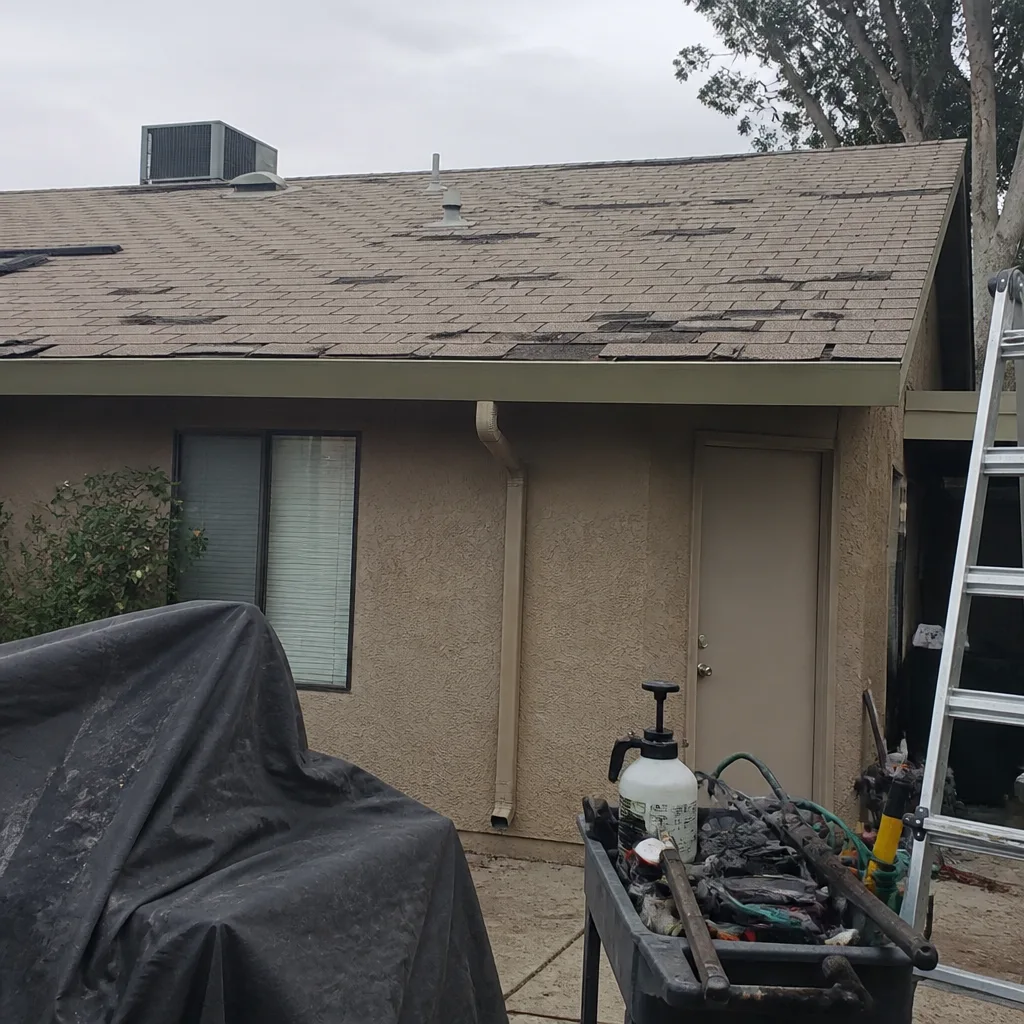
Late summer monsoon storms push fast, sudden wind gusts through the valley. When wind gets under a loose shingle or an edge, it can peel back entire runs of material, especially on older roofs with weakened adhesive strips or missing granules. The damage often shows as lifted or creased shingles, missing pieces, or exposed underlayment. This is the most common roof emergency in Henderson, and the visible damage can be small at first while the wind has quietly loosened more than you can see from the ground.
2. Flash-Flood Ponding on Flat Sections
Desert rain falls hard and fast, and flat or low-slope sections can pond water when drainage is blocked by debris. Standing water finds old seams and fasteners, and it can push moisture into the roof deck. If your home has a flat porch roof, a flat section over a garage, or a low-slope addition, that area is the most vulnerable part of the house during a heavy rain event.
3. Fallen Debris
Wind brings down palm fronds, branches, and any loose items. Debris can puncture shingles, crack tiles on more brittle systems, or block the valleys where water needs to drain. Impact damage is easy to miss until the next rain finds its way in.
4. Rare Freeze-Crack Events
Henderson’s winters are mild, but occasional overnight freezes do occur. When moisture gets into small cracks and then freezes, it expands and can widen existing damage in tile, flashing, and sealant. Freeze events are uncommon here, which is exactly why they catch homeowners off guard.
What ties these four together is that they hit hard and without warning. There’s no long storm season to prepare through on the coast, and no weeks of buildup. Your roof is dry and quiet right up until the moment it isn’t, which is why a pre-storm plan matters so much in Delmar Roof Repair country.
What to Document in the First 30 Minutes After Storm Damage
The first half hour after storm damage is the most valuable window you get for your insurance claim. What you photograph and how you handle the scene before an adjuster arrives can shape how easily the claim is processed. Here’s how to work through it.
- Photograph before you touch anything. Take wide shots of the roof from the ground, then closer shots of visible damage. Do not climb onto a wet or damaged roof. Ground-level photos of lifted shingles, missing sections, or fallen debris are enough to start.
- Capture timestamps. Most phone cameras record time and location automatically. Make sure that setting is on. A clear timeline helps your insurer connect the damage to the event that caused it.
- Note weather conditions. Write down the date, approximate time, and what the storm looked like: wind, heavy rain, or freeze. You don’t need to be precise, just consistent.
- Photograph interior water intrusion. Stains on ceilings, drips, or wet spots on walls are part of the claim. Photograph them along with anything beneath them, like furniture or flooring, that could be affected.
- Do not disturb potential evidence. Avoid pulling off damaged shingles or cleaning up debris before an adjuster has seen it. If you must move something for safety, photograph it first and note the reason.
- Keep receipts. If you buy a tarp or supplies for temporary protection, save the receipt. Temporary protective measures are usually documented as part of the claim.
A common mistake is throwing away the damaged material or making temporary repairs without documenting them first. The goal in the first 30 minutes isn’t repair, it’s record-keeping. Fix what’s safe to fix later, once the record is intact.
How to Tarp a Roof Without Voiding Your Insurance Claim
A well-secured tarp protects your home from further water damage. A poorly secured tarp can create a bigger problem, and improper tarping is a known reason insurers question or deny claims. The goal is to keep water out without causing new damage or obscuring what actually happened.
Here is the correct, general approach for a temporary tarp:
- Use waterproof material and weighted ballast. A UV-rated polyethylene tarp is the standard choice. Weight it with sandbags or purpose-made weighted bags, not loose bricks or rocks that can slide and damage the roof further.
- Overlap seams and extend past the edge. Run the tarp beyond the damaged area and let it overhang the edge so water runs off instead of pooling under it.
- Avoid nailing or drilling through the roof. Fasteners create new holes and can void a claim. If the tarp must be anchored, tie it to existing structure outside the roof surface where possible.
- Photograph the damage before you lay the tarp. A tarp can hide damage, and if the adjuster can’t see the condition the roof was in, the claim gets harder to resolve. Document first, tarp second.
- Don’t leave a tarp in place long-term. A tarp is temporary protection. It buys you time to schedule a repair. Leaving it up through the next storm season gradually pushes wear into the underlying structure.
If the damage is on a steep pitch, along the ridge, or over a large area, don’t attempt it. Falls are the real risk here. Call a professional, and let a trained crew secure the roof. We inspect before we recommend anything, which means the tarp placement is informed by what the damage actually is. Call (833) 519-6453. We answer 24/7. Fast dispatch from 7am to 7pm, Sunday through Friday.
Pre-Emergency Preparedness Checklist for Henderson Homeowners
Waiting until a storm hits to find a contractor is a losing strategy. In the hours after a major event, everyone in Henderson is calling at once, and the roofer you want is booked out. Prepare now, while there’s no pressure and no storm in the forecast.
Keep these on hand, checked and stored:
- A heavy-duty tarp sized for the largest damaged area your roof could realistically see. Store it indoors, not in the garage where it can be soaked and slow to access.
- Weighted bags or a way to ballast a tarp safely, matched to the tarp size.
- A trusted roofer’s contact saved in your phone before you need it. This alone saves stress later.
- Your insurance policy documents and claim number. A photo of the policy details, stored in your phone, means you don’t spend the first hour after damage digging through a filing cabinet.
- A grounded ladder and basic tools for anything that’s safe to handle at ground level. Never encourage a climb onto a wet or damaged roof.
- A camera-ready phone with location and timestamps enabled on the camera.
An even better step is a standalone roof inspection well before monsoon season. A professional inspection shows the weak points on your specific roof: worn seals, loose shingles, clogged drainage on flat sections, and flashing that’s failing. roof repair is easier, safer, and cheaper when the problem is found before a storm turns it into an emergency. That’s what repair-first actually means for us. We diagnose first, then a repair or replacement decision follows, not the other way around.
Telling a Legitimate Emergency Call From a Storm-Chaser
Storm-chasers show up after every big weather event in Henderson, and they use urgency pressure to close you fast. Legitimate roofers do the opposite: they slow down, inspect, and put a diagnosis before a quote. If you’re calling under time pressure, use this script to vet anyone you talk to.
Ask directly: “Can you give me a written inspection report before you quote a repair?” A real roofer says yes, and wants to inspect first. A storm-chaser wants to skip to a number and a cost. Next, ask: “Will you show me photos of the actual damage you found?” A legitimate roofer documents the damage, shares it, and explains the trade-offs. A surface-salesperson can’t show you what they haven’t looked at.
Red flags to watch for:
- High-pressure urgency. “Sign today or the price goes up tomorrow” is a sales tactic, not a repair plan. Real storm damage doesn’t demand a signature in the next hour.
- Quotes replacement before anyone inspects. A new roof is a big decision. Any roofer who quotes the full replacement before they’ve been up to see it is selling, not diagnosing.
- No local presence or references you can verify. Ask where they work and whether you can talk to a prior customer. If they can’t answer clearly, walk away.
- Cash-only or refusal to put anything in writing. The written estimate sets the price. Anything that skips it isn’t a roof repair discussion.
- Unrequested door-knocking immediately after a storm. Some legitimate roofers do go door to door after major events, but the ones who skip the inspection step are the ones to avoid.
We’ve seen how fast the frenzy starts after a monsoon wind event. Being ready to say “I’m getting an inspection first, and I want it in writing” protects you from anyone trying to rush a decision. And when we’re the ones you call, that’s exactly how it goes: inspection first, written line-item quote, no change orders.
Monsoon Season Roof Care: Getting Ahead of the Storm
Henderson’s monsoon season runs through late summer, and the best defense is a roof that’s ready before the first heavy storm arrives. A few checks now reduce the odds you’re dealing with an emergency later.
- Clear drainage on flat sections. Remove debris from drains and scuppers before the first storm, then check them again after each big event. Ponding is preventable when water has somewhere to go.
- Check the shingle edges. Look for lifted or curled shingles, especially along edges and ridges where wind can get underneath. Wind-uplift risk starts at the loose edges.
- Trim overhanging branches and palm fronds. Loose debris becomes a projectile in a microburst. Trim what’s close to the roof and clear what’s already on it.
- Inspect flashing and seals around vents and penetrations. These are the smallest, most overlooked spots where water gets in. Sealant dries and cracks over time in the desert sun.
- Photograph your roof before the season. Having a pre-storm baseline of your roof’s condition makes pre-existing damage versus new storm damage clear if you ever have to file a claim.
That baseline is quietly one of the most useful things you can do. If a claim ever gets contested, a before photo settles the question fast. We’d rather help you get your roof ready now than help you fight a claim later. An inspection is the natural starting point, not an upsell, and it’s the best way to see what your specific roof is up against.
How Henderson’s Climate Ages a Roof
Desert climates age roofs differently than the coastal or snowy environments national guides assume. Henderson’s intense summer sun and wide day-to-night temperature swings wear materials in ways that are easy to miss until they fail.
Ultraviolet exposure dries out and fades shingles, sealants, and any asphalt-based materials. Over time the sun makes shingles brittle, and brittle shingles crack rather than flex when the rare freeze event arrives. The wide temperature swing from day to night puts repeated stress on flashing, seams, and roofing cement. Materials expand in the heat of the day and contract at night, and that cycle works small cracks open over the years.
Then there’s wind. The dry, dust-laden wind of a desert storm finds the same edges every time. Where shingles are already brittle, the wind catches and peels. The materials matter here. Shingle systems from manufacturers like GAF, CertainTeed, and Tamko are built with the sun and wind in mind, but how long they hold up depends on how well they’re installed and how well they’re maintained. Because we work across the major shingle brands, we can match and repair nearly any existing system without forcing a brand switch. Your roof brand, our expertise.
If your roof is older, or you’re not sure what condition it’s in, a roof replacement evaluation tells you what you’re really dealing with. It’s better to know before a storm decides for you. Do you pull the permits? Yes, when a repair or replacement needs one, we handle the permit and inspections. Will the price change once work starts? No, the written estimate sets the final price. How long will the job take? It depends on the scope, and we’ll give you the timeline in writing before work begins.
Common Mistakes to Avoid
- Climbing onto the roof yourself after a storm. Wet, damaged, or steep roofs are a fall risk. Photograph from the ground and call a professional for anything above ground level.
- Tarping before you document. A tarp hides the damage the adjuster needs to see. Take photos first, then tarp second.
- Accepting a replacement quote before an inspection. A roofer who skips the inspection and jumps straight to “you need a whole new roof” hasn’t diagnosed anything. Repair when possible, replace when necessary, and never the other way around.
- Nailing a tarp through the roof. Fasteners create new holes and can jeopardize your claim. Weight the tarp, don’t nail it.
- Waiting until the storm is coming to find a contractor. After a big wind event, every good roofer is booked. Find yours before you need one.
- Skipping the pre-season inspection. Especially if your roof is older, a spring checkup catches brittle shingles and failing seals before monsoon winds find them.
- Assuming desert means low risk. Benign weather most of the year is exactly what makes a sudden monsoon so destructive. Prepare for the concentrated risk, not the average.
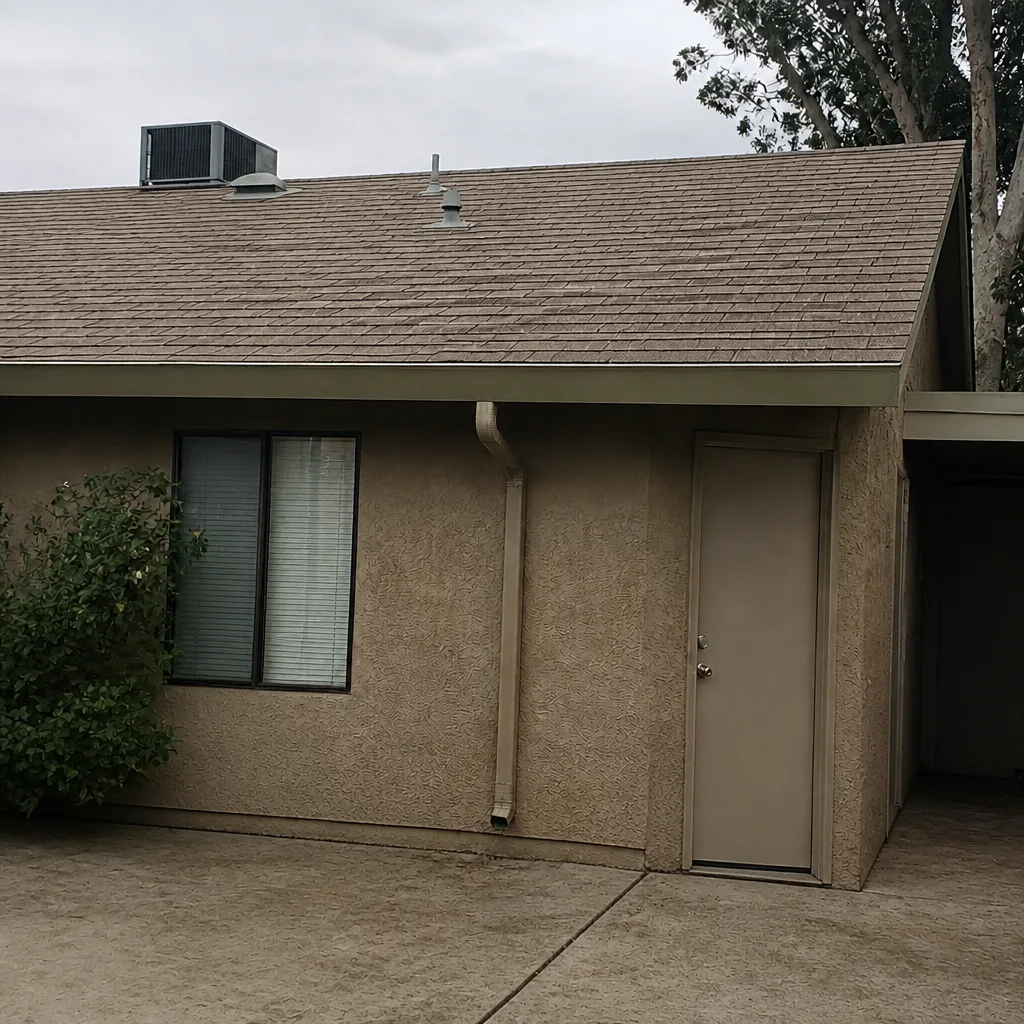
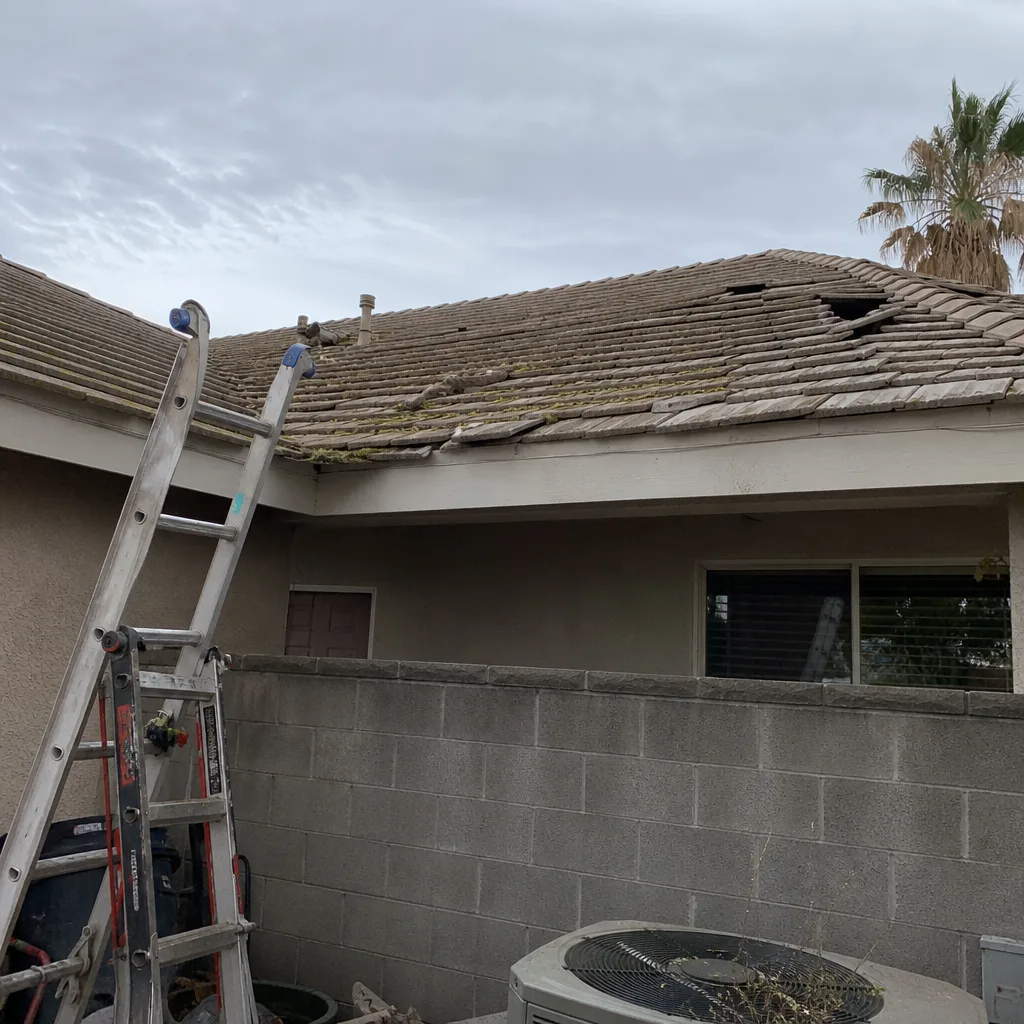
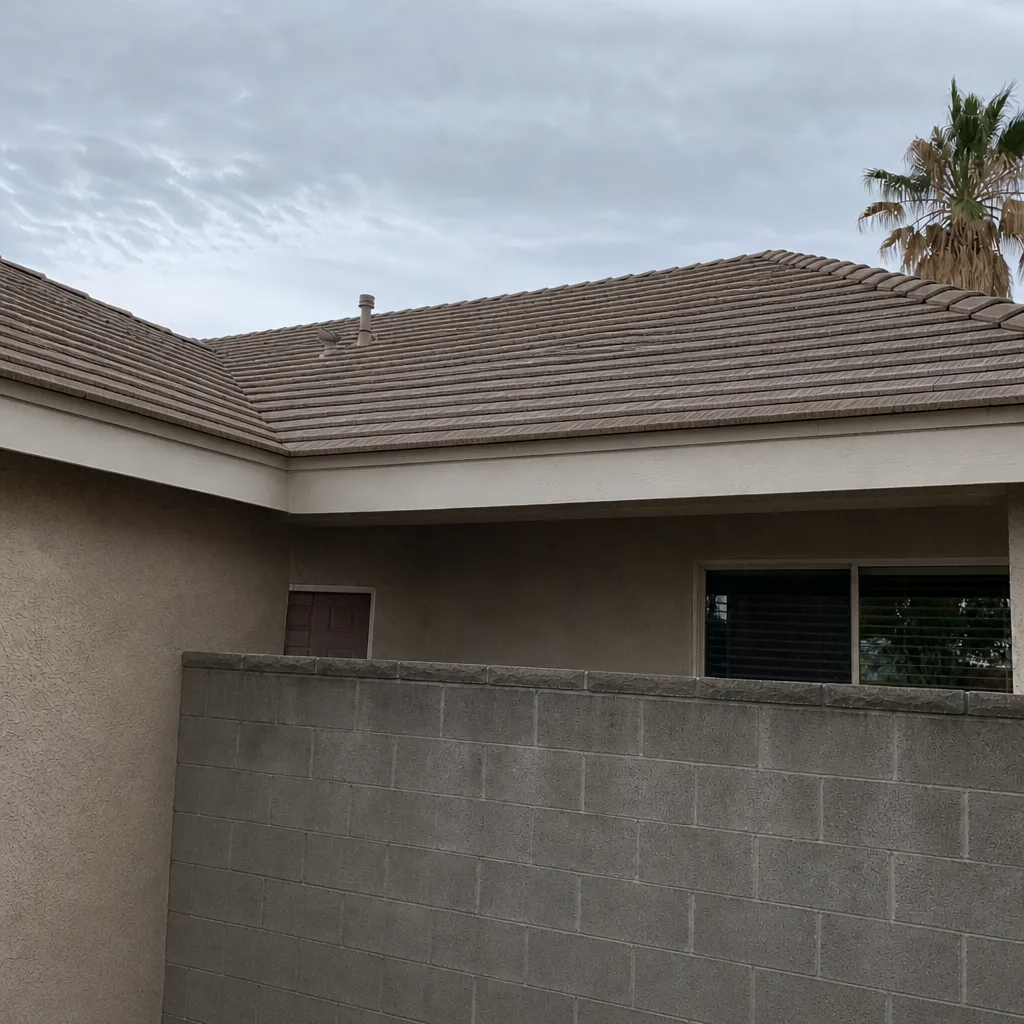
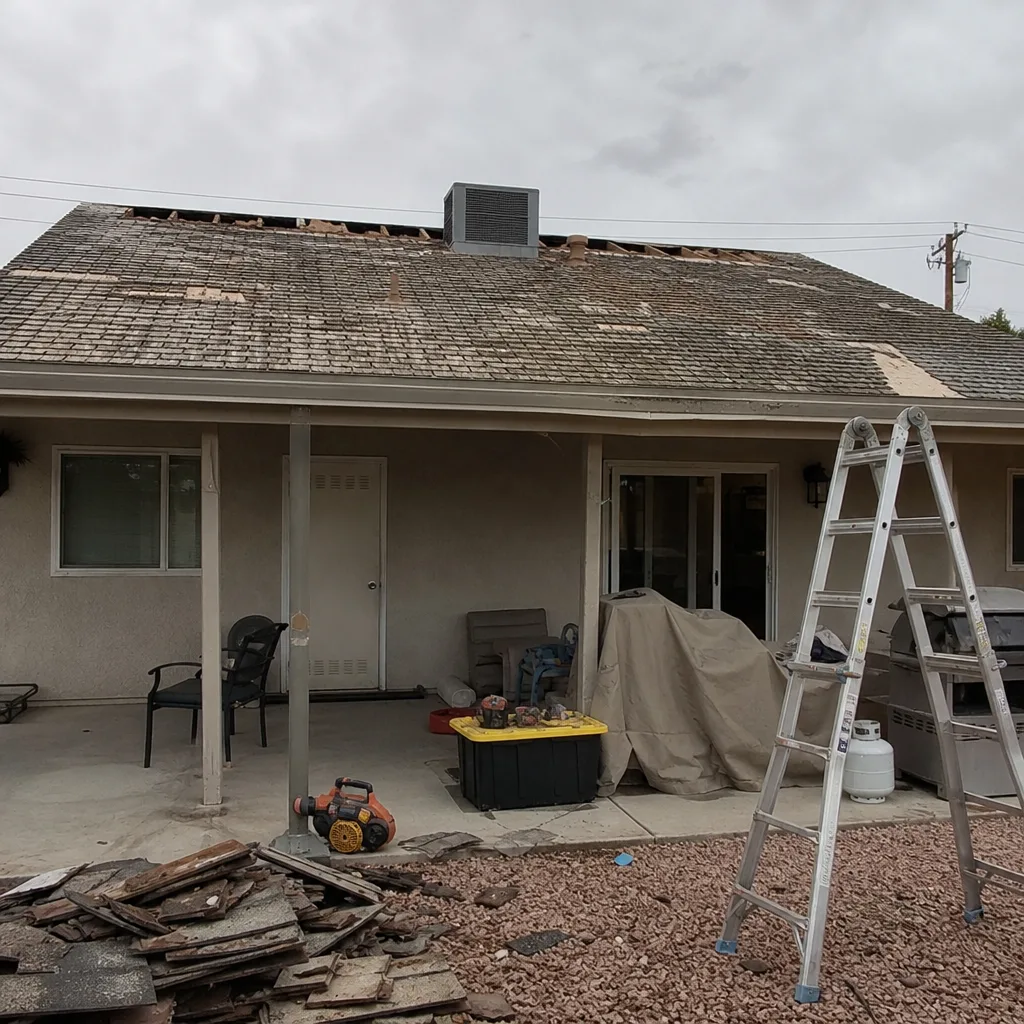
See the difference
 Before
 After
 Before
 After
 Before
 After
When to Call a Professional
Some damage is a one-hour DIY tarp job. Most roof emergencies on a Henderson home aren’t. Call a professional immediately if any of these are true:
- Water is actively coming into the house and the source isn’t obvious.
- Shingles are lifted, missing, or peeled back across more than a small area.
- A flat section is ponding and not draining after a storm.
- Debris struck the roof and you’re not sure of the extent of the damage.
- Your roof is older and the storm has exposed what look like aging materials.
Delmar Roof Repair offers free estimates in Henderson. We’re licensed and insured, we inspect before we recommend, and we give written line-item quotes with no change orders. Call (833) 519-6453. We answer 24/7. Fast dispatch from 7am to 7pm, Sunday through Friday.
Frequently Asked Questions
Monsoon wind uplift is the most common roofing emergency in Henderson. Fast, sudden wind gusts can peel back shingles and expose underlayment in seconds, and the damage often looks smaller from the ground than it really is. If you’ve just had a wind event, get an inspection before assuming the roof is fine. Call (833) 519-6453 for an exact quote. Estimates are free.
You can tarp your own roof after storm damage if the pitch is low, you can reach it safely, and you’re using a weighted tarp without nails or screws. Otherwise, call a professional. The biggest risk is a fall on a wet or damaged roof. Photograph the damage first, then tarp. Call (833) 519-6453 for an exact quote. Estimates are free.
No. We price per job by the written estimate, and the estimate is free. What can happen after a big storm is that demand spikes and availability tightens, which is exactly why a pre-season inspection and a contractor you already trust make a real difference. Call (833) 519-6453 for an exact quote. Estimates are free.
Yes, when the repair or replacement requires a permit, we pull it and make sure the work passes inspection. Permit rules vary by scope, so ask your city’s building department when you’re unsure. Call (833) 519-6453 for an exact quote. Estimates are free.
Ask two questions: “Can you give me a written inspection report before you quote?” and “Can you show me photos of the actual damage?” A legitimate roofer says yes to both and wants to inspect first. A storm-chaser quotes replacement before looking and pushes urgency. Call (833) 519-6453 for an exact quote. Estimates are free.
It depends on the scope, which is why a written estimate comes first. A straightforward shingle repair on a small area is a short job, while larger wind damage or a repair that needs materials matched to your existing shingle brand takes longer. We’ll give you the timeline in writing before work begins. Call (833) 519-6453 for an exact quote. Estimates are free.
The Bottom Line
Henderson’s gentle climate makes it easy to forget the roof is one big storm away from needing attention. The real risks here are monsoon wind, ponding on flat sections, windblown debris, and rare freeze events, not the blizzards that fill national guides. Prepare now: a tarp and weighted bags ready, a roofer saved in your phone, and your insurance details on hand. In the first 30 minutes after damage, photograph everything and disturb nothing. Vet anyone you call with two direct questions. And start with an inspection, because a diagnosis before a recommendation is what protects your money and your claim.
Written by the team at Delmar Roof Repair.