
Last updated November 16, 2026
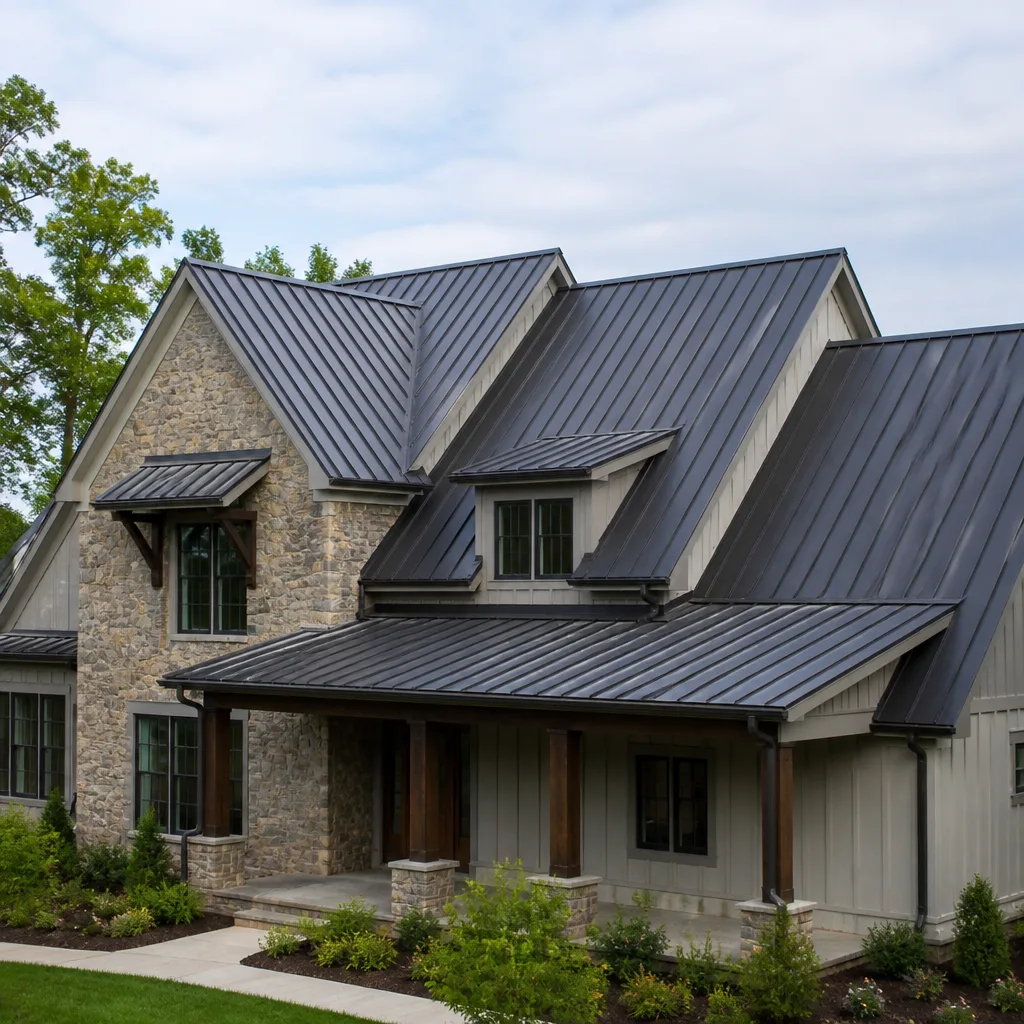 Metal roofing
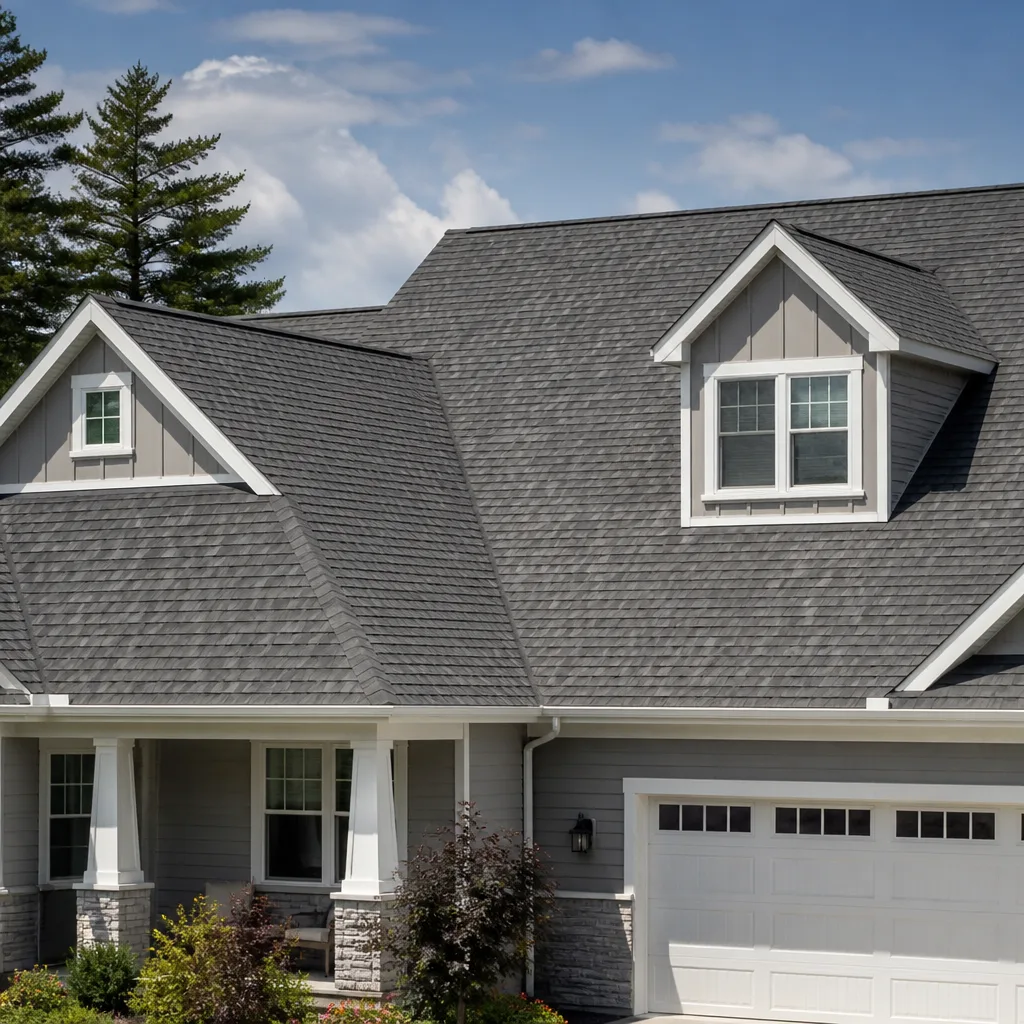 Architectural shingles
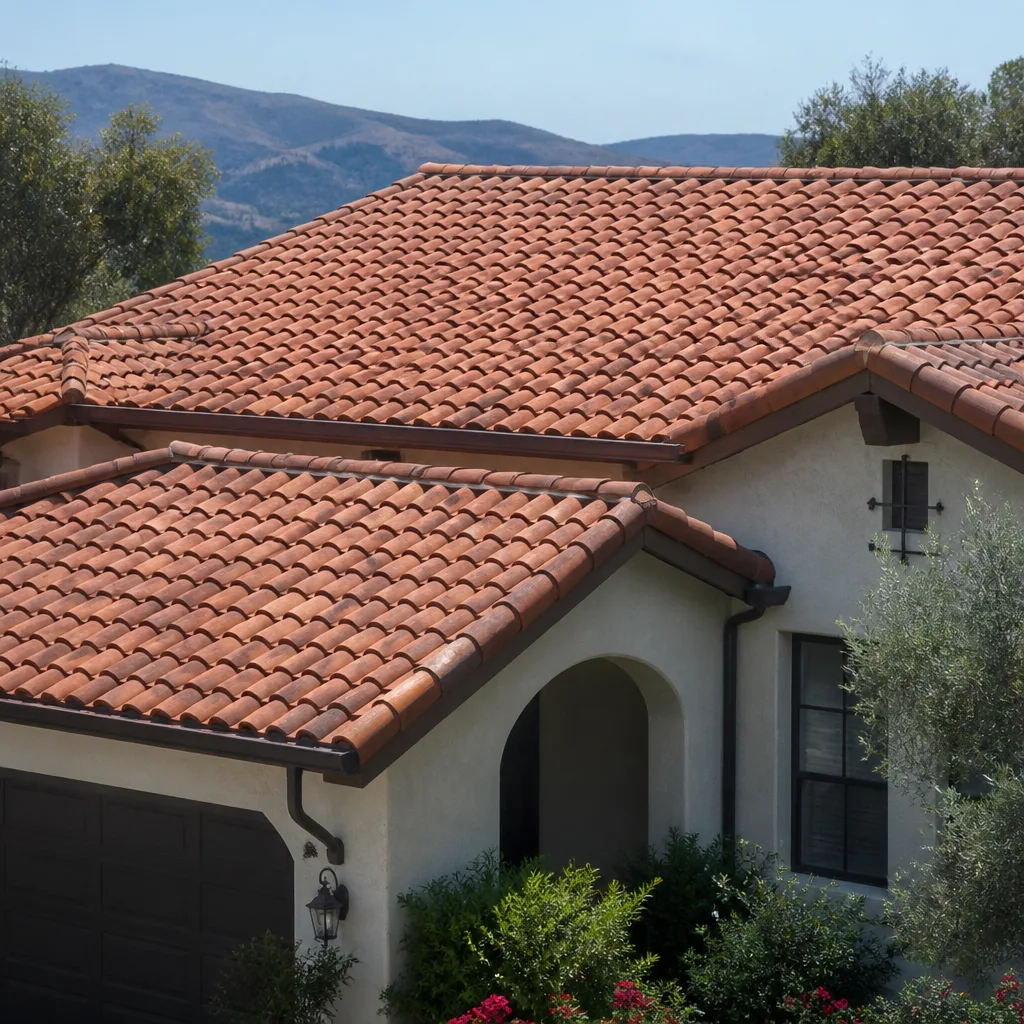 Tile roofing
 GAF
 Owens Corning
 Flat & low-slope
Free roof inspection with deck photos before we talk money - GAF and Owens Corning certified installation
Roofing Permits, Codes & Inspections in Henderson, NV: What You Need to Know
Most homeowners think of a building permit as paperwork – something the contractor handles so the inspector doesn’t show up and cause trouble. Here’s the counterintuitive part: that permit is your legal proof that the roof over your head was installed to code. When you sell a Henderson home or file an insurance claim after a storm, the permit record is often the first thing anyone checks. A re-roof done without one is a shortcut that surfaces months or years later, at the worst possible moment. This guide explains exactly when Henderson requires a roofing permit, what the inspection actually covers, and how to confirm one was pulled on your behalf. We’ll keep it in plain language and skip the runaround.
Quick Answer
In Henderson, most full roof replacements and re-roofs require a building permit from the City of Henderson’s Building and Safety Division, while routine repairs to an existing roof generally do not. The permit triggers a required inspection that confirms the work meets applicable building codes. Skipping the permit doesn’t make the work invisible – it just means the record doesn’t exist when a buyer, appraiser, or insurer asks for it. Pulling the permit is the step that turns a roofing job into a documented, insurable asset.
Styles & brands we work with
- Architectural shingles
- Metal roofing
- Tile roofing
- GAF
- Owens Corning
- Flat & low-slope
Table of Contents
- When Does a Roofing Project Need a Permit in Henderson?
- Repair, Re-Roof, or Overlay: Which One Triggers a Permit?
- What Henderson’s Building Inspection Actually Checks
- What Happens If Your Roof Fails Inspection
- How Unpermitted Roofing Surfaces at Sale or Claim Time
- Who Pulls the Permit – You or Your Contractor?
- How to Verify a Permit Was Actually Pulled
- Why This Matters for Your Roof, Not Just Paperwork
When Does a Roofing Project Need a Permit in Henderson?
The short rule: replacement requires a permit, repairs generally don’t. When you remove and replace enough of the roof covering – a full tear-off, a reroof, or sometimes a substantial overlay – that’s a permit-level project. And Henderson sits inside Clark County, whose building codes are adopted and enforced locally by the City of Henderson. When you hire a licensed contractor, that contractor is expected to pull the permit before the first shingle comes off. Getting that sequence right is one of the clearest signs you hired a professional.
A permit isn’t a tax. It’s not a formality. It’s the mechanism that ties a job to a code inspection. Without it, the work may be perfectly fine, but there’s no independent record it was done to code. For a homeowner planning to stay put, that may not feel urgent. For a homeowner planning to sell, refinance, or file a claim, the permit record is one of the few documents that separates a documented roof from a mystery roof.
Local climate shapes what’s actually being inspected. Henderson’s desert conditions – intense UV, summer heat, and the occasional monsoon downpour – put real stress on roofing materials. In our experience, the details that fail under that stress are the ones a code inspection is designed to catch: proper underlayment, correct flashing at penetrations and walls, secure fastening. A roof built to spec handles a Henderson summer far better than one built by guesswork.
- Full tear-off and replacement: almost always requires a permit.
- Re-roofing over an existing layer: typically requires a permit – and frequently a code review.
- Minor shingle repairs or spot patching: generally exempt.
- Flashing repair on an existing penetration: usually exempt, but confirm with the city if the repair grows in scope.
If you’re unsure which category your project falls into, that’s a question worth asking before work begins. Our team at Delmar Roof Repair walks through the diagnostics first so we can tell you whether you’re looking at a repair or a replacement – which in turn tells you whether a permit is in play.
Repair, Re-Roof, or Overlay: Which One Triggers a Permit?
This is where most Henderson homeowners get confused, and where a bit of clarity saves real money. The permit question comes down to scope. A repair fixes damage on an existing, code-compliant roof. A replacement removes the existing covering and installs a new one. An overlay adds a new layer on top without tearing off. In Henderson, repairs are generally the only category that avoids a permit. Replacements and overlays almost always require one.
Why does an overlay pull a permit? Because it changes the structural and thermal load on the roof deck, and because many local codes limit the number of layers a roof can carry. The inspection process is where that gets checked. A homeowner who asks a contractor for an overlay without a permit is essentially asking to skip the layer count – which can create problems down the road when the next roofer opens the deck.
- Step 1 – Diagnose the scope: Have someone determine whether the damage is localized (repair), widespread (replacement), or a candidate for overlay.
- Step 2 – Match the category to the permit rule: Repair = typically no permit. Replacement or overlay = typically permit required.
- Step 3 – Confirm with the City of Henderson: Local requirements can shift with code adoptions. A quick call to Building and Safety settles it.
- Step 4 – Pull the permit before work: Never after. A permit pulled mid-job or after the fact is a red flag.
- Step 5 – Schedule the inspection: Your contractor should coordinate this; you should confirm it happened.
When we quote a roof repair for a Henderson home, we tell the homeowner which category the job lands in and whether a permit is required. If a repair can honestly stay a repair, it stays a repair. That’s how a roof stays insurable without triggering a full replacement cycle.
What Henderson’s Building Inspection Actually Checks
A roofing inspection isn’t a quick look-over. When a Henderson building inspector signs off, they’re confirming the roof was installed to code in the areas most likely to cause problems down the road. Inspectors typically check underlayment type and installation, flashing around chimneys, vents, and wall intersections, fastening patterns, deck condition, and – on full replacements – the layer count. They’re not scoring your aesthetic choices. They’re confirming the roof will perform.
Henderson’s desert climate adds a layer of stakes. The heat cycling here accelerates wear on underlayment and sealants, and the monsoon season tests every flashing point on the roof at once. An inspection that catches improper flashing before it rains is doing you a serious favor. In our experience, the roofing failures we’re called to repair in Henderson often trace back to flashing details that would have been caught by an inspection – if there had been one.
- Deck condition: Is the substrate sound, or are there soft spots or rot that would compromise the new roof?
- Underlayment: Is the correct material installed, with proper overlap?
- Flashing: Are the wall, chimney, valley, and penetration flashings correct?
- Fastening: Is the nailing pattern per specification for the shingle brand and wind zone?
- Layer count: Does the assembly comply with the local layer limit?
- Ventilation: Are intake and exhaust balanced enough to prevent heat and moisture buildup?
A failed inspection is far better than a hidden one. A hidden problem festers; a failed inspection gets fixed on the spot, while the contractor is still on your roof and before the work is signed off. That’s the entire logic of the inspection requirement.
What Happens If Your Roof Fails Inspection
First, the good news: a failed inspection isn’t a disaster. It means the inspector found something that didn’t match the code or the submitted plans, and the contractor needs to correct it before the job is signed off. Most corrections are straightforward – a flashing detail, an underlayment overlap, a fastening pattern, a missing ice-and-water barrier in a specific zone. The contractor re-does that portion and the inspector returns.
The bad news comes from homeowners who never had an inspection in the first place. If the roof was installed without a permit, no inspector ever looked. The failure – whatever it was – sits under the shingles and waits. In a Henderson summer, that wait is short. UV exposure and heat cycles accelerate hidden weaknesses, and the first sign of trouble is often a leak.
Here’s how the sequence typically runs after a failed inspection:
- The contractor receives the inspector’s correction list.
- The contractor re-does the affected portion and photographs the correction.
- A re-inspection is scheduled and either passes or adds another correction.
- Once it passes, the permit is finalized, and the job is documented as complete and to-code.
We see this as the value of an inspection-first approach. When our team inspects a roof before recommending any work, we’re notifying the homeowner what’s actually wrong before a scope gets set. If the roof is later replaced under permit, that diagnostic work feeds straight into the inspection process, which reduces the chance of a surprise on the correction list.
How Unpermitted Roofing Surfaces at Sale or Claim Time
This is where unpermitted roofing stops being a technicality and becomes an expensive problem. When a Henderson home goes under contract, buyers and their agents pull permit records. They’re not being nosy – they’re protecting the purchase. If the roof is documented as replaced but there’s no permit on file, the question that follows is whether the roof was actually installed to code. And that question can stall a sale, force a price concession, or scuttle a deal outright.
Insurance claims run into the same wall. After storm damage or a leak, insurers want to see documentation of how the roof was constructed. A permit and inspection record is the cleanest version of that story. Without one, a claim adjuster may question whether the damage is from a defect versus an event, and coverage decisions can get more complicated. The record doesn’t guarantee coverage, but the absence of a record can complicate it.
- Buyer inspections: A permit search is a standard part of residential due diligence in Henderson.
- Appraisers: Unpermitted improvements can affect valuation if they can’t be verified as code-compliant.
- Lender requirements: Refinances often carry documentation expectations for major improvements.
- Remediation cost: Fixing an unpermitted roof usually means an inspection, potential corrections, and in some cases a full re-permit – which is more disruptive than doing it right the first time.
- Disclosure obligations: Sellers in Nevada are expected to disclose known unpermitted work. That’s a conversation most homeowners would rather not have.
The pattern we see: an owner who saved a small amount by skipping a permit, then discovers at sale that the cost of remediation is much larger than the original permit would have been. That’s not a scare tactic. It’s the ordinary math of deferred documentation.
Who Pulls the Permit – You or Your Contractor?
Nevada homeowners can typically pull their own permit for work on their own residence. That’s the legal answer. The practical answer is more nuanced. Many lenders and insurers require a licensed contractor to pull the permit for financed work, and doing it as the owner can create wrinkles in an insurance claim later. The default expectation in Henderson is that the licensed contractor pulls the permit on the homeowner’s behalf.
There’s a good reason for that default. When the contractor pulls the permit, they’re legally and professionally on the hook for the inspection. Their license is tied to the job. They have skin in the game. When the homeowner pulls the permit, the accountability structure is different, and some inspectors view the arrangement with more scrutiny. If a mortgage or insurance product is paying for any portion of the work, contractor-pulled permits are very often the requirement.
Here’s what to look for in the permit arrangement:
- Permit is pulled before work begins. Never after the shingles are already on.
- Permit names the licensed contractor, not a handyman or an unlicensed party.
- Inspection is coordinated by the contractor, and the homeowner receives confirmation it happened.
- Final inspection passes and is documented before the job is considered complete.
When you’re considering a roof replacement in Henderson, it’s fair to ask the contractor directly: who pulls the permit, and how will I receive confirmation that the inspection passed? Any serious contractor will have a clear answer ready.
How to Verify a Permit Was Actually Pulled
Contractors sometimes say they’ll handle the permit and then don’t. This happens more than most homeowners realize, and it’s one of the most important habits to build: verify. The good news is verification is easy and free. The City of Henderson’s Building and Safety Division maintains permit records and inspection histories, and a homeowner can request a check by address. A quick call or an online lookup is all it takes.
You don’t need contractor cooperation to verify. You need an address and a few minutes. That independence is exactly why the check matters – the whole point is confirming the work was documented by the city, not just promised by the contractor.
- Get the permit number from your contractor, ideally in writing before the job starts.
- Contact the City of Henderson Building and Safety Division with your address and the permit number.
- Confirm the permit status: active, pending, or finaled.
- Ask when the inspection is scheduled. If the inspection isn’t scheduled yet, the job isn’t complete.
- Keep a copy of the final inspection record with the other home documents. You’ll want it when you sell or file a claim.
When we walk homeowners through a Henderson roofing project, the permit verification step is part of the handoff, not an afterthought. The homeowner should leave the project with a clear paper trail: permit pulled, inspection passed, final record on hand. That’s the deliverable that follows the roof for as long as it’s on the house.
Why This Matters for Your Roof, Not Just Paperwork
A permit is not a roof. But it’s the reason a roof gets built right. The inspection requirement forces the contractor through the code-required checkpoints, which in turn makes the roof more likely to survive a Henderson summer and a monsoon without complaint. Roofing materials – whether you’re dealing with a Tamko architectural shingle, a GAF system, or a CertainTeed product – perform based on how correctly they’re installed. That correctness is what the inspection is there to verify.
There’s also a materials angle that homeowners overlook. When a permit is pulled and an inspection runs, the code requirements for the specific assembly are documented. That matters if a shingle issue later needs to be matched under warranty. A permit record can help a homeowner establish the original scope of work, which supports a claim more cleanly than a verbal account of what was installed.
Delmar works with all seven of the major shingle brands – GAF, CertainTeed, Owens Corning, IKO, Atlas, Tamko, and Boral – precisely because brand-agnostic flexibility serves the homeowner better than brand loyalty. When a repair or replacement is on the table, we can match what’s there, or upgrade with options, without forcing a supplier preference. The permit and inspection sit at the end of that chain: they’re the confirmation that whatever we installed is what the code requires.
If you’re considering a repair and wondering whether it stays a repair, a standalone inspection from our team is an honest starting point. We inspect before we recommend, because the honest answer to “do I need a permit” starts with “what does your roof actually need.”
Common Mistakes to Avoid
- Assuming all repairs need permits. Many small repairs in Henderson don’t, which means homeowners sometimes pay for unnecessary permits. Confirm the scope with the city before you assume.
- Assuming no replacement needs a permit. This is the more common and more expensive error. Full replacements and overlays almost always require one.
- Letting the contractor start before the permit is pulled. A permit pulled mid-job is a warning sign. The sequence matters – permit first, then work.
- Not verifying. A contractor saying “I’ll handle the permit” and actually handling it are two different things. Verify by address with Building and Safety.
- Losing the final inspection record. Keep it with your home documents. It’s the single cleanest piece of evidence when you sell or file a claim.
- Doing an overlay to save money without checking layer count. Henderson’s code limits how many layers a roof can carry. An overlay that pushes past that limit creates a future problem.
- Pulling the permit yourself to save a step. Nevada homeowners can, but if the work is lender-financed or insurer-covered, the requirement is usually much stricter. Ask first.
See the difference
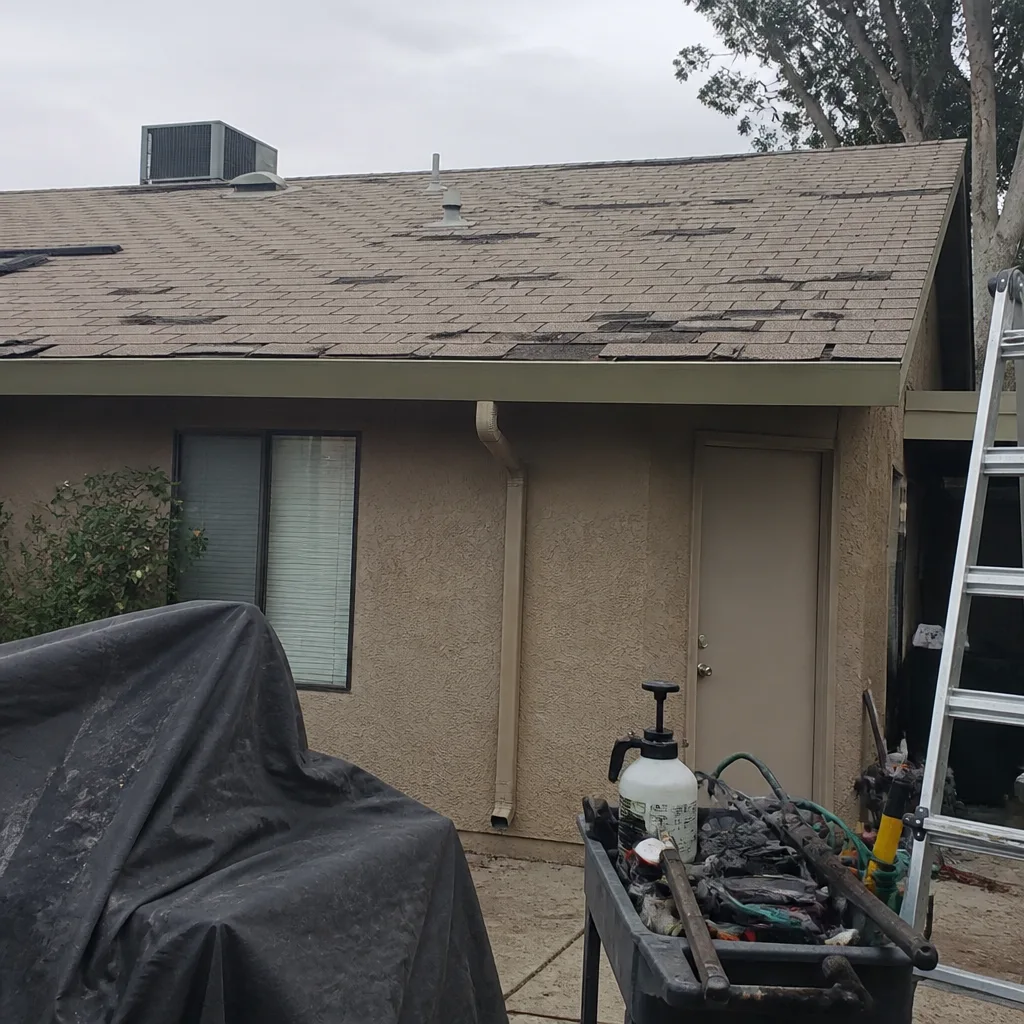 Before
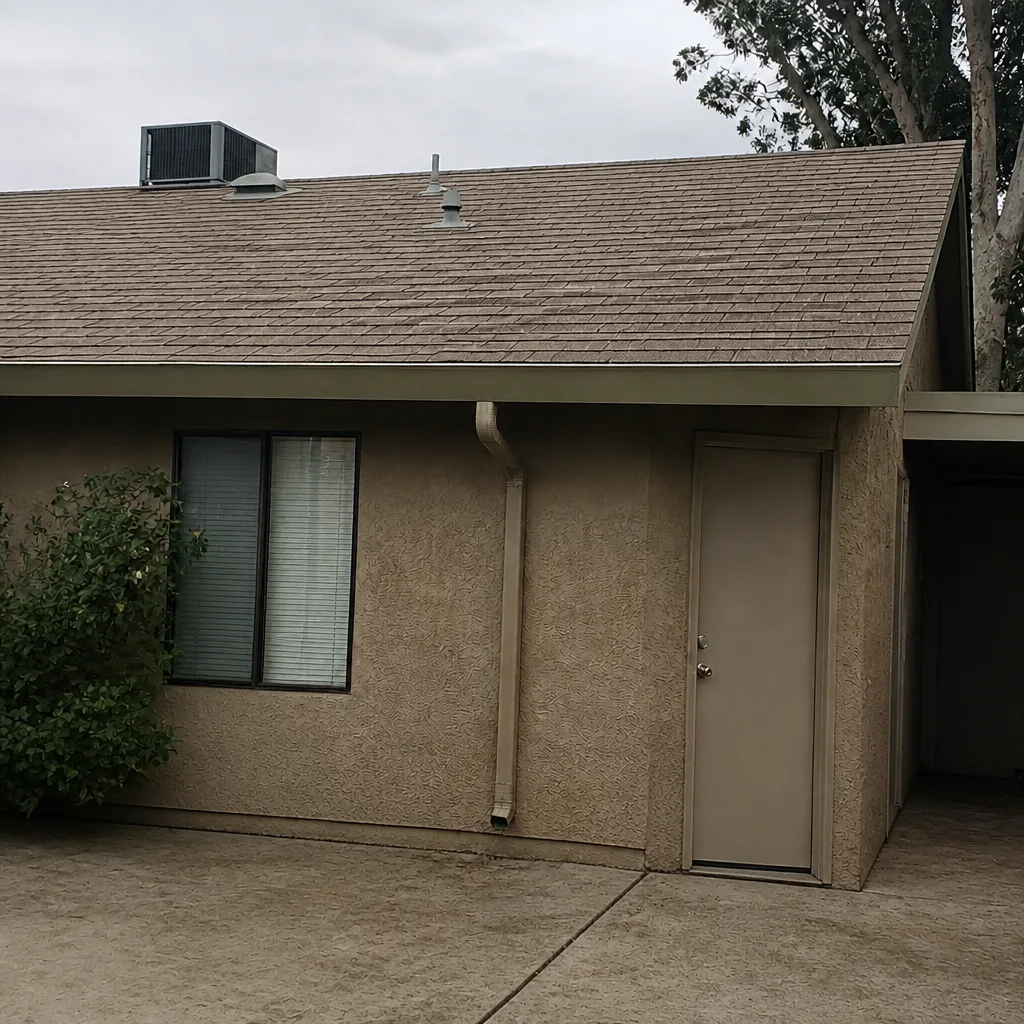 After
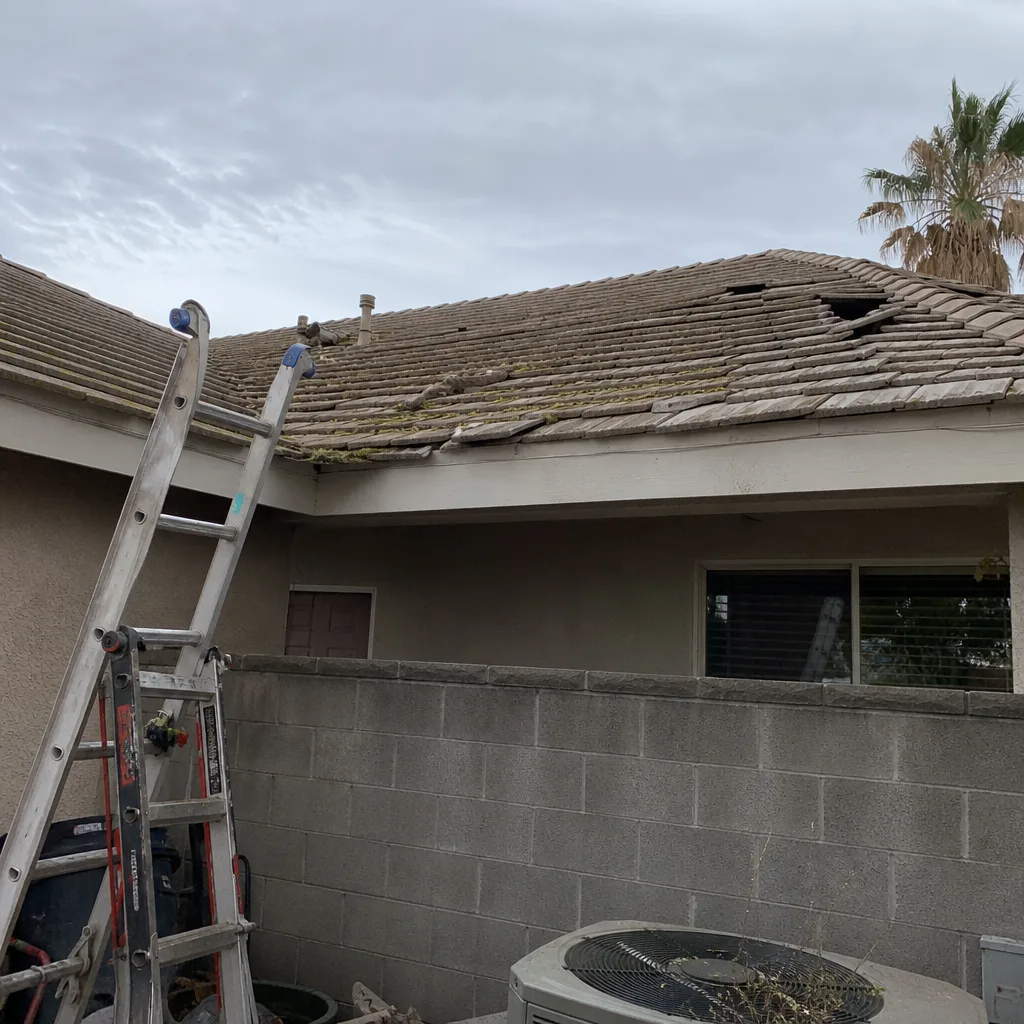 Before
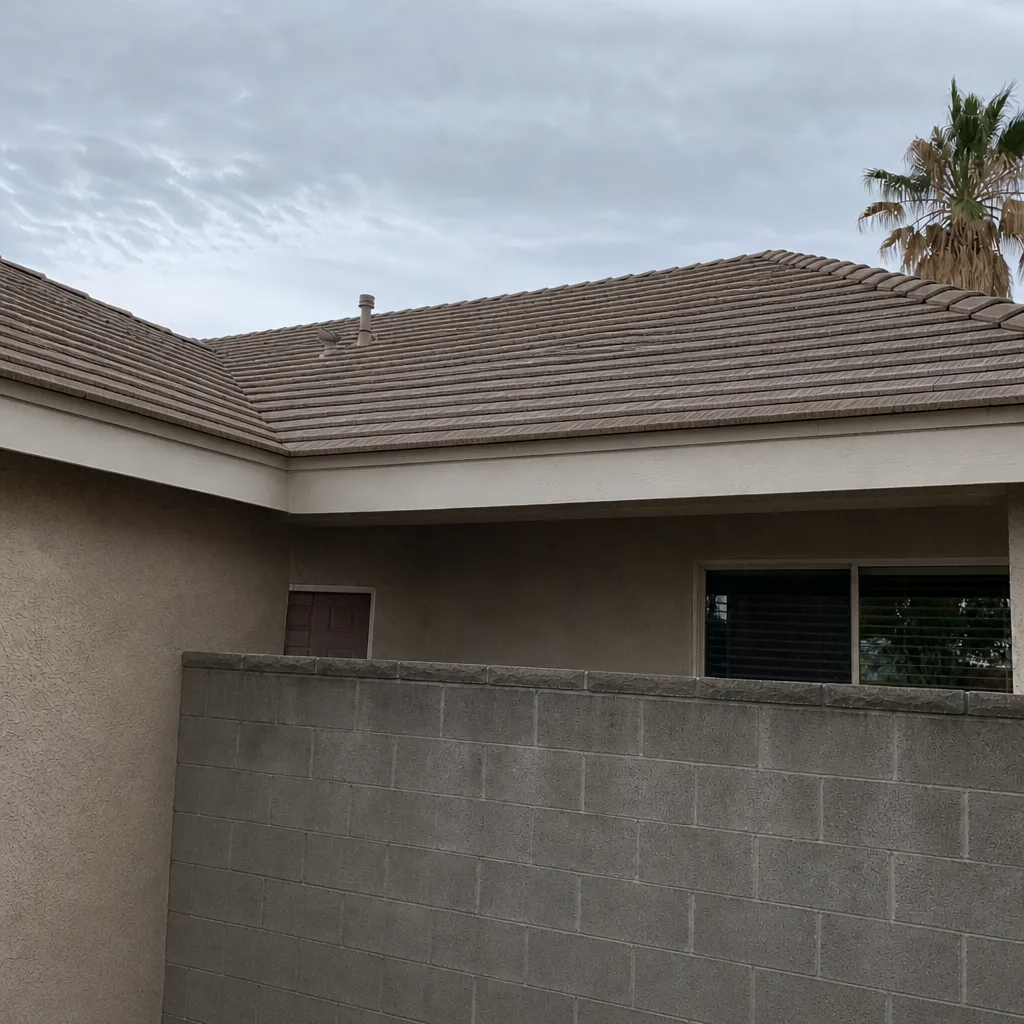 After
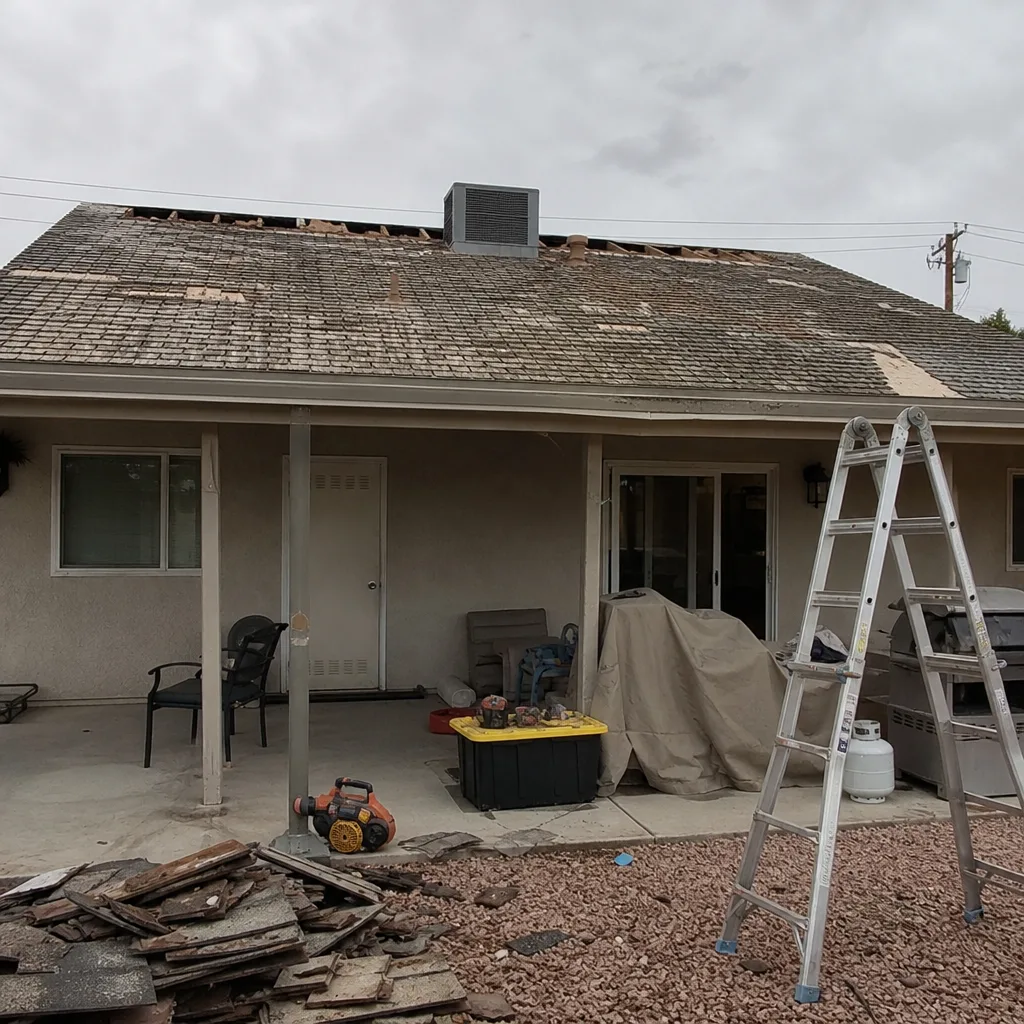 Before
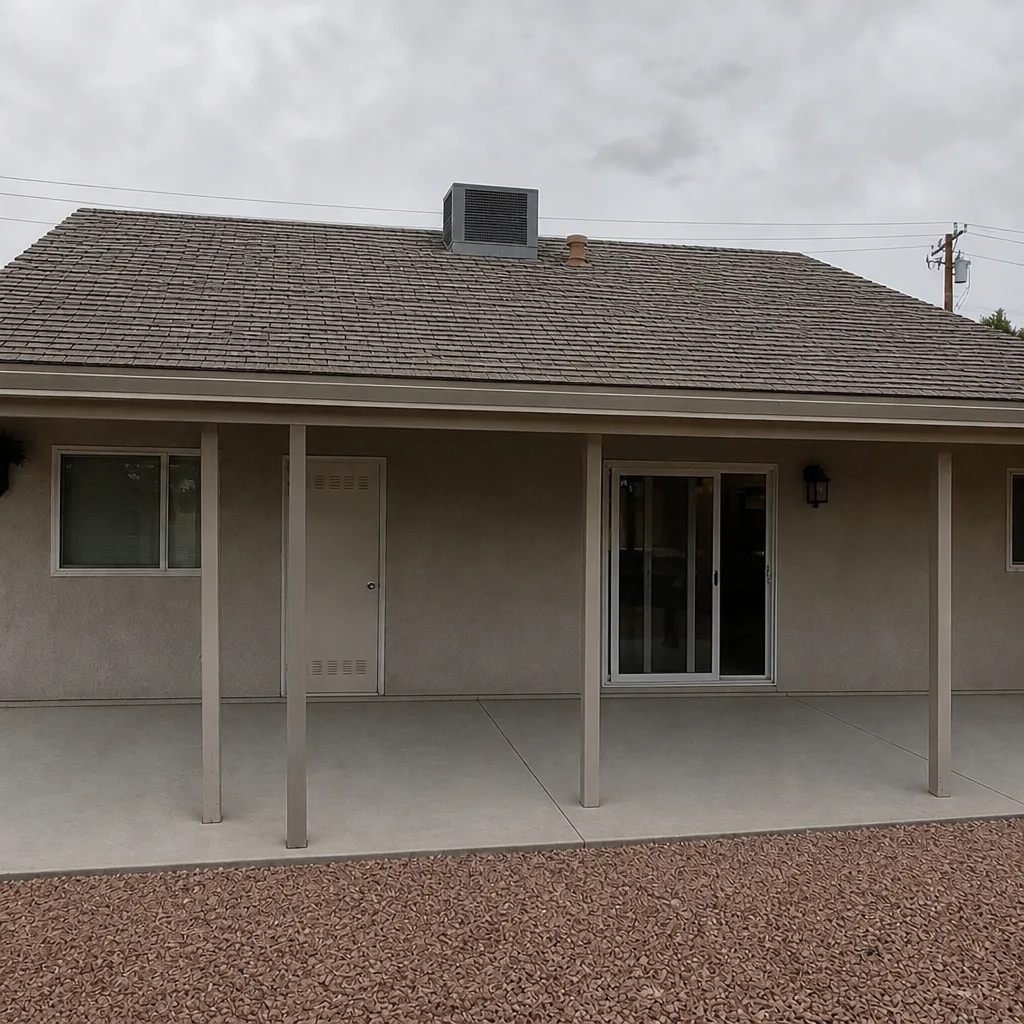 After
When to Call a Professional
You need a roofer involved if any of these sound familiar: your ceiling has started to stain or leak, your shingles are visibly lifting or missing after a monsoon, your roof is old enough that you’re weighing replacement against repair, or you’re planning to sell a Henderson home and want documentation straight before the buyer’s agent asks. You also need one if you’re not sure whether the work on your roof right now is permit-level. That question has a clear answer, and it’s better to get it before the job than after.
Delmar Roof Repair offers free estimates in Henderson. Call (833) 519-6453. We answer 24/7. Fast dispatch from 7am to 7pm, Sunday through Friday. Our technicians have up to 10 years of experience, and we work across the full spectrum of major shingle brands so the recommendation follows the roof, not a supplier. We inspect before we recommend, and we walk you through the permit question before any scope is set.
Frequently Asked Questions
In most cases, yes. A full roof replacement or re-roof generally requires a building permit from the City of Henderson’s Building and Safety Division, while routine repairs to an existing roof typically don’t. If you’re unsure which category your project falls into, confirm with Building and Safety before work begins. Call (833) 519-6453 for a free estimate and we’ll help you identify the scope.
Permit fees vary based on the scope of work, the valuation of the project, and current fee schedules. In our experience, permit cost is a small part of the overall roofing budget – the far more expensive scenario is finding out at sale or claim time that the work was never permitted. Call (833) 519-6453 for an exact quote on the work itself, including permit coordination; estimates are free.
No. We set the price per job with a written estimate before any work begins, and that estimate is what you pay. If a roofing inspection reveals damage that wasn’t visible in the initial assessment, we discuss the change with you before proceeding rather than adding it without your approval. Call (833) 519-6453 to schedule your free estimate.
Yes, in a standard replacement or re-roof, we pull the permit as part of the job. The permit names the licensed contractor, and we coordinate the inspection with the City of Henderson. You’ll receive confirmation when the final inspection passes. Call (833) 519-6453 to talk through the permit scope for your specific roof.
A failed inspection identifies a specific issue – flashing, underlayment, fastening, or another code-required detail – and the contractor corrects it before the job is signed off. Most corrections are straightforward and the inspector returns for a re-check. The bigger risk is never having an inspection at all, which is what happens on an unpermitted roof. Call (833) 519-6453 if you want to know whether your current roof has a permit record.
Contact the City of Henderson’s Building and Safety Division with your address and ask for the permit history. It’s a free check and doesn’t require contractor cooperation. If there’s no permit record for a completed re-roof, that’s worth discussing with your contractor and, if you’re selling, your real estate agent. Call (833) 519-6453 if you’d like a professional walk-through of what to look for.
The Bottom Line
A roofing permit isn’t paperwork – it’s the legal record that your Henderson roof was installed to code. Replacement and overlay almost always require one; routine repairs usually don’t. The inspection that follows the permit is where code compliance gets verified, and where hidden problems surface before they become leaks. If you’re buying, selling, or claiming insurance on a Henderson home, that record is the difference between a documented roof and a question mark. We inspect before we recommend, and we help you understand exactly what a permit covers on your specific job. Call (833) 519-6453 for a free estimate.
Written by the team at Delmar Roof Repair.